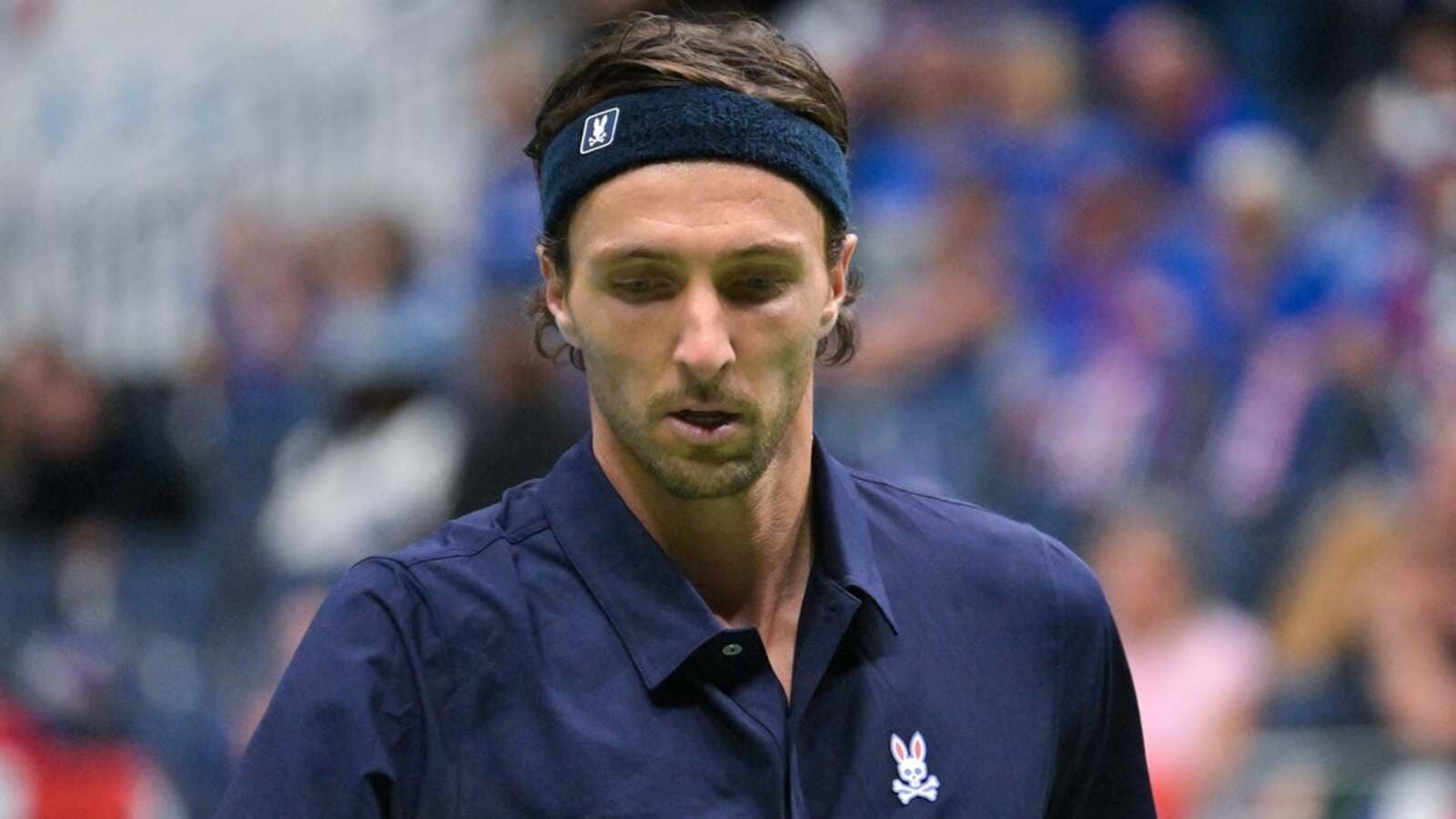
The tennis world got another jolt this week - and this time Arthur Rinderknech is in the crosshairs. The International Tennis Integrity Agency (ITIA) has charged the 31-year-old Frenchman with refusing to cooperate with doping control officers during an unannounced visit back in June. Rinderknech is pushing back hard. Here's what we actually know, what he's saying, and where this goes next. If you're trying to untangle Arthur Rinderknech: what is really going on and what happens next in tennis, you've come to the right place.
The Charge and the Denial: Breaking Down What Happened
What the ITIA alleges
According to reports confirmed on November 25, the ITIA has formally charged Rinderknech with refusing to cooperate with doping control officers during an unannounced out-of-competition visit in June 2026. This isn't a positive test. It's a refusal-to-cooperate charge - and under anti-doping rules, that can carry penalties just as severe as an actual violation. Missed tests and refusals sit in the same dangerous territory as whereabouts failures, and the tennis authorities treat them seriously.
Let's be crystal clear about the distinction, because it's the whole ballgame. Nobody is accusing Rinderknech of testing positive for a banned substance. The charge is about the process - what happened when the doorbell rang in June. In anti-doping law, blowing off the collectors is treated with the same grim seriousness as a dirty sample.
Rinderknech's response
The Frenchman didn't stay quiet. In statements reported by outlets including Yardbarker and Sportsnet.ca, Rinderknech insisted he has never taken a banned substance and flatly denied refusing the test. That denial matters. It frames this as a procedural dispute rather than a doping scandal - at least in his telling. The gap between "refused a test" and "wasn't able to complete one for reasons outside my control" is where this case will likely live or die.
> 📊 June 2026 - The month of the unannounced ITIA visit at the center of Rinderknech's refusal-to-cooperate charge.
Why this is a big deal for the tour
Rinderknech isn't a Grand Slam champion, but he's a solid top-100 fixture and a familiar face on the ATP circuit. An ITIA charge - especially one involving cooperation with doping control - puts a cloud over a player's career, sponsorships, and ranking trajectory while the process plays out. For a sport still navigating high-profile integrity cases, every one of these headlines lands with extra weight.
What Happens Next: Timeline, Possible Outcomes, and the Bigger Picture
The process ahead
This is now in the hands of the ITIA's disciplinary machinery. Rinderknech will get his chance to present his version of events - and if this is genuinely a dispute over how the June visit unfolded rather than a flat refusal, that's a real defense. Expect a hearing, possible provisional measures affecting his ability to compete, and a decision that could take weeks or months. Appeals, as always in these cases, remain on the table.
Here's the rough shape of what's coming:
| Scenario | Likely Consequence | Career Impact |
|---|---|---|
| Full refusal finding upheld | Multi-year suspension | Potentially career-ending at 31 |
| Charge reduced or procedural fault | Short ban or reprimand | Manageable setback |
| Cleared entirely | No sanction | Reputation scuffed, record intact |
The stakes for Rinderknech
A refusal-to-cooperate finding can bring a suspension measured in years, not weeks. For a player in his early thirties, that's potentially career-altering. On the flip side, if he's cleared or the charge is reduced, he walks away with his reputation mostly intact - but the damage from the headlines won't vanish overnight.
> 📊 A suspension measured in years, not weeks - That's the worst-case exposure under refusal-to-cooperate rules, which is why this case matters so much.
Tennis's wider integrity moment
This lands in a busy news cycle. Alexander Zverev is publicly dismissing a lawsuit from a former partner and reasserting his innocence at the Davis Cup Final 8. Jannik Sinner has been ruled out of the 2027 Australian Open. Carlos Alcaraz is already plotting his path back to World No. 1. The tour keeps generating off-court storylines that compete with the tennis itself - Italy surviving South Korea in a Davis Cup thriller almost got buried under the noise. Rinderknech's case is a reminder that anti-doping compliance - and the communication around it - is a live issue for every player, not just the stars. Keep your eyes on the ITIA's next statement. That's where this story really starts to take shape.