The Los Angeles Dodgers didn't just win the trade deadline. They hijacked the entire season's narrative before September even arrived.
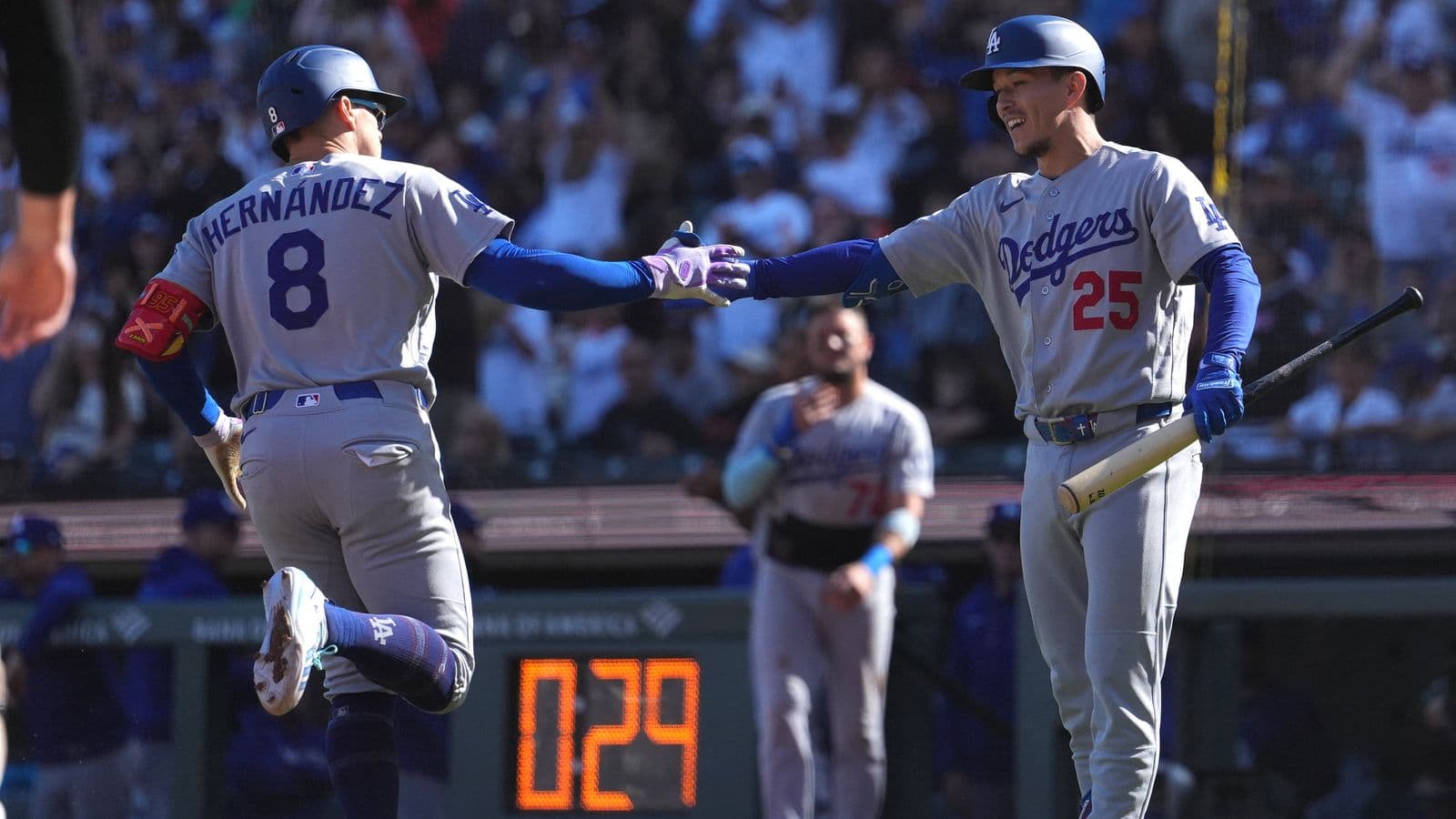
When Tarik Skubal stepped onto the mound for his Dodgers debut on August 5, the baseball world collectively held its breath. Yes, he took the loss against the Cubs. Yes, the final box score won't show a victory. But anyone who actually watched knows the truth: Skubal was electric, composed, and flat-out unlucky. The stat line doesn't lie about the talent - it just lies about the outcome.
This is the moment the 2026 season officially became a two-tier race. And for the other 29 teams, the question isn't if they can catch the Dodgers. It's whether they can survive them.
The New-Look Superteam and the "Skubal Effect"
Make no mistake: the Dodgers didn't just add a pitcher at the deadline - they added an earthquake. Skubal, the best lefty on the planet, now headlines a rotation that scares you 1 through 5. And here's the terrifying part: this is a team that already boasted the National League's deepest lineup. They didn't need to make a splash. They did it anyway.
Owners around the league are reportedly "pumped" about the optics of the trade - a star, a big market, a moment. But here's the ugly truth they won't say out loud: even a salary cap wouldn't make the Dodgers easy to catch. Their farm system, their scouting, their analytical edge, and their willingness to absorb bad contracts in exchange for elite talent have created a machine that doesn't need to outspend everyone in July because it's already spent smarter every month for years.
And let's talk about those catcher moves. Two genius acquisitions at the deadline that fixed their biggest defensive hole without breaking a sweat. That's not luck. That's a front office playing chess while everyone else plays checkers.
📊 Skubal's debut: effective, composed, and unlucky - The stat line won't show it, but the Dodgers just added a co-ace capable of dominating any October series.
So, what does it mean for the rest of the league? It means they're no longer playing for "just get in and see what happens." They're playing for the chance to face a team with no obvious weakness, a rotation that now scares you top to bottom, and a lineup that punishes mistakes like a schoolyard bully.
| Metric | Debut Performance | What It Signals |
|---|---|---|
| Command | Sharp, hitting spots | Playoff-ready consistency |
| Stuff | Electric, swing-and-miss | Elite strikeout upside |
| Result | Loss (unearned) | Regression to wins coming |
| Poise | Composed under pressure | Built for October lights |
The Ripple Effect Across the Contenders
The Cubs, Padres, and the "Now or Never" Squads
Chicago may have stolen yesterday's game, but they've been the National League's boldest counter-puncher all summer. They're not scared of the Dodgers - and that's important. The Cubs built their resurgence on high-ceiling bats and a bullpen that can shorten games. That's the exact formula you need to upset a giant in a five-game series.
San Diego, meanwhile, is lurking. They watched the Skubal trade and didn't flinch, which tells you they believe in their own high-end starters. For them, the path to the World Series still runs through October randomness, where three great starting pitching performances can neutralize any lineup in a short series.
But here's the thing: teams like the Phillies - who just added Luis Arraez, with Bryce Harper literally shifting positions to make room - and the Astros, who keep finding ways to win despite glaring holes, are now staring at a brutal reality. The Dodgers aren't just a better team. They're a better constructed team.
📊 Trade deadline grades: Dodgers got an A, nearly everyone else got a participation trophy - No contender made a move that closed the gap. Not one.