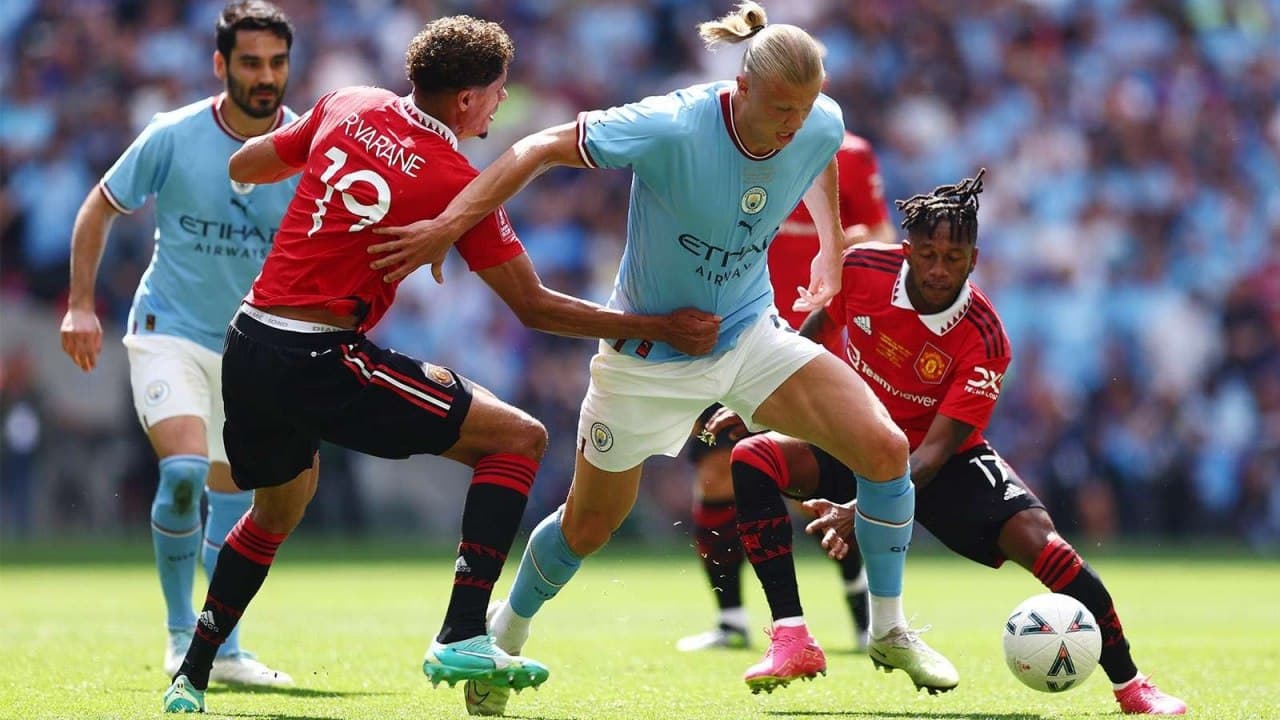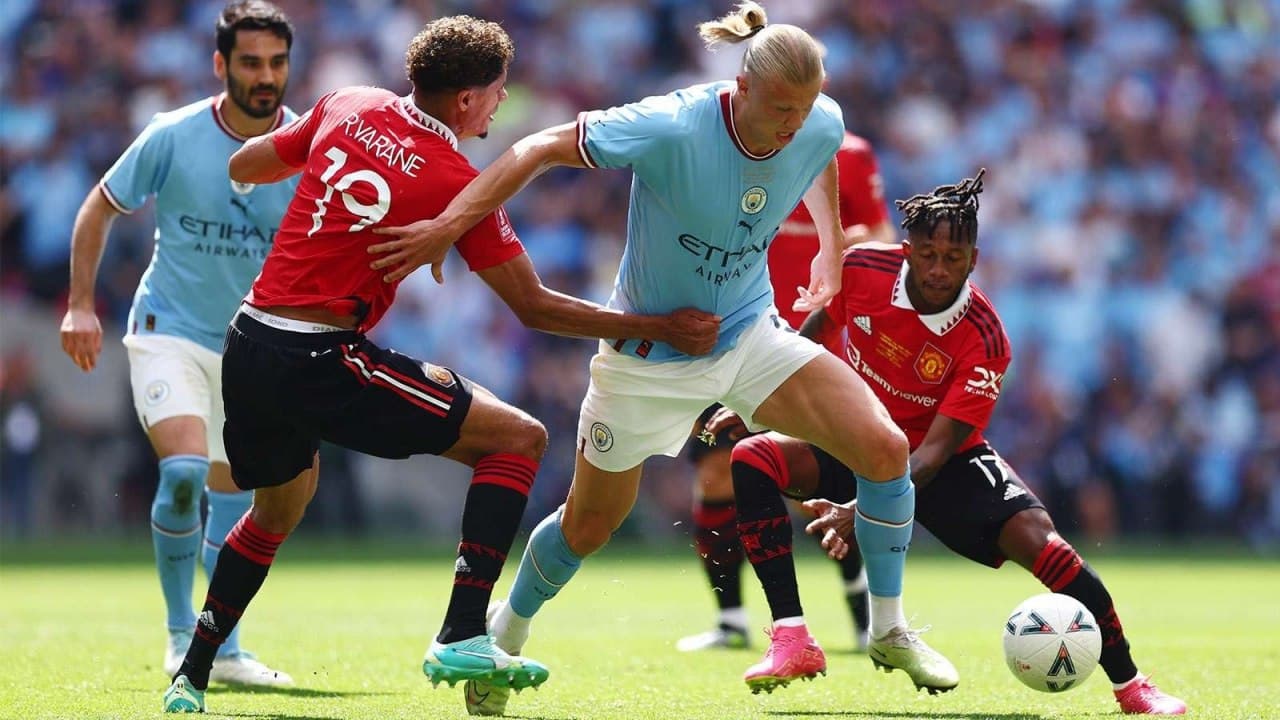
Harry Kane has never been afraid to dream big. But even by his standards, this is something else.
On September 23 and 24, 2026, the England captain sent shockwaves through the soccer world by openly floating a future that sounds like a video game storyline: finishing his soccer career in Major League Soccer while simultaneously trying to become an NFL kicker.
The headlines exploded within hours. The New York Post reported Kane "floats trying to be an NFL kicker while playing in MLS." CBC called it "musing on future double duty." OneFootball went further, suggesting Kane "could combine" both careers "within five or six years." And hitc.com summed up the chaos perfectly: "Harry Kane reveals wild plan to play in NFL while finishing soccer career in MLS."
This isn't a rumor. This isn't a tabloid invention. This is Harry Kane, one of the greatest strikers of his generation, looking into a camera and telling the world he wants to do something no elite soccer player has ever done.
The question now isn't whether he's serious - it's what happens next. And that's exactly what we're digging into with Harry Kane: what is really going on and what happens next in soccer.
Why This Actually Makes Sense for Kane
The Timing Lines Up
Kane is 33 years old. His current contract situation and career trajectory suggest he has maybe three to five more years of top-level soccer in him. That timeline aligns perfectly with what he described: a move to MLS in his late 30s, when the physical demands of European soccer become harder to sustain.
MLS has a long history of extending the careers of aging stars. David Beckham, Thierry Henry, Zlatan Ibrahimović, and Lionel Messi have all proven the league can be both competitive and sustainable for players past their European peak. Kane fits that mold perfectly.
📊 Kane is 33 years old and targeting an MLS move within five to six years - That puts him at 38 or 39 when he'd theoretically make the jump, exactly when European strikers typically wind down.
But here's the twist: Kane doesn't just want to coast into retirement. He wants to kick field goals in the NFL.
The NFL Kicker Pipeline Is Real
NFL teams have increasingly looked overseas for kicking talent. The league's International Player Pathway Program has brought in rugby players, Australian rules footballers, and yes, soccer players. The skills overlap more than casual fans realize: the approach angle, the leg swing, the ability to perform under pressure.
Kane's background as a striker means he's spent two decades training his legs to strike a ball with precision and power. The mechanics of a penalty kick and an extra point aren't identical, but they're close enough that NFL special teams coaches would at least take a look.
The bigger obstacle isn't physical - it's logistical.
The Obstacles Standing in Kane's Way
Soccer and NFL Seasons Overlap
This is the elephant in the room. MLS runs from late February through early December. The NFL runs from September through February. The overlap is significant - roughly September through December.
Could Kane realistically play both? In theory, yes. An NFL kicker's workload is minimal compared to a soccer striker's. Kickers might attempt three to five field goals per game. They practice separately from the rest of the team. The physical toll is low.
Table: Season Overlap - MLS vs. NFL
| Month | MLS Season | NFL Season | Conflict? |
|---|---|---|---|
| February | Preseason/Start | Offseason | No |
| March-August | Regular Season | Offseason | No |
| September-December | Playoffs | Regular Season | Yes |
| January | Offseason | Playoffs | No |
But the mental and scheduling toll would be brutal. Kane would be flying between MLS cities and NFL stadiums, splitting practice time, and managing two completely different coaching staffs and playbooks. No athlete has ever attempted this at a professional level in two major American sports simultaneously.