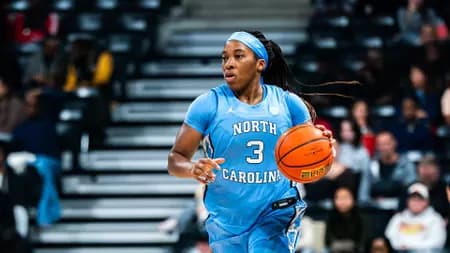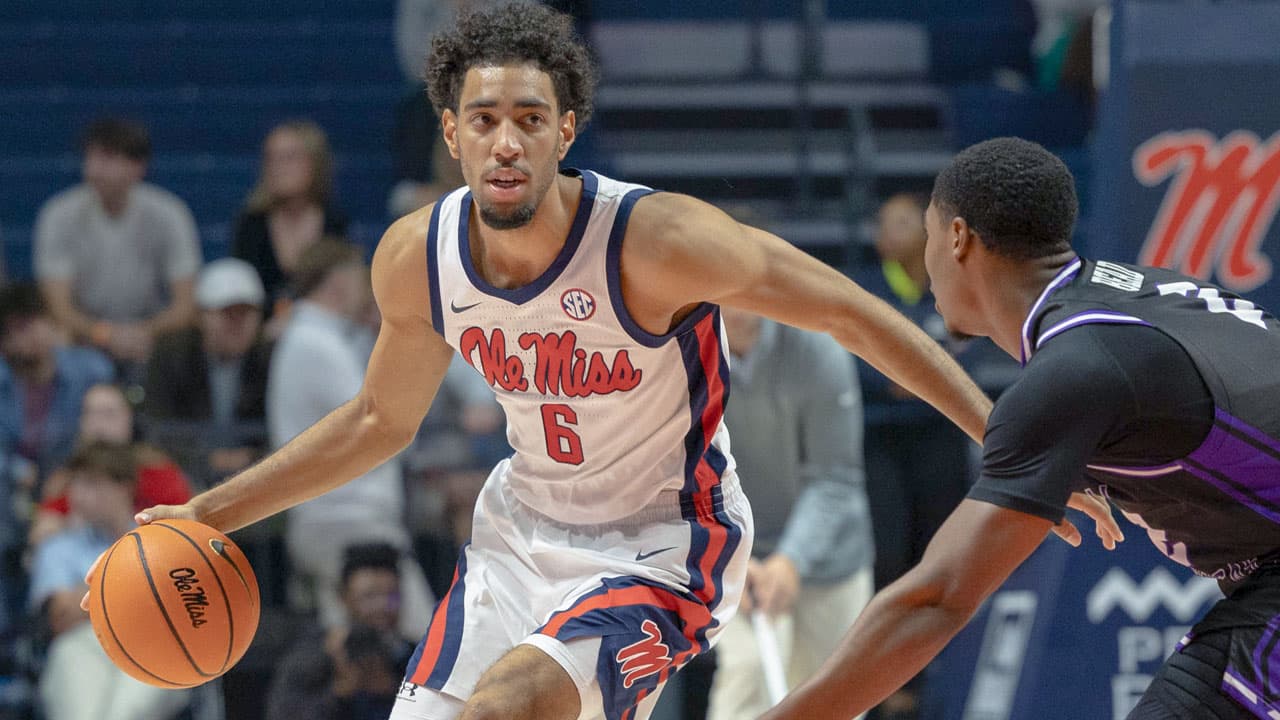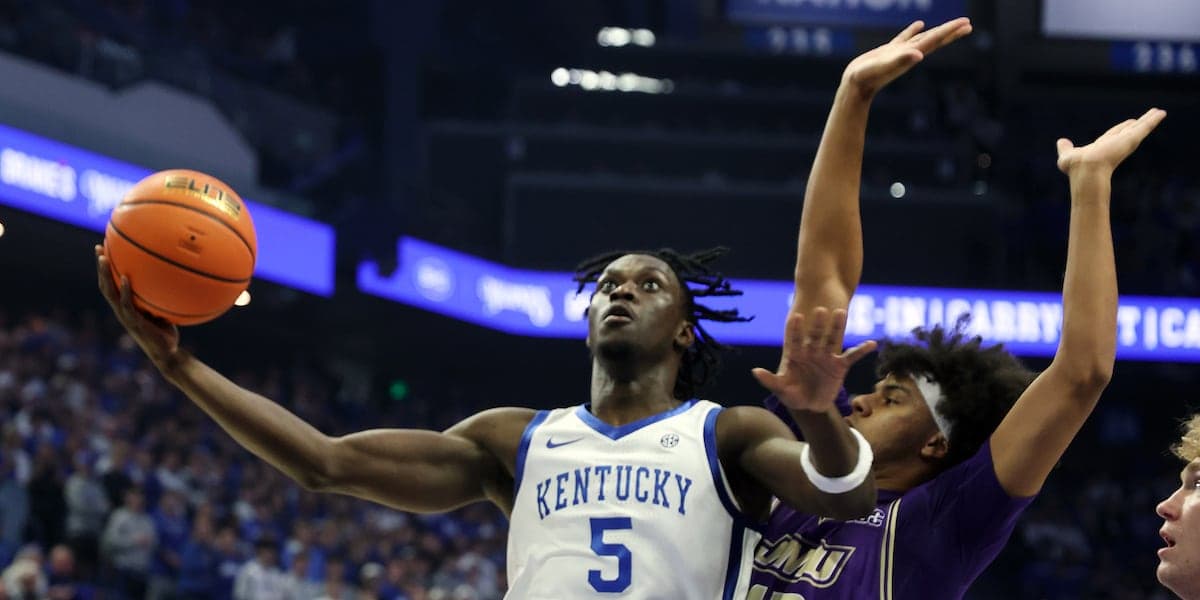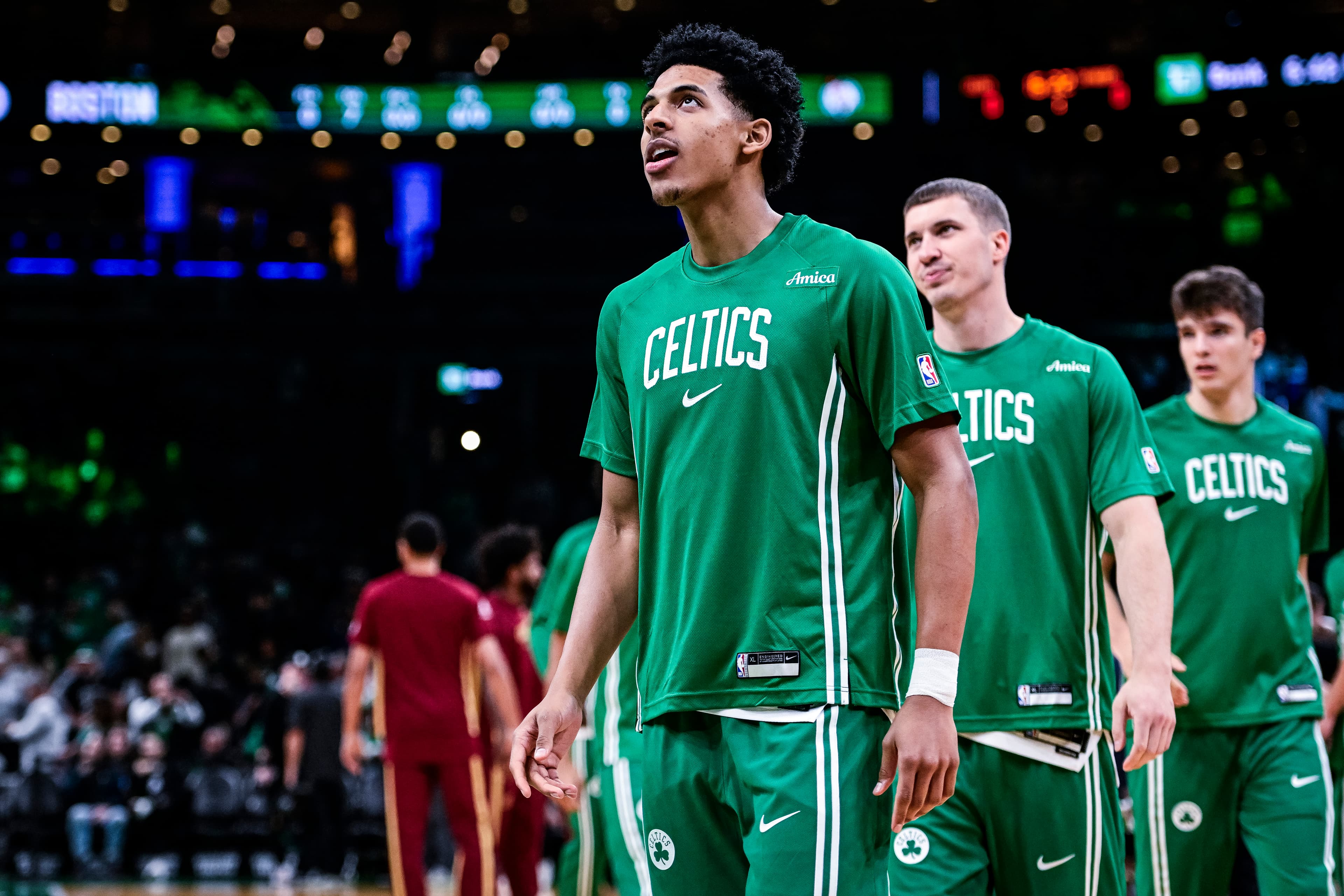
The 2026-27 college basketball season tips off in days, and it might be the wildest ride the sport has ever seen. Revenue sharing is reshaping rosters, the transfer portal never sleeps, and realignment has redrawn the map. The House v. NCAA settlement money - direct payouts to athletes capped at roughly $20.5 million per school annually - is now actually moving, and the financial and legal scaffolding around the sport is being rebuilt in real time. Every October, fans tell themselves this season will be normal. It never is. This year, the chaos is the story. Here are the 10 questions that will define the year.
The New Rules of the Game
Does revenue sharing finally bring order - or more chaos?
The House v. NCAA money is now flowing, and athletic departments are writing real checks to players for the first time. The big question: does paying athletes directly stabilize rosters, or does it just widen the gap between the haves and the have-nots? Early returns suggest the blue bloods are fine. Everyone else is sweating. The cap structure rewards programs with deep institutional infrastructure, and the spread between the top spenders and the rest of the sport has been the defining financial storyline of the preseason. If retention improves across the board, the new model works. If the stars keep migrating to the biggest payrolls, the settlement just formalized the thing everyone feared.
Can the transfer portal churn slow down?
Roster turnover has been brutal for years, and there's no sign of a ceasefire. Coaches are rebuilding entire rotations every spring while fans buy jerseys with names they'll need to Google by November. If the 2026-27 season produces another wave of mid-season defections and late-summer commitments, the sport's roster-management model may need a full reset. The portal window itself remains a fight - coaches want it tighter, players want it looser, and the sport splits the difference in a way that satisfies nobody.
Who wins the realignment arms race?
The Pac-12 rebuild, the ripple effects across the ACC and Big 12, and the ongoing shuffling of conference memberships have made scheduling a puzzle and rivalry week a memory test. The question isn't whether realignment is done - it's whether any conference emerges from this round stronger, or whether every league just ends up more exhausted. Non-conference grids are now negotiated like trade deals, and every league office believes it won the map.
> 📊 $20.5 million - the annual per-school revenue-sharing cap under the House settlement, the single biggest financial lever in college basketball this season.
The Basketball Itself
Is there a clear national title favorite - or another wide-open field?
College basketball loves chaos, and the last few NCAA Tournaments have delivered it in bulk. With rosters in flux and freshmen arriving with more hype than ever, the preseason No. 1 might be a curse again. The real question: does anyone actually want to be the favorite in March? The consensus top tier looks thin and interchangeable heading into the fall, which is exactly how the sport likes it. Expect brackets to be busted by teams nobody ranked in November.
Can the freshman class live up to the billing?
Every year, a new crop of five-stars arrives with comparisons to the last generation of phenoms. This class has the talent to dominate headlines from day one. But the modern game rewards experience, and one-and-done stars are increasingly asked to win now. If the freshmen struggle, the "veterans win in March" narrative gets another chapter.
Which mid-major is this year's Cinderella?
The NCAA Tournament's greatest gift is the mid-major that crashes the party. With revenue sharing pulling depth toward the power conferences - but the cap limiting how deep even the giants can go - expect another George Mason or Saint Peter's-type run from a league nobody watches until March. The question is which program seizes the moment - and whether it can keep its coach and roster intact afterward.
> 📊 1 - number of mid-majors seeded in the top eight a season ago. The talent is spread wide, and the bracket keeps proving it.