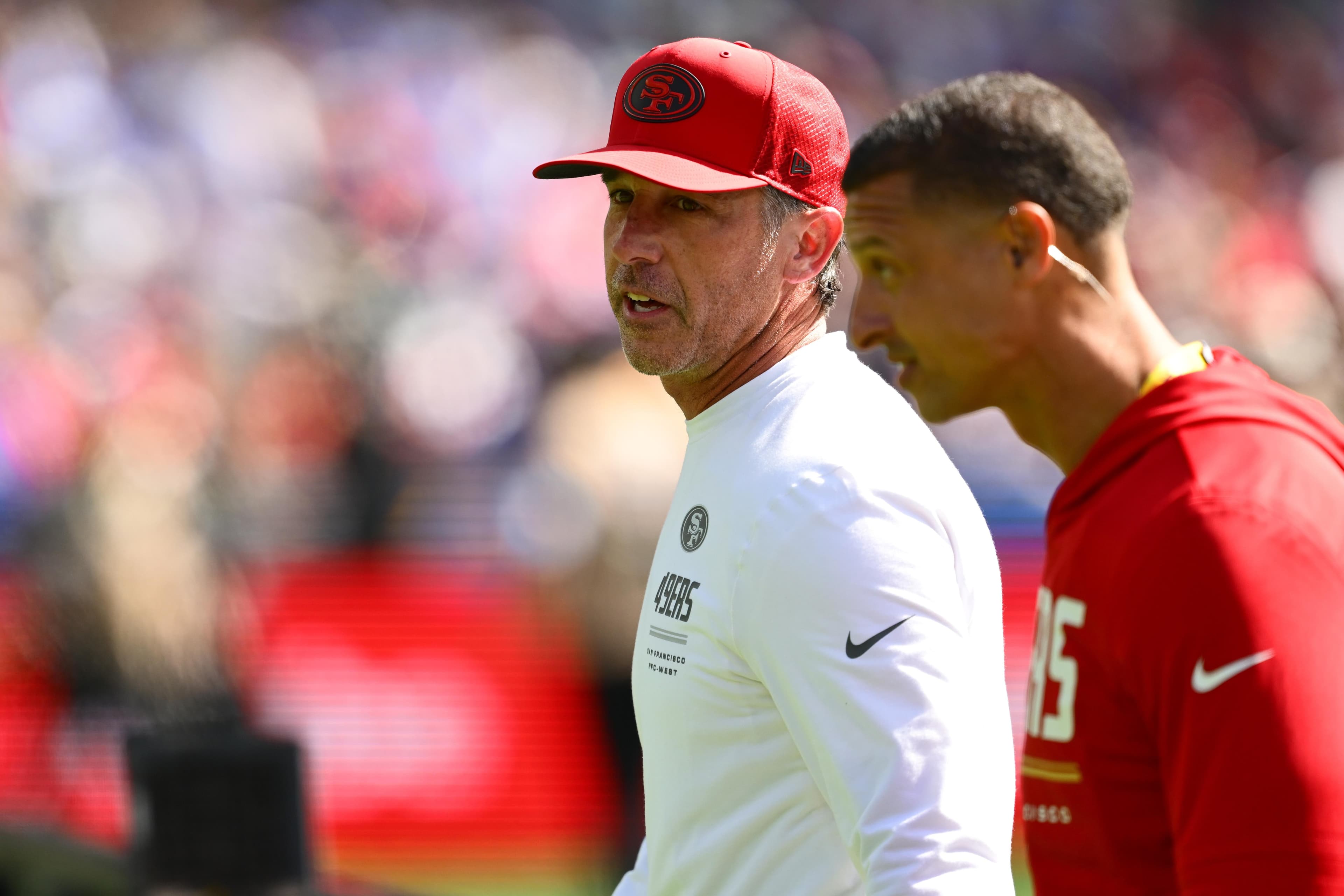
The San Francisco 49ers host the Miami Dolphins in a cross-conference showdown that pits San Francisco's evolving offensive identity against Miami's speed-driven attack. The headline angle is the one that's quietly defined the 49ers' season: a deliberate return to under-center football. Here are the three things that matter most when these teams square off.
1. The Under Center Movement Isn't Slowing Down
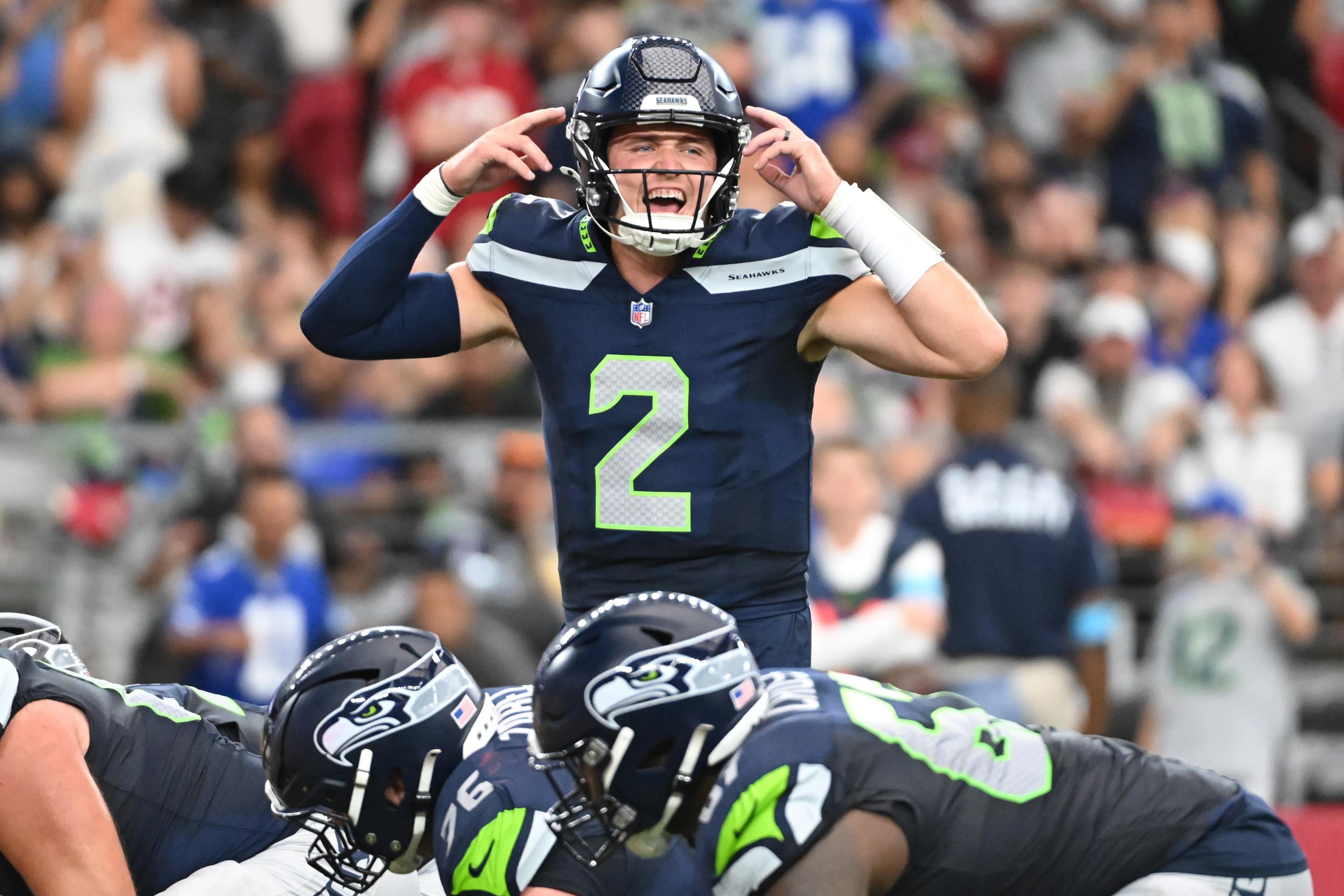
Kyle Shanahan has leaned harder into under-center looks than at any point in recent memory, and the Dolphins' defense is the next test case. This is one of the more meaningful 3 things to watch for in 49ers-Dolphins: The under center movement will continue to shape how San Francisco attacks, and Miami is uniquely built to challenge it.
Why It Matters Against Miami
Under-center snaps unlock the play-action and bootleg concepts that make this offense hum. They force linebackers to respect the run before they can chase the crossing routes Miami struggles to defend. If the 49ers stay committed to it, Brock Purdy's efficiency on early downs should hold up.
The schematic logic is simple. When a quarterback lines up under center, the run action is more convincing, the bootleg sells harder, and second-level defenders freeze for a half-second longer. That half-second is everything in a passing game built on timing. For a San Francisco offense that wants to marry the run and the pass into one continuous threat, under center is the engine, not a gimmick.
NFL scheme analysts have tracked this shift closely. Shanahan's offense has steadily increased its under-center rate and its success rate on those snaps, and the trend has carried straight into this season. As one league-wide breakdown noted, defenses are now seeing more under-center play-action than they have in years - and it's working. That's exactly why this matchup matters: it's a stress test against one of the fastest defenses in football.
The Counterpunch
Miami's edge speed is built to disrupt exactly this. Watch whether the Dolphins crowd the box and dare San Francisco to win from the gun. If Miami loads up, the 49ers answer by motioning a tight end across the formation or checking into a quick RPO. If Miami stays light, San Francisco will keep hammering the run behind center. The chess match starts on first down.
📊 Under-center snaps unlock the highest play-action efficiency in the league - early-down success from under center consistently outpaces shotgun looks for this offense.
2. Can the 49ers Keep Tua Off Rhythm?
The Dolphins' offense runs on timing - quick game, motion, and throws that get out before pressure arrives. Take that rhythm away, and Miami suddenly looks ordinary.
Pressure Up the Middle
Interior disruption is the fastest way to wreck Tua Tagovailoa's internal clock. If San Francisco's front can collapse the pocket without extra rushers, the secondary gets to sit on those in-breaking routes. That's the whole plan: rush four, drop seven, and make Tua hold the ball one beat longer than he wants.
The Dolphins' offense is famously a "get the ball out fast" machine. Quick screens, slants, and RPOs are designed to neutralize edge pressure. But pressure straight up the gut is harder to scheme around, because it arrives in the quarterback's lap before the quick throw can develop. If the 49ers' interior defenders win their one-on-ones, Miami's timing offense gets knocked off schedule.
| Method | Why It Works | Risk |
|---|---|---|
| Interior pressure (4-man rush) | Collapses the pocket fast, no blitz needed | Leaves cornerbacks on islands |
| Press coverage at the line | Delays quick releases and rub routes | Vulnerable to double moves |
| Disciplined motion matching | Kills pre-snap leverage advantages | Requires constant communication |
| Tempo control on offense | Keeps Miami's playmakers off the field | Demands sustained drives |
The Motion Battle
Miami uses pre-snap motion to diagnose coverage and create free releases. The 49ers' discipline in matching it will decide whether this becomes a track meet. When a defense fails to communicate through motion, speedsters run free. When it does, the quarterback has to hold the ball - and that's when pressure wins.
📊 Tua's passer rating drops sharply under pressure - when forced off his first read, he becomes a far less dangerous quarterback.