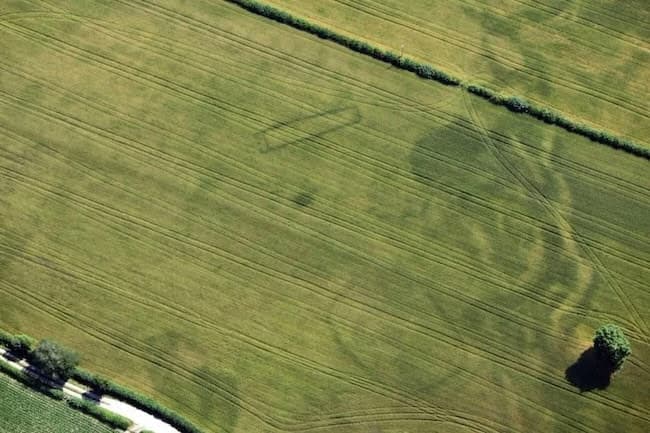
WELSHPOOL, POWYS - July 2026 turned the Welsh Marches into a cracked-earth bakescape. Nobody expected the grass to give up history. But as the heatwaves baked Powys brown, a 5,000-year-old secret burned through. The discovery? A Neolithic ceremonial arena sitting yards from Welshpool’s historic racecourse. And if locals have their way, this ancient circle might become the most talked-about sports venue in Britain - 50 centuries after the last match.
The Heatwave That Rewrote Welshpool’s Sports Map
When 2026’s Scorching July Bared a 5,000-Year-Old Secret
This summer’s drought didn’t just ruin lawns and trigger hose-pipe bans. It revealed something far more valuable - and far older. The intense dry spell produced cropmarks in a field near the town’s racecourse, outlining a massive circular feature roughly 100 metres in diameter. Archaeologists from the Royal Commission on the Ancient and Historical Monuments of Wales confirmed the marks date to the Neolithic period, around 3,000 BC.
But here’s where the story gets weird - and wonderful. The site sits less than 200 metres from the Welshpool racecourse finishing post. And directly adjacent to training grounds used by a local grassroots football academy. For fans scrolling their phones in the July heat, the timing couldn’t be more electric.
“We’ve always known this land had something,” said local historian and lifelong Welshpool Town FC supporter Gareth Lloyd. “But we thought it was just good drainage for the pitch. Turns out it’s a Neolithic stadium. The original goal.”
From Cropmarks to Kickoffs: The Site’s Surprise Location
The location is the story. This isn’t some remote hill fort. It’s a field that generations of Welshpool sports fans have walked past, parked beside, and occasionally kicked a ball across. The racecourse, which hosts meetings throughout the summer, sits immediately to the south-west. The football academy’s training pitches are separated by nothing more than a hedgerow.
Local sports clubs are buzzing with theories. Could this circular enclosure have hosted ritualised games? Did Neolithic competitors hurl stones or run laps? One thing’s certain: the proximity to modern sporting infrastructure has ignited local imagination.
Could This Be the Oldest Sports Venue in Britain?
Archaeologists Spot “Ceremonial Arena” - But Fans See a Stadium
Experts are cautious. Dr. Elena Morgensen of the University of Cardiff described the feature as a “probable ceremonial enclosure, likely used for gatherings, trade, and seasonal rituals.” Online, the fan forums tell a different story.
“That’s a pitch. A 5,000-year-old pitch,” wrote one user on Welshpool FC’s fan page. “Imagine the tackles. Imagine the crowd. This was the Wembley of the Stone Age.”
The narrative has exploded across social media, with memes showing Neolithic farmers wearing replica shirts. Unofficial betting markets have already opened on whether the site will host an exhibition match before 2028. The odds? Surprisingly tight.
Grassroots Clubs Fear Pitch Disruption - Or Heritage Gold Rush
Not everyone celebrates with a pint and a chant. Welshpool Town FC’s youth academy uses the adjacent training field every Tuesday and Thursday evening. If excavation work begins, those sessions could be compromised.
“We’re not against archaeology,” said club secretary Mike Parsons. “But we have a fixture list. Kids have matches. We need to know if the dig will block access.”
On the other side, the local rugby union club sees opportunity. “Heritage tourism brings money,” said club chairwoman Bethan Price. “And money buys new floodlights. Let’s work with this.”
The Ultimate Summer Showdown: Heritage vs. Hooliganism
Sports Tourism Boost vs. Preservation Lockdown
The debate is heating up faster than this summer’s concrete. Sports tourism advocates see a goldmine. Imagine matchday visitors who also tour a 5,000-year-old site. The Welshpool racecourse already draws crowds during the summer flat season; add a Neolithic attraction, and you have a weekend package.
But preservationists are wary. English Heritage has made no official statement as of July 28, 2026. The site remains unclassified. The Royal Commission has not applied for Scheduled Monument status. That could change quickly - and if it does, modern sports may have to step aside.
“You can’t build a fan zone over a Neolithic ritual space,” said Dr. Morgensen. “But you can build a visitor centre 200 metres away. We’re not enemies.”
What the FA & Heritage England Are Saying (So Far)
Both organisations have remained silent. The Football Association of Wales declined to comment. The local council has scheduled a meeting for early August. But fans are already voting with their feet - and their hashtags.