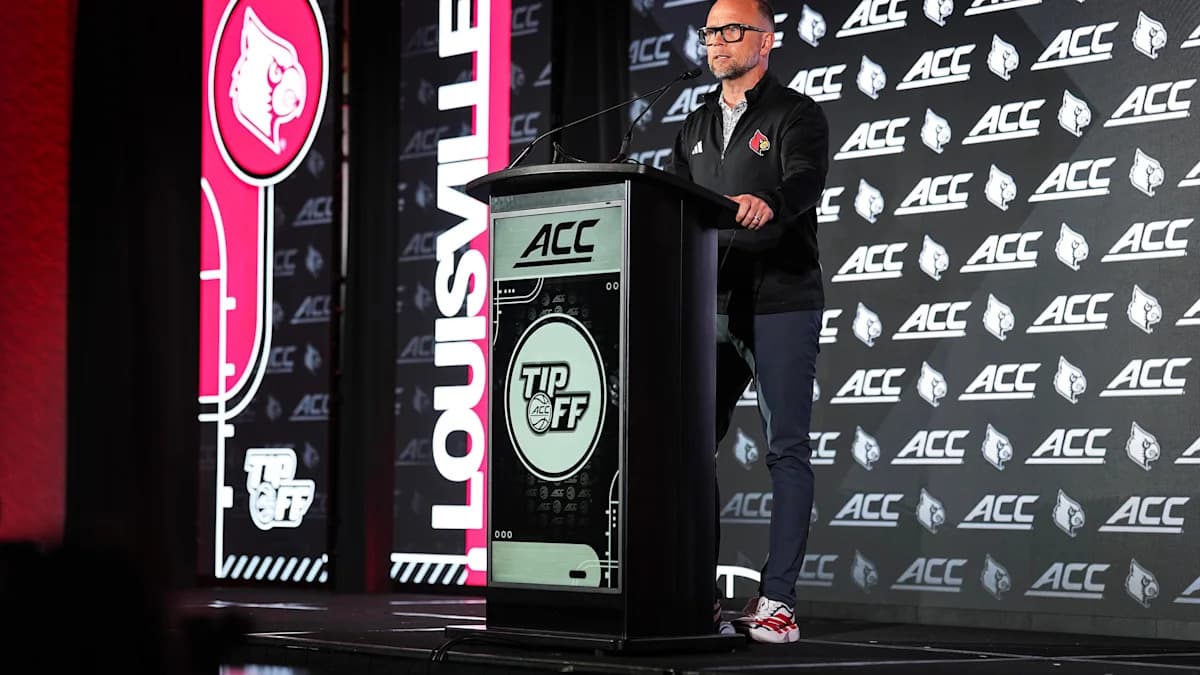
Mid-October has arrived, and in college basketball that means one thing: the official ACC men's basketball preseason poll is coming at ACC Tipoff. We're getting ahead of the media and coaches, though, because arguing about it is what fans do best. These ACC men's basketball preseason power rankings for 2026-27 are a projection built on roster construction, recruiting wins, and historical trends - not a leaked ballot. The league is now a full-fledged 18-team monster, with Cal, Stanford, and SMU in their third season of cross-country chaos. The bottom of this conference is no longer a cupcake buffet. It's a gauntlet. Here's how the tiers shake out.
The Heavyweight Tier: Familiar Faces at the Top
Table: The Blue Blood Blueprint
| Program | Projected Tier | Core Identity | 2026-27 Outlook |
|---------|---------------|---------------|-----------------|
| Duke | Top 5 nationally | Elite recruiting + retained vets | Title favorite |
| North Carolina | Top 5 nationally | Balance of experience and 5-star talent | Final Four threat |
| Clemson | Top 15 nationally | Defensive efficiency, veteran guards | ACC dark horse |
| Virginia | Top 20 nationally | Pack-line defense, patient offense | Double-bye contender |
Duke and North Carolina remain the sport's true blue bloods, and nothing about the transfer portal era has changed that. Both programs enter 2026-27 with top-five national recruiting classes and enough retained core pieces to avoid the dreaded chemistry reset. The Blue Devils and Tar Heels are the only ACC teams most national bracketologists are slotting as legitimate Final Four threats before a single game tips.
Clemson and Virginia have genuinely separated from the middle pack, and the reason is boring but beautiful: defense and veteran leadership. In a league defined by guard play and pace, the Tigers and Cavaliers win by making every possession feel like a root canal for opponents. That formula travels. It's why both project as top-four conference finishers.
📊 ACC membership includes California, Stanford, and SMU since the 2024-25 season - the 18-team league makes every road trip a physical and logistical test, especially for the old guard.
The expanded conference schedule - 20 games of it - means the heavyweight tier can't sleepwalk through January anymore. A Tuesday night trap game in Dallas is now a real thing. That's the new ACC.
The West Coast Wild Card: Cal, Stanford, and SMU
Three years in, the cross-country experiment is no longer a novelty. It's a reality, and for Cal and Stanford, it's a grind. The Golden Bears and Cardinal have the recruiting pipelines - Stanford's academic prestige remains a portal magnet for high-IQ difference-makers, and Cal's Bay Area footprint still resonates with West Coast talent. But the travel tax is real. Neither program has fully cracked the code of winning consistently on a 3,000-mile road swing.
Table: Year Three Reality Check
| Program | Biggest Advantage | Biggest Question | Ceiling |
|---------|------------------|------------------|---------|
| Cal | Bay Area recruiting base | Can they hold up on East Coast swings? | Mid-pack ACC |
| Stanford | Academic prestige in portal | Offensive firepower vs. elite defenses | NIT bubble / low NCAA seed |
| SMU | Dallas resources and NIL muscle | Consistency against blue bloods | NCAA tournament lock |
SMU is the real wild card. The Mustangs have the resources, the market, and the attitude to be an absolute nightmare for every blue blood that walks into Moody Coliseum. Dallas is a trap game in bold, underlined, and highlighted red. If SMU's roster clicks, they're not just a spoiler - they're a top-six ACC team.
📊 18 teams, 20 conference games - the math means more Quad 1 opportunities and more chances for a West Coast road loss to torpedo a blue blood's resume.