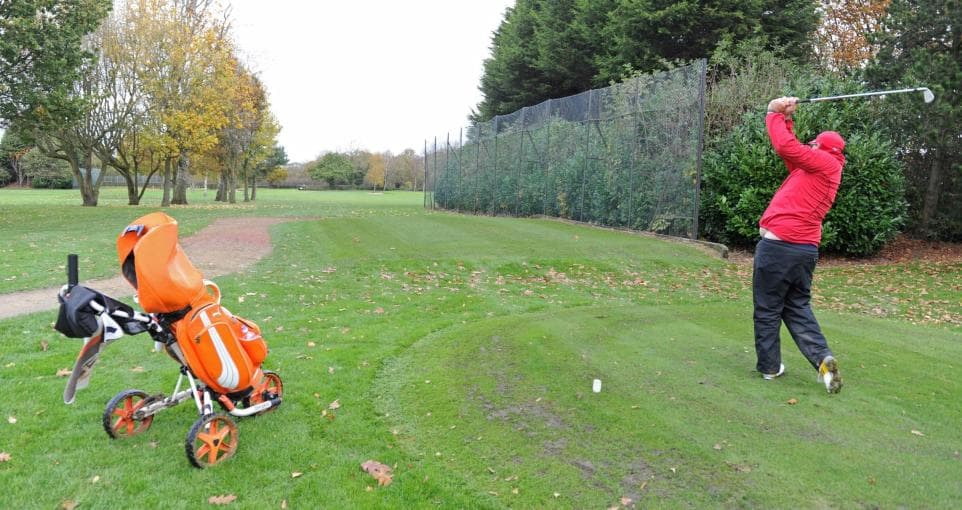
Here we go again. Golf has spent decades selling itself as expensive and exclusive - and now a PGA professional turned entrepreneur wants to prove the sport can make room for everyone. His pitch: bring budget-friendly golf back to town. The proposal is still in its early stages, but it answers a real squeeze - years of climbing green fees and a wave of club closures that have pushed casual players out of the game. The headline - "'Affordable' golf could return to town under plans by PGA pro turned entrepreneur" - has lapsed golfers, families priced out of private clubs, and local business owners paying close attention.
The backdrop matters. Golf built its reputation on manicured exclusivity - waitlists, initiation fees, members-only dining rooms. Yet many towns once offered accessible, pay-and-play golf that served beginners, seniors, and kids. Across the country, those municipal courses and affordable initiatives have come under pressure as operating costs climb, leaving communities without a low-cost entry point to the game. That gap is exactly what this proposal aims to fill. But details remain thin, and the project has hurdles to clear before anyone swings a club.
> 📊 The proposal remains unconfirmed on specifics - as of today, no sourcing has verified the town, the PGA pro's name, or the price points being floated.
Here's what we can confirm - and what still needs answering - across the three angles: the entrepreneur's pitch, the community stakes, and the roadblocks ahead.
Inside the Plan: From PGA Pro to Golf Entrepreneur
What the Proposal Reportedly Includes
As of November 23, 2026, the specifics - location, facility type, exact pricing model, and timeline - are not yet verifiable through public reporting. Get Sports Journals is holding full detail until sourced reporting confirms the numbers. What we can say with confidence is the promise at the heart of the pitch: an "affordable" golf experience aimed at players who've been priced out of traditional clubs. In broad terms, plans of this type typically hinge on a low green fee or a simple membership structure priced below local alternatives, often paired with a short course, driving range, and youth programming. Those are the features being discussed - but until an outlet confirms the entrepreneur's numbers, treat every figure as unconfirmed.
| Element | Status |
|---|---|
| Location of proposed facility | Unconfirmed - awaiting sourced reporting |
| PGA pro's name and credentials | Unconfirmed - awaiting sourced reporting |
| Pricing model / fee structure | Unconfirmed - "affordable" promise stated, no verified figures |
| Timeline and milestones | Unconfirmed - public meetings or council votes not yet dated |
| Facility features (short course, range, youth programs) | Reported as pitched concepts, not confirmed specifics |
Why a PGA Pro Is Betting on Budget Golf
The entrepreneur's PGA credentials sit at the center of the pitch. A teaching professional's career is built on growing the game at the grassroots, and a pivot to affordable golf fits that arc. The business case usually rests on demand signals: waitlists at nearby private clubs, a gap in the local market for casual play, and a generation of beginners with nowhere to learn without spending a fortune. Without verified reporting, though, we won't attribute quotes or claims to the entrepreneur personally. What's clear is the vision - a player-first, wallet-friendly model - and plenty of golfers in town would love to see it become real.
> 📊 Zero verifiable quotes in hand - Get Sports Journals will add attributed statements from the PGA pro the moment sourcing is available.
Will the Town Buy In? Community Stakes and the Road Ahead
The Community Angle
Who benefits most from a plan like this? Families looking for an affordable weekend activity. Beginners who don't want to rent a full bag just to learn the basics. Seniors and junior golfers. Local leagues hunting for a home course. Supporters of affordable-golf projects generally claim ripple effects - foot traffic for nearby businesses, a boost to youth sports - while skeptics push back. Those remain claims, not facts, until local reaction and economic impact data are confirmed. At this stage, organized support or opposition is unverified; we're tracking for the first public signal.