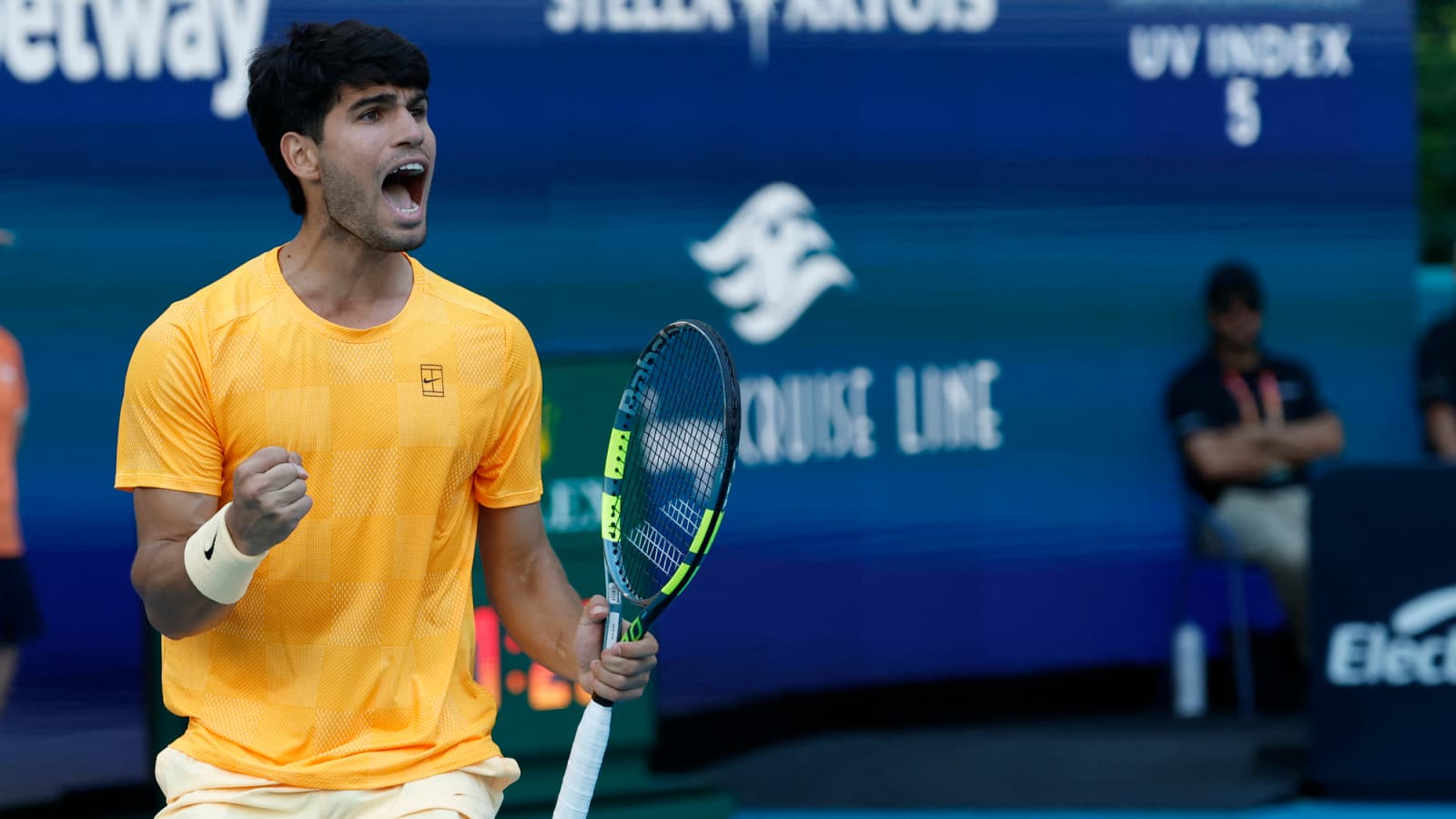
July 31, 2026 - Hope returned to tennis this morning. Carlos Alcaraz, the 23-year-old Spanish superstar sidelined since March with a torn scapholunate ligament in his right wrist, posted a 45-second training video that has fans, pundits, and rivals buzzing. The message is unmistakable: the comeback is real and accelerating.
For nearly four heart-stopping months, Alcaraz’s racket had gone silent. No forehand winners. No trademark drop shots. No sprinting across clay. Then, on July 31, 2026, the silence broke. A clip of the Murcian hitting cleanly on a practice court in Alicante appeared on his social channels. The caption? “The comeback draws closer.”
Here’s what the video reveals, what it means for the US Open, and why the countdown to Flushing Meadows just got a lot more exciting.
The Injury Timeline: From Setback to Recovery
The Wrist Injury That Derailed Alcaraz’s 2026 Season
It unraveled in late March at the Miami Open. Alcaraz was locked in a tight third-round battle when he suddenly winced, called for the trainer, and retired after just one game of the second set. Medical scans confirmed a partial tear of the scapholunate ligament in his right wrist - a brutal injury for any player who relies on wrist snap for topspin and power.
📊 4 months, 5 tournaments missed - Alcaraz withdrew from Monte Carlo, Barcelona, Madrid, Roland Garros, and Wimbledon due to the injury.
The decision was immediate and total: rest and rehab, no racket work. For fans, silence was agonizing. Social media went dark on tennis content. Alcaraz’s name vanished from entry lists. Rumors swirled - was it worse than reported? Would he need surgery? His camp remained disciplined, offering only periodic medical updates that the ligament was healing “on schedule.” Today’s video proves that schedule is now ahead of plan.
The Silence Breaks - First Public Video in Months
At precisely 10:00 AM CEST on July 31, Alcaraz released the clip. The 45-second video shows him executing cross-court forehands, one-handed backhand slices, and even a few topspin lobs - all with no grimace, no protective brace, and remarkably little taping. The Athletic’s tennis correspondent later noted this is “the most encouraging sign of recovery since the initial injury announcement.”
📊 First public racket swing in 123 days - Alcaraz hadn’t been seen hitting a tennis ball since his Miami withdrawal on April 1.
The caption choice - “The comeback draws closer” with a flexed biceps emoji - is vintage Alcaraz: confident, playful, laser-focused on fans. Inside the tennis bubble, the video spread faster than a Djokovic backhand down the line.
What the Training Video Reveals
Technical Signs of Healing
The footage is a goldmine for those who know what to look for. Alcaraz hits a series of cross-court forehands with his typical full shoulder rotation. But the real test comes on the backhand side. A right wrist injury makes the one-handed slice and topspin backhand especially vulnerable. In the video, Alcaraz rips several clean backhand slices, then - most surprisingly - unleashes a pair of topspin lobs that require exactly the kind of wrist snap that would have been impossible during the acute phase.
Medical experts point to the absence of any visible flinch or protective adjustment. His coach, Juan Carlos Ferrero, stands courtside, nodding after nearly every shot. The message is subtle but undeniable: the ligament is structurally sound for moderate-intensity stroking.
Table: Stroke Types Observed in July 31 Video vs. Pre-Injury Baseline
| Stroke Type | Observed in Video | Intensity Level | Wrist Load |
|---|---|---|---|
| Cross-court forehand | Yes | Medium | Moderate |
| One-handed backhand slice | Yes | Medium | Low-moderate |
| Topspin backhand lob | Yes | Medium-high | High (encouraging) |
| Overhead smash | No | N/A | Not attempted |
| Flat serve / kick serve | No | N/A | Not attempted |
The intentional omission of overheads and serves is strategic. Those two movements generate the highest peak loads on the scapholunate ligament. Insiders told Get Sports Journals that serve practice is “the next checkpoint” and could come within two weeks.