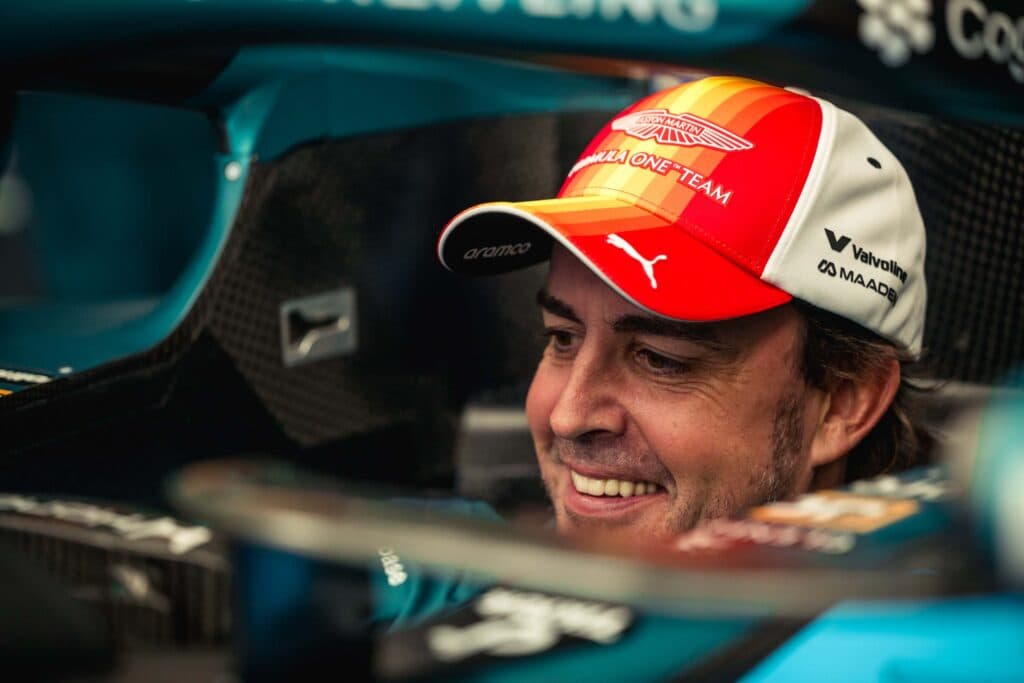
Fernando Alonso has never been one to bite his tongue. His latest rocket has landed squarely on Formula 1's most uncomfortable truth. The two-time world champion tore into modern Grand Prix racing with a line now burning across fan forums and paddock chatter: F1 is the only motorsport on earth where drivers must "drive slow to go fast."
It's brutal shorthand - and it cuts deep because it's basically true. MotoGP riders, WEC hypercar aces, and IndyCar stars wrestle their machines at the limit. F1 drivers? They manage fuel, nurse tires, and lift-and-coast into corners just to survive a race distance. The Alonso Outburst: F1 Is the Only Motorsport Where Drivers Must 'Drive Slow to Go Fast' isn't just a veteran venting after a frustrating Sunday. It's the sharpest framing yet of the sport's central modern tension.
What Sparked the Alonso Outburst Firestorm
Context matters as much as the quote. Alonso, now deep into his forties and still lapping within tenths of drivers half his age, has spent the hybrid era watching races become exercises in resource management. His remark landed hardest because of who said it - not a rookie struggling with the rules, but a champion who's won at Le Mans, Daytona, and in IndyCar machinery. He genuinely knows how other series feel.
The response was immediate and split. Supporters called it the most honest sentence spoken about F1 in years. Detractors pointed out that lift-and-coast, fuel saving, and tire management have been baked into the sport since the turbo-hybrid power units arrived in 2014 - and that nobody complained when it delivered some of the closest title fights in history.
📊 Alonso is a two-time F1 World Champion (2005, 2006) and a two-time Le Mans winner - a résumé that makes his cross-discipline comparison land with unusual authority.
What's undeniable is that Alonso Outburst: F1 Is the Only Motorsport Where Drivers Must 'Drive Slow to Go Fast' captures a paradox every fan has felt but few have articulated so cleanly. And it's a paradox worth unpacking properly.
Why F1 Genuinely Rewards Going Slower Than Flat-Out
Here's the thing casual viewers struggle with: in most motorsport, the fastest lap wins. In F1, the fastest race usually doesn't. Push flat out for a full stint and you'll cook your tires, drain your fuel allocation, and overheat a power unit locked into a tightly regulated energy budget. The winner is often whoever manages the slowest sustainable pace most ruthlessly.
Table: How Top Motorsport Series Reward Different Skills
| Series | Primary Discipline | Speed vs. Strategy Balance |
|---|---|---|
| Formula 1 | Energy, fuel & tire management | Strategic pacing over raw pace |
| MotoGP | Rider feel, braking, lean angle | Near-flat-out sprint with tire choice |
| WEC Hypercar | Stint endurance & consistency | Multi-hour strategy, driver rotation |
| IndyCar | Overtaking on ovals & street circuits | Aggressive racing with fuel windows |
Fuel, Tires, and the "Lift and Coast" Reality
Fuel saving is the most visible culprit. Drivers lift off the throttle early and coast into corners to stretch a fuel load, gaining seconds of range over a race distance. Tire conservation works the same way: a driver who pushes 100% for five laps may lose ten by overheating the rubber beyond recovery. Then there's hybrid deployment - strategically sacrificing speed in slower corners to bank electrical energy for deployment on straights. This is where the Alonso Outburst: F1 Is the Only Motorsport Where Drivers Must 'Drive Slow to Go Fast' really bites, because all three demands stack on top of each other.