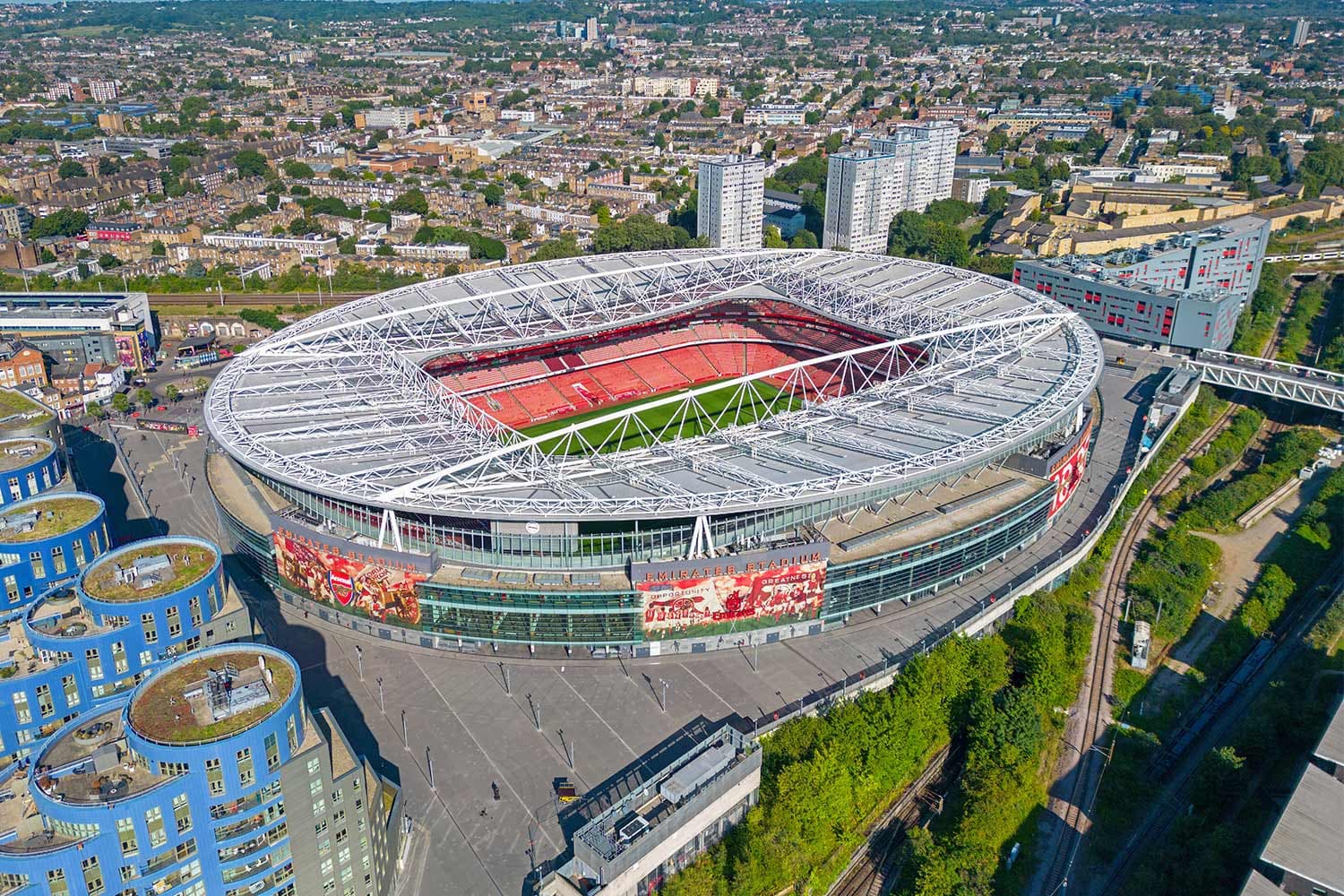
Here's a sentence nobody at London Colney wanted to read over morning coffee: Arsenal employs a consultant to audit club and leave staff fearing they will sacked. This is no quiet, clipboard-and-handshake review. It's a full operational deep-dive. For a club that has spent years polishing a reputation for smart, stable, modern leadership, the move lands like a cold slap. And it lands hardest on the staff.
The logic behind it isn't mysterious. Football clubs are no longer just clubs. They're mid-sized corporations with wage bills, commercial arms, medical departments, scouting networks and media operations - all of which now have to justify their existence line by line. When a board decides it needs an external set of eyes on all of that, the message is rarely "everything is fine." The message is "we want to know where we're bleeding - and then we want to stop it."
So the mood inside the building has tightened. Audits don't only produce reports. They produce names. They produce org charts with boxes that quietly vanish. The timing is what makes this more than a footnote. Arsenal are not a club in crisis on the pitch. This isn't a fire-sale review triggered by relegation panic. It's something more uncomfortable for employees: a business-health check on a club that believes it should be performing better than it is - commercially, structurally, or both. Those are the reviews that hurt, because they assume the status quo is underperforming, not unlucky.
Across the Premier League, this is becoming the norm rather than the exception. English top-flight clubs generated record combined revenues in recent seasons, yet wage bills and amortised transfer costs have climbed just as fast. According to Deloitte's Annual Review of Football Finance, Premier League clubs continue to spend the majority of revenue on wages - a squeeze that pushes even healthy clubs toward operational audits. In the 2023/24 season alone, top-flight clubs posted combined pre-tax losses despite record income, a fact that makes boardrooms twitchy and consultants busy.
📊 Record Premier League revenues, yet combined pre-tax losses persist - Even healthy clubs now audit operations to find inefficiency, not just survival.
Why a Consultant Is Never Just a Consultant
For the people drawing a salary at Arsenal, the identity of the consultant matters less than the mandate. Bring someone in to "review processes" and you've brought them in to recommend cuts, consolidations or redundancies - even if nobody uses those words on day one. Every staff member who has lived through a corporate audit knows the pattern: friendly interviews, data requests, "nothing to worry about," and then a restructuring memo.
Then there's the optics problem. Arsenal have always sold themselves as a family club with a backroom culture built on continuity. A consultant walking the corridors cuts directly against that story. It tells players, agents and rival clubs that the hierarchy is looking inward, not outward. And in the middle of a season, that's a distraction nobody in the football department needs. The club's own commercial momentum - renewed sponsorship deals and a packed Emirates matchday operation - makes the audit look less like emergency surgery and more like an efficiency drive. That distinction matters enormously to staff, because one implies a crisis and the other implies you might be the cost.
It's worth noting that Arsenal employs a consultant to audit club and leave staff fearing they will sacked is not an isolated headline in 2026. Several top clubs have run similar reviews, and the pattern is consistent: audit first, restructuring second, quiet exits third. For related coverage on how clubs manage backroom transitions, the industry conversation has shifted decisively toward data-led operations.
📊 "Review processes" is corporate language for restructuring - Consultants hired to audit almost always recommend consolidation, and consolidation means job losses.