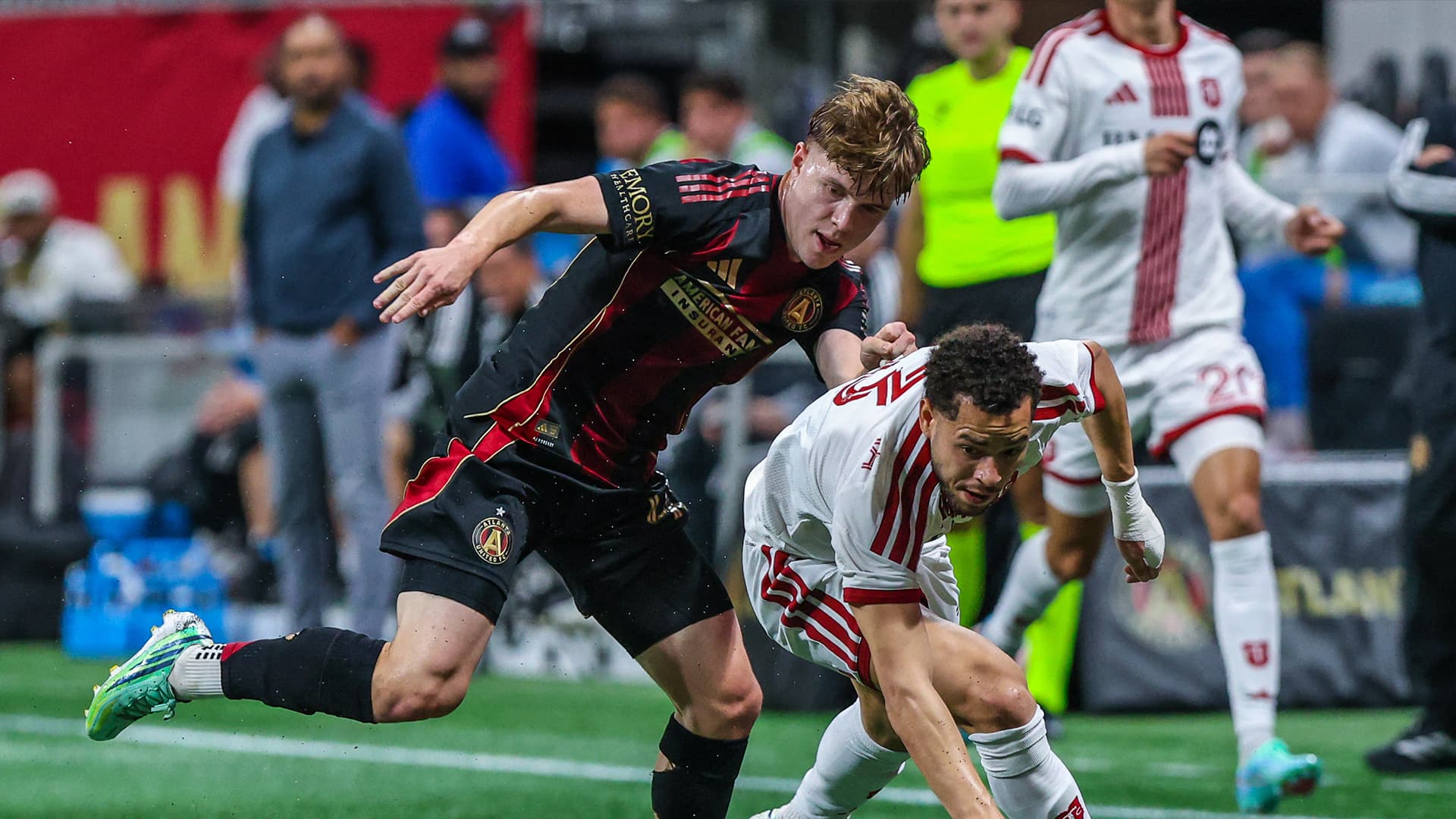
The stakes are crystal clear for Atlanta United. As the Five Stripes prepare to face the New York Red Bulls, all eyes fall on a back line that has cracked at the worst possible moments. In a playoff race where every point feels like gold, defensive lapses aren't just frustrating - they're potentially season-defining. Atlanta United Must Tighten Defense Ahead of New York Red Bulls Clash, or risk watching their postseason hopes slip through fingers that should be gripping tighter.
The tension is palpable. Atlanta has the attacking firepower to compete with anyone in the Eastern Conference, but football matches aren't won on highlights alone. The defensive frailties that have plagued the Five Stripes all campaign loom large against a Red Bulls side built to exploit exactly those weaknesses. This isn't just another fixture - it's a test of whether Atlanta's defensive discipline can match their offensive ambition.
The Defensive Frailty That Could Decide the Match
Where the Leaks Are Showing
Before diving into specifics, fans should understand the patterns that have defined Atlanta's defensive struggles this season. The recurring issues are neither mysterious nor complex - they're fundamental breakdowns that opponents have learned to exploit with alarming consistency.
Set-piece marking has been a persistent headache for the Five Stripes. Too often, Atlanta's defenders lose their assignments in the chaos of corners and free kicks, leaving opposing attackers with unchallenged headers and clear sightlines at goal. The zonal-versus-man-marking debate continues to swirl around the club, but whatever system is deployed, the execution has fallen short. These aren't isolated incidents - they're recurring patterns that opponents now target deliberately.
> 📊 Atlanta's defensive record at home remains a concern heading into this crucial matchup - The Five Stripes need to address recurring set-piece vulnerabilities to secure three points.
Transition defense tells another concerning story. When Atlanta pushes forward - as they must to utilize their attacking talent - the space left behind becomes a highway for counter-attacks. The fullbacks bomb forward with enthusiasm, but the rest-defense structure hasn't consistently covered the vacated channels. Against a Red Bulls side that thrives in transition, these moments could prove catastrophic.
Late-game concentration has also cost Atlanta dearly. Whether it's fatigue, tactical naivety, or simple lapses in focus, the Five Stripes have conceded goals in the closing stages that have turned wins into draws and draws into defeats. The psychological weight of these moments compounds - each late concession makes the next one feel inevitable.
The goalkeeper - center-back communication axis sits at the heart of many of these issues. When defenders and their shot-stopper aren't synchronized, chaos ensues. Misunderstandings about who claims what, hesitancy on through-balls, and uncertainty in playing out from the back all stem from this critical relationship. As noted by MLSsoccer.com, defensive coordination remains one of the most analyzed tactical elements in the modern game, and Atlanta's version needs serious refinement.
Why the Red Bulls Are the Wrong Team to Leave Space Against
New York Red Bulls represent the nightmare matchup for a defensively fragile team. Their identity is built on high-pressing, transition-heavy football that punishes exactly the weaknesses Atlanta has displayed. This isn't a stylistic clash that favors the Five Stripes - it's a tactical trap waiting to spring.
The Red Bulls' pressing triggers are well-documented and ruthlessly executed. When opponents attempt to build from the back, New York's forwards and midfielders collapse with coordinated intensity, forcing errors in dangerous areas. If Atlanta's center-backs and goalkeeper hesitate on the ball, they'll find themselves swarmed within seconds. The turnover that follows becomes an instant chance - often with Atlanta's defenders still pushing upfield.
This urgency makes the matchup particularly dangerous for Atlanta's fullback arrangement. When the outside backs push high to support attacks, they leave channels behind them that the Red Bulls love to exploit. A quick switch of play or a direct ball over the top can transform Atlanta's attacking intent into defensive desperation in a heartbeat.
| Defensive Priority | Why It Matters Against Red Bulls |
|---|---|
| Compactness between the lines | Prevents Red Bulls from finding pockets of space in transition |
| Rest-defense discipline | Ensures coverage when fullbacks push forward |
| Winning second balls | Denies New York's attack sustained pressure and recovery chances |