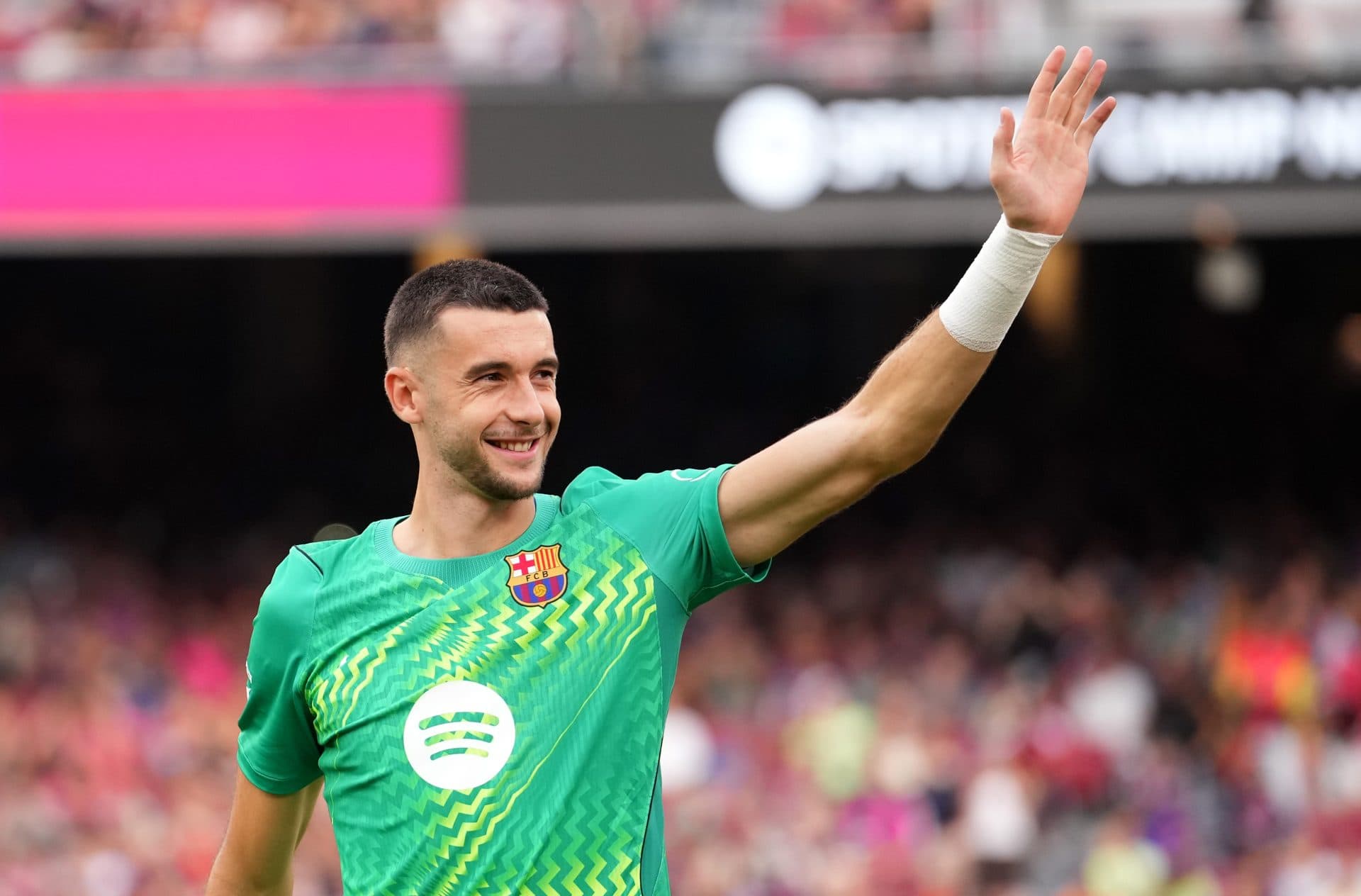
Barcelona moved quickly to calm the panic. Their first-choice goalkeeper picked up a knock in training, and club sources are adamant the problem is minor. The absence against Sevilla, they say, is nothing more than a precaution. According to a report circulating on September 17, 2026, the medical staff see no reason for alarm - no scans pointing to structural damage, no timeline stretching beyond the upcoming fixture, no suggestion of a long-term absence. For a squad grinding through a congested calendar, that framing matters more than usual.
The messaging from the club is deliberate. Barcelona insist the goalkeeper’s injury is not serious; the rest against Sevilla is only a precaution, per the report. This is load management, not a crisis - and fans who have watched Barcelona’s season wobble whenever their No. 1 is unavailable will read the update as a relief rather than a routine bulletin. No surgery talk. No specialist consultations. Just a measured pause before a tricky away trip.
Barcelona's Goalkeeper Scare: Why the Club Isn't Panicking
Let’s be clear about what a "minor knock" means inside a professional goalkeeping department. It rarely shows up on a scan. It’s a tightness, a tweak, a discomfort that a goalkeeper can often play through - until he can’t. Barcelona’s medical team, according to the report, have already ruled out anything structural, which is the single most reassuring detail in this whole story.
📊 No structural damage detected - Club sources confirm scans showed no ligament, bone, or muscle damage, ruling out any medium-to-long-term absence.
That distinction separates a scare from a saga. When a goalkeeper suffers a genuine wrist, shoulder, or hip problem, the ripple effects are brutal: diving mechanics break down, distribution suffers, and confidence drains. A two-week niggle becomes a two-month problem. Barcelona’s decision to hold him out now - before that chain reaction can start - is exactly the kind of preventive thinking that has been missing in some previous seasons.
The timing also matters. Sevilla away is never a soft landing, but it sits at the front of a demanding stretch rather than the middle of one. Rotating risk now, with a deputy who has trained all week, is cheaper than losing the No. 1 for a run of tougher fixtures later. That’s the logic behind the precaution - and it’s sound.
What "Precaution Only" Actually Means for the Sevilla Clash
The reasoning behind the rest
Calling a rest "precautionary" is not the same as calling it optional. With a goalkeeper, any discomfort in the wrist, hand, shoulder, or hip can distort diving mechanics and turn a manageable niggle into a multi-week problem. Barcelona’s call to keep him out of the Sevilla fixture suggests the staff are protecting against exactly that chain reaction - a minor issue compounded by an awkward save.
It also hints at the schedule ahead. The club have clearly weighed the cost of one match on the sidelines against the risk of a month without their first choice. When the margin is that lopsided, the decision makes itself. This is not a squad in chaos. This is a squad applying cold arithmetic to a warm problem.
Who steps in - and what it costs
The deputy goalkeeper inherits a genuinely tricky assignment. Sevilla away is rarely a comfortable night, and a stand-in keeper faces immediate pressure on crosses, set pieces, and distribution under a high press. Barcelona’s build-up play starts with the goalkeeper, so the backup must replicate that first pass or the whole structure shifts.
Here’s the thing, though: one match is a contained window. If the report is accurate, the No. 1 returns before the situation becomes a storyline, and the squad avoids the psychological drag of an open-ended injury saga. A deputy with a single game to prove himself is a manageable problem. A deputy with an indefinite run is a season-defining one.