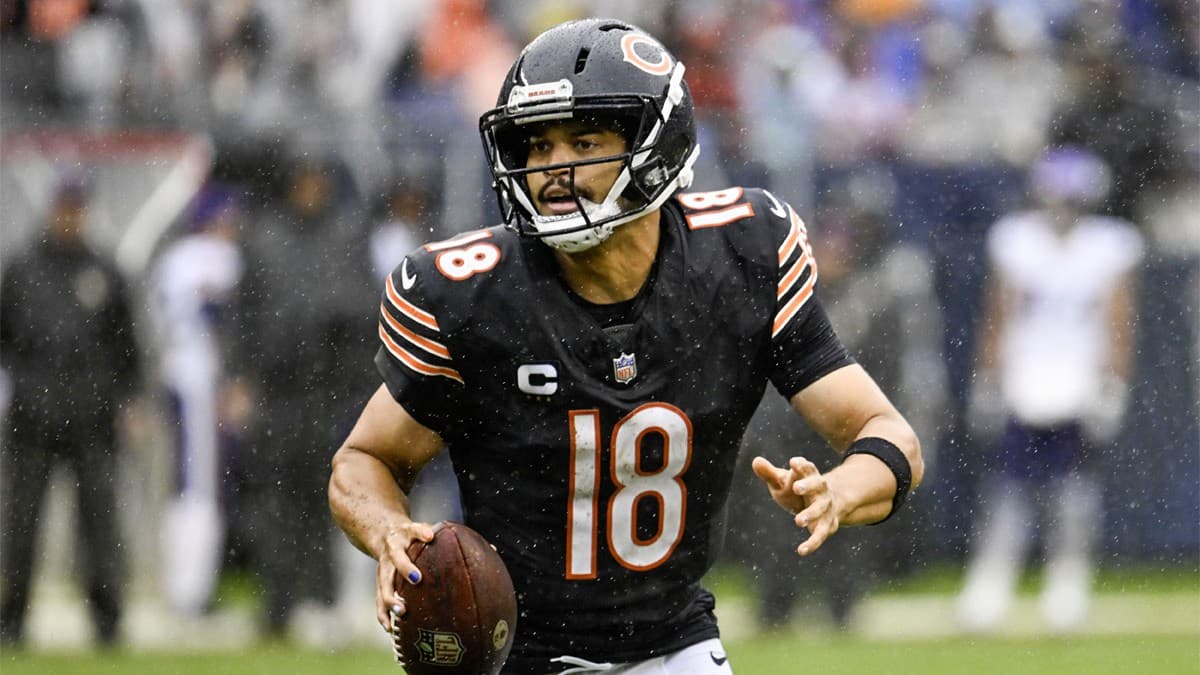
The Chicago Bears are staring down a Week 4 showdown with the Philadelphia Eagles, and all eyes are locked on the health of franchise quarterback Caleb Williams. NFL Network insider Ian Rapoport dropped a report that has the Windy City holding its breath. The timeline he laid out could shape everything about how Sunday unfolds. According to NFL.com, the report frames Williams as a genuine game-time decision rather than a settled situation - the kind of update that moves betting lines and fantasy rosters within minutes. Here's the full breakdown of what Rapoport revealed, how it impacts the game plan, and what Bears fans should realistically expect before kickoff.
What Rapoport Actually Reported
Rapoport's report centers on Williams' recovery timeline heading into the Eagles matchup. The headline for Bears fans: it's not a season-ending scare, but it's also not a clean bill of health. The timeline suggests Williams is trending in a direction that leaves his Sunday status genuinely up in the air - not locked in, not ruled out. That ambiguity is exactly why this Bears news matters so much. It reframes Chicago's entire week as a wait-and-see operation rather than a settled plan.
📊 Williams' status: game-time decision, per Rapoport - Not ruled out, not cleared - the murkiest possible outcome for a team facing an elite defense.
No firm designation came with the report. No "out multiple weeks," no "full go." Instead, it pointed to a day-to-day evaluation window, meaning the Bears will lean on practice participation and medical feedback right up to kickoff. For a quarterback who is the engine of everything Chicago does offensively, that's a massive deal.
Why the Timing Couldn't Be Worse
The Bears don't get a soft landing. Philadelphia's defense ranks among the most disruptive units in football, and asking a banged-up quarterback - or his backup - to operate against that front is a brutal assignment. If Williams is limited or sidelined, Chicago's offensive identity shifts dramatically: more reliance on the run game, quicker throws, heavier protection packages. The ripple effects touch every skill-position player on the roster.
| Scenario | Run/Pass Split | Protection | Deep Shots |
|---|---|---|---|
| Williams fully healthy | Balanced, aggressive | Standard | Frequent |
| Williams limited | Run-heavy | Max protect | Rare |
| Backup starts | Run-first | Max protect | Minimal |
Against a pass rush like Philadelphia's, a compromised quarterback is a liability - and the coaching staff knows it. That's why the contingency planning this week is just as important as the starter's rehab.
How the Bears Are Preparing for Both Scenarios
Coaching staffs don't wait for clarity - they build for contingencies. Chicago's practice week is almost certainly split between preparing Williams for a full workload and getting the backup ready to run the offense. That dual-track approach is standard in the NFL, but it's messier when the starter's availability hinges on how his body responds day to day. Every rep, every throw, every medical check becomes a data point.
The Backup Question
If Williams can't go, the Bears' ceiling drops - not because the backup can't play, but because Williams is the engine of this offense. Expect a conservative, run-heavy script designed to limit mistakes and keep the defense honest. The offensive line's protection calls become even more critical, and the tight ends will likely stay in to chip far more often. It's not pretty, but it's survival football against a top-tier front.
What This Means for the Eagles Game and Beyond
Short-term: Sunday's game plan hinges on a final medical evaluation, and Rapoport's timeline suggests we may not know until close to kickoff. Long-term: the Bears have every incentive to protect their franchise quarterback from a reaggravation that could cost them far more than one game. A cautious approach now beats a lost season later. As ESPN has noted repeatedly in similar situations, teams almost always err on the side of preservation with young franchise passers.