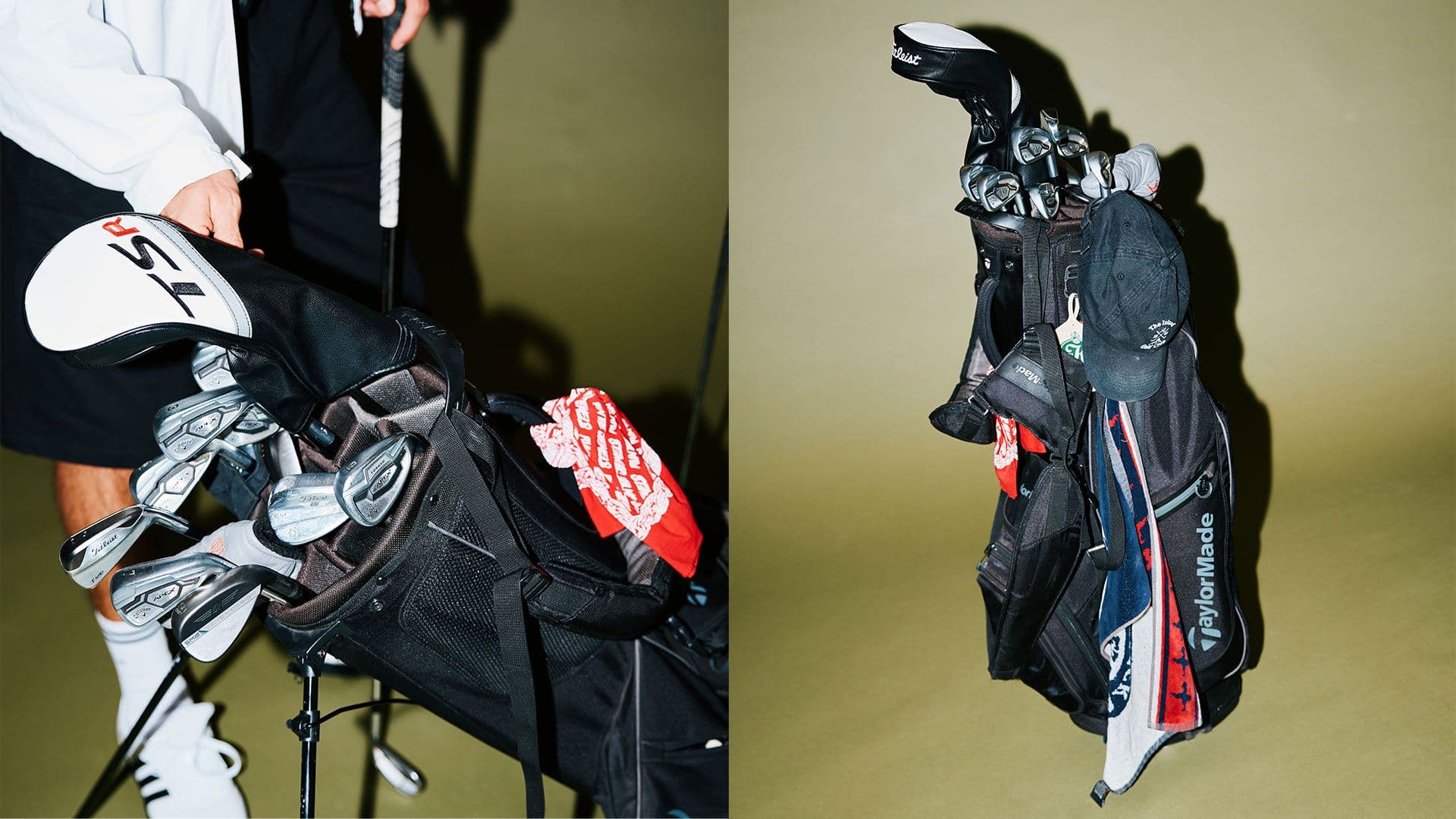
Let's be brutally honest: your handicap isn't stuck because you stopped practicing. It's stuck because your bag is quietly bleeding strokes every round. The search for the best golf clubs for shaving a few more shots off your handicap starts with one uncomfortable question - are your clubs designed to forgive your miss, or punish it?
We dug into the current gear landscape to find the clubs that genuinely move the needle for mid handicaps in 2026.
Why Your Gear Is Costing You Strokes
If your handicap has been parked in neutral for two seasons, the problem might not be your swing. It might be what's in your bag. The gap between what your clubs should do and what they actually do on your worst swings is where strokes quietly leak away. A slightly fat approach. A toe-side driver miss. A wedge that digs when it shouldn't. Forgiving, modern game-improvement gear is engineered to shrink those mistakes into something recoverable instead of something round-ruining.
Here's what the marketing departments won't tell you: "buy new clubs" isn't a magic fix. The real gains come from matching the right category of club to the specific miss patterns costing you shots - dead-hands chips that roll eight feet past the hole, drives that find the trees instead of the first cut, irons that come up short on a clean strike.
📊 Roughly 60% of amateur golfers play with clubs not fitted to their swing - a mismatch that costs the average mid handicap several strokes per round in avoidable dispersion.
The gear below isn't chosen because it's the newest thing on the rack. It's chosen because each piece targets a miss you're probably already making.
The Clubs That Actually Move the Needle
Drivers: Buy Forgiveness, Not Distance
At the handicap range where most players stall out, a driver that squeezes out three extra yards off a perfect strike is worth almost nothing. You don't hit enough perfect strikes for it to matter. What matters is the off-center hit that still finds the fairway.
That's why the game-improvement and max-forgiveness driver category leans hard on high MOI (moment of inertia) designs and adjustable perimeter weighting. Move the weight low and to the back, and your heel or toe miss spins less off-line. Non-negotiable features for this goal:
- A draw or fade bias adjustment to fight your specific slice or hook
- A slightly higher loft (10.5° - 12° for most mid handicaps)
- A stock shaft that fits your tempo - not a tour-stiff profile you can't load properly during a round
Table: Driver Spec Priorities by Handicap Band
| Handicap Band | Ideal Loft | Priority Feature | Typical Miss to Target |
|---|---|---|---|
| 10 - 14 | 10.5° - 11.5° | Adjustable bias weighting | Toe-side slice |
| 15 - 20 | 11° - 12° | Max MOI, rear weighting | Heel fade, low strike |
| 20+ | 12° - 13.5° | High launch, lightweight shaft | Thin, low-spin knuckleball |
Irons: The Case for Game-Improvement Over Blades
Blades feel incredible and teach you nothing about scoring. Game-improvement and player's-distance irons - the forgiving, hollow-body and cavity-back designs dominating this category - are built with a wider sole, a lower center of gravity, and a hotter face. That combination produces two things handicap golfers desperately need: higher launch on thin strikes and more ball speed retention on mishits.
Look for irons with a moderate offset, a sole width that plays well from your typical turf conditions, and a set makeup that includes forgiving long irons or hybrids at the top of the bag. If your 4-iron is the least-used club in your bag, replace it with a hybrid. You'll likely gain a stroke a round just from the shots you stop losing.
📊 Golfers who switched to hybrid long irons reported averaging one fewer lost ball per round - fewer penalty strokes means a lower score without changing your swing.