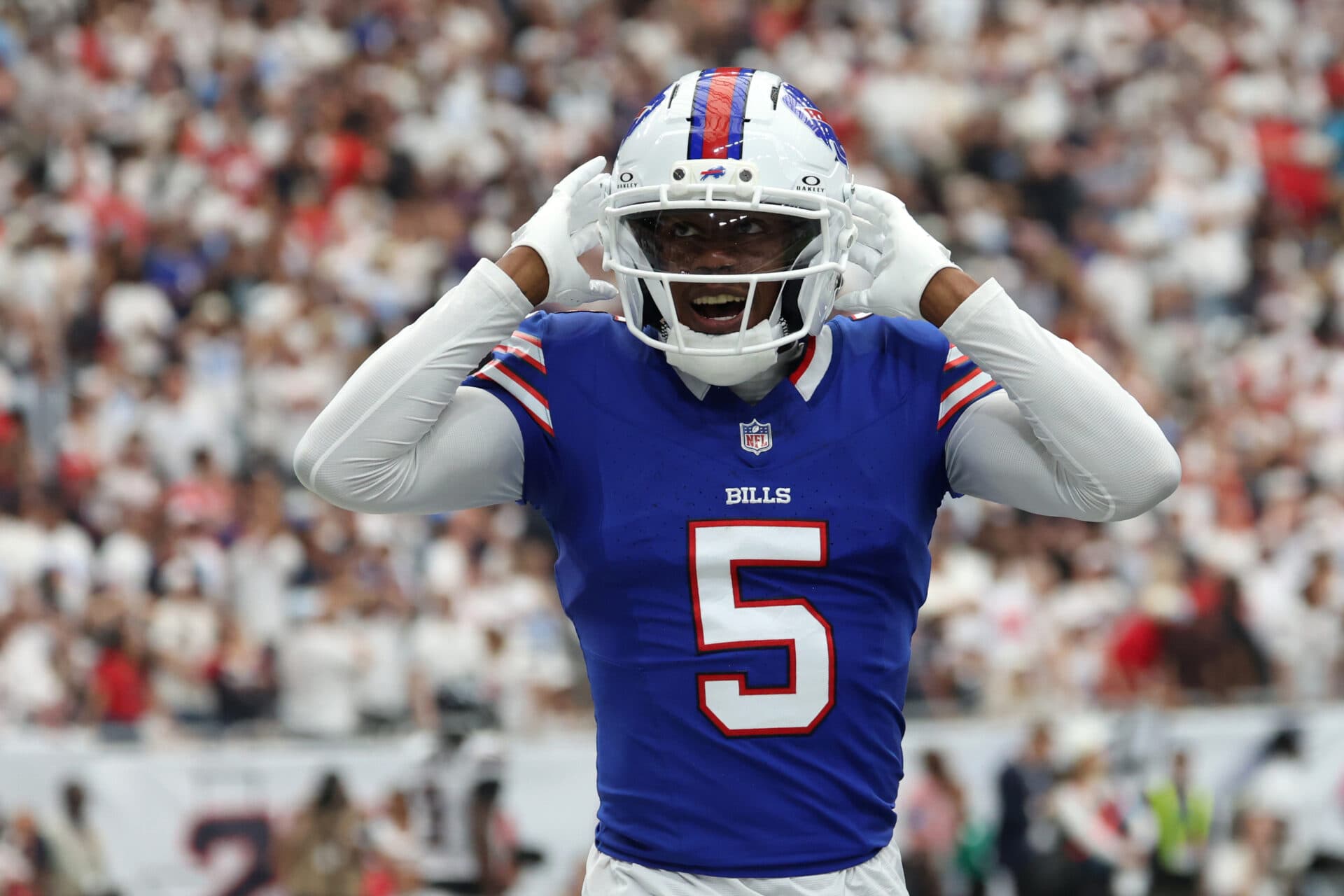
The Buffalo Bills' passing attack just took a punch to the gut. The timing? About as bad as it gets.
Days before a heavyweight showdown with the Los Angeles Rams, Buffalo's wide receiver corps has been rocked by injuries that threaten to reshape the entire offense. Head coach Sean McDermott confirmed the damage during his Friday press availability, and the team's official injury report painted a grim picture heading into the weekend.
According to the Bills' injury report, Buffalo will be without its top two wide receivers for Sunday's kickoff against Los Angeles. The injuries strip Josh Allen of his most trusted downfield weapons at the worst possible moment - the Rams game opens a brutal stretch of the schedule that could define Buffalo's entire season. In a loaded AFC where every win matters for playoff seeding, the Bills can't afford to stumble at home.
"The next man up mentality has to be real," McDermott told reporters. "Nobody's going to feel sorry for us. We've got a locker room full of guys who are ready to answer the bell."
It's the kind of gut punch that turns a routine week of preparation into a full-on offensive emergency - and the Bills WR room takes major hit before Rams game storyline is now the biggest talking point in Buffalo.
How the Bills' Offense Adjusts Without Their Top Targets
Josh Allen's Options - and the Next Men Up
So who's left? The answer starts with third-year slot specialist Khalil Shakir, who suddenly becomes Allen's most reliable target and could push toward double-digit catches. Expect rookie depth receivers and practice-squad promotions to get real snaps - not just special-teams scraps.
Tight end Dalton Kincaid is the obvious beneficiary. He'll see a massive target spike as Buffalo shifts toward heavy 12 personnel, keeping two tight ends on the field to create mismatches underneath while protecting a thinner receiver group.
📊 Kincaid's targets could jump by 40-50% from his season average - with the top two receivers sidelined, the tight end room becomes Allen's safety valve and chain-mover.
Offensive coordinator Joe Brady has options: more play-action behind James Cook, heavier run concepts, and designed quarterback runs to keep the Rams' front seven honest. The Bills may also lean on a quick passing game - screens, slants, and option routes - to neutralize Los Angeles' pass rush before it gets home.
| Role | Player | Projected Usage |
|---|---|---|
| WR1 | Khalil Shakir | High-volume target share |
| TE1 | Dalton Kincaid | Red-zone and third-down focal point |
| RB | James Cook | Checkdowns and screen game |
| Depth WRs | Next men up | Rotational, matchup-based snaps |
Matchup Problem: Facing the Rams' Secondary Short-Handed
Here's the brutal truth: the Rams' defensive backs know exactly what's coming.
With Buffalo's receiver room thinned out, Los Angeles can press Shakir at the line, double Kincaid over the middle, and dare the Bills' depth receivers to beat man coverage. Expect more blitzes, tighter coverage windows, and a Rams secondary playing with its ears pinned back.
The silver lining? A compromised passing game might force Buffalo into exactly what it does best - a physical, clock-chewing run game that keeps Matthew Stafford and the Rams' offense off the field. If the Bills can control time of possession and win the turnover battle, they can steal this one ugly.
What This Means Going Forward for Buffalo
Short-Term Pain, Long-Term Questions
Lose this game, and the Bills could slide in a crowded AFC playoff race where tiebreakers are currency. Every divisional and conference loss stacks up - and Buffalo's margin for error shrinks by the week.
Then there's the recovery timeline. Depending on the severity of the injuries, Buffalo's top receivers could miss multiple games - or, in a worst-case scenario, significant chunks of the season. The Bills' medical staff will be under the microscope, and the front office may need to move fast.