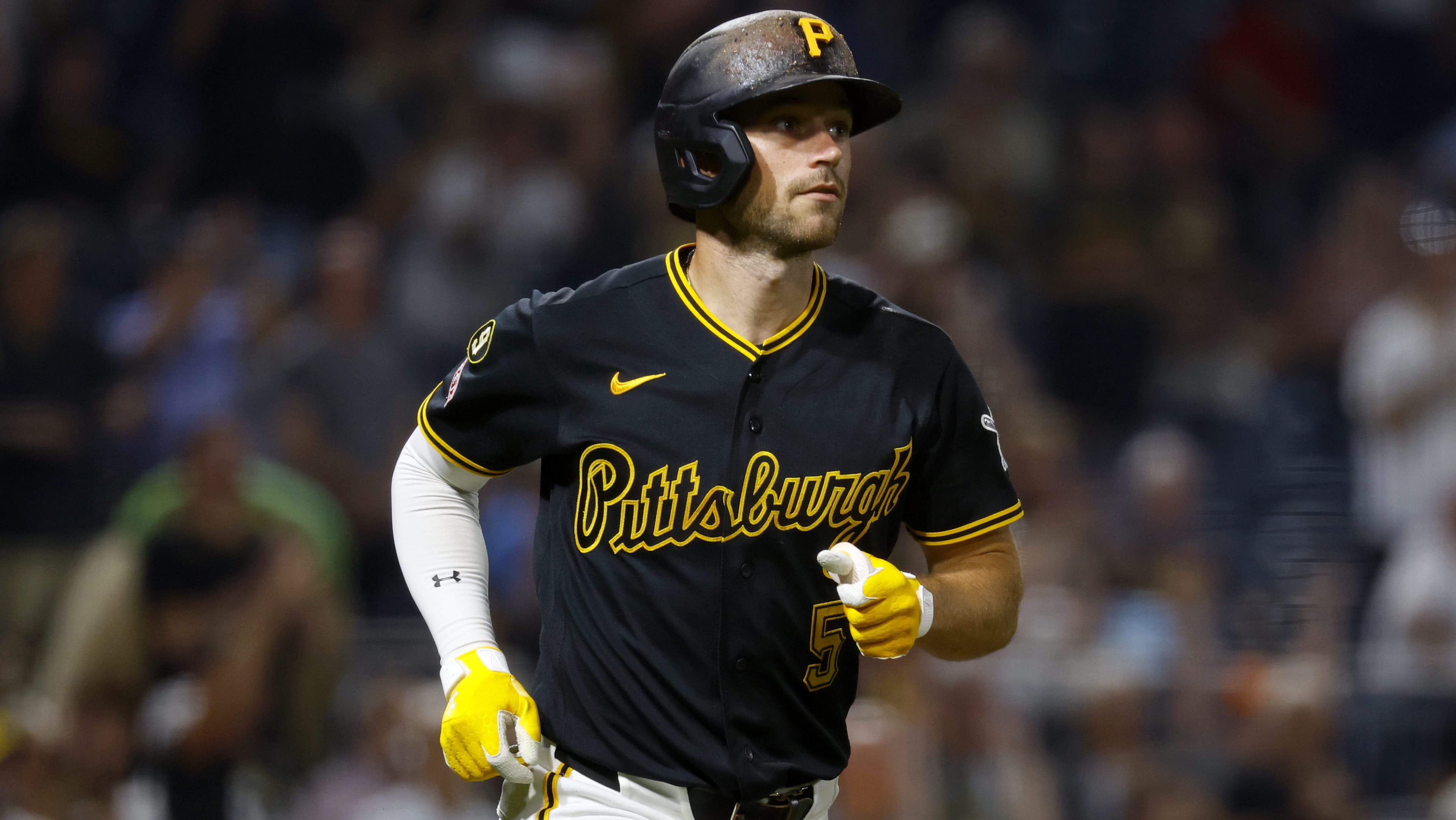
Why This Story Matters for the Pirates
A productive middle infielder publicly signaling he's open to staying in Pittsburgh. Pirates fans aren't used to reading sentences like that. This franchise has spent years cycling through rentals and short-term fliers, so the mere idea that Brandon Lowe Open to Pirates Extension talks could materialize flips the usual script on its head. It suggests the club's pitch - the ballpark, the roster direction, the defined role - actually landed with a veteran who has options.
That's the headline. The subtext looms larger. Pittsburgh has watched star-caliber talent walk out the door for two decades. So when a player with real left-handed thump says he'd listen to an extension offer, it signals that the organization's competitive window pitch is being taken seriously inside the clubhouse - not just in the front office's press conferences.
The Context Around Lowe's Career Arc
Lowe's reputation precedes him: left-handed pop from second base, an on-base track record, and the kind of veteran steadiness a young clubhouse craves. He is exactly the profile Pittsburgh has historically struggled to retain. That's what makes his openness notable - and it makes the follow-up question the real story: does the front office actually want to pay to keep him?
This is where the fan base should pay close attention. Extension interest from a player is only half the equation. The Pirates have a long history of letting market-rate opportunities pass. If the front office sees Lowe as a bridge bat for the next young core, talks move fast. If they see him as a luxury, this story evaporates by October.
📊 A left-handed-hitting middle infielder with consistent on-base skills - the exact offensive profile Pittsburgh has repeatedly failed to keep long-term, making this report rare territory for the franchise.
What an Extension Would Actually Require
The Money Question
Any deal starts with term and average annual value. A player with Lowe's skill set typically commands a multi-year commitment with a club option attached - the Pirates' preferred structure. The real leverage point: whether Pittsburgh pays market rate or asks for a discount in exchange for stability and no trade drama.
Fans should think in tiers rather than exact numbers. A short guarantee with a club option protects the team. A longer guarantee with a no-trade clause protects the player. The sweet spot for both sides usually lands on three to four years with an option year - enough security for Lowe, enough flexibility for a small-market payroll.
Fit and Roster Timeline
The smartest framing for fans: an extension only makes sense if Lowe's timeline overlaps with Pittsburgh's competitive window. If the young core is arriving, locking in a proven bat protects the lineup and takes pressure off developing hitters. If not, the same deal looks like paying for wins that never come.
Timing is everything here. Locking in a veteran one year too early is a bargain. One year too late is a sunk cost. The Pirates' front office has to read its own farm system honestly - and history says that's the hardest part of the job.
What Could Sink It
Three friction points to watch - length of commitment, no-trade protection, and whether either side leaks frustration into the press. Extension talks that go quiet in September rarely revive in a tidy way. Watch for the language shift: "ongoing dialogue" is good, "no comment" is not.
| Issue | Team Preference | Player Preference |
|---|---|---|
| Guaranteed years | Shorter term + club option | Longer guaranteed term |
| Average annual value | Discount for stability | Market rate |
| No-trade protection | Minimal or none | Full or partial clause |
| Opt-outs | None | Player-friendly option year |
What to Watch Next
Ignore aggregate rumors and watch primary sources. MLB Trade Rumors maintains a dedicated extension tracker that logs confirmed talks by date, and it's the cleanest single reference point for fans following this story.