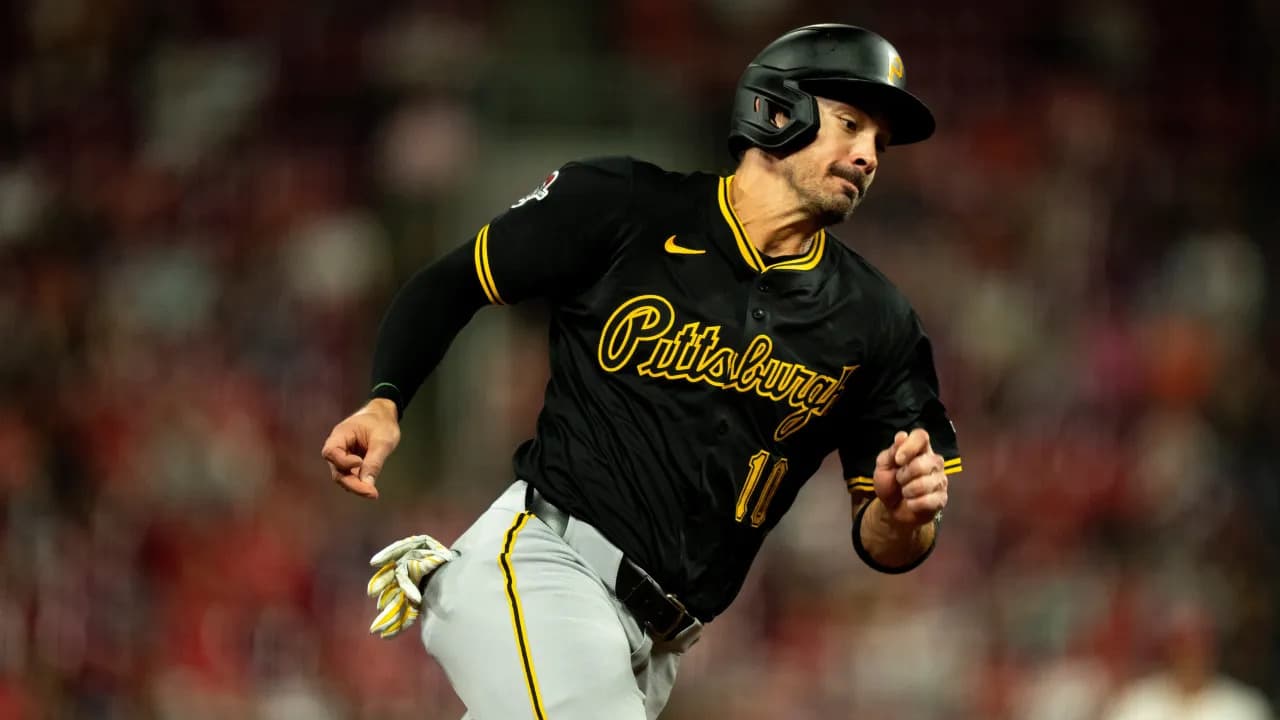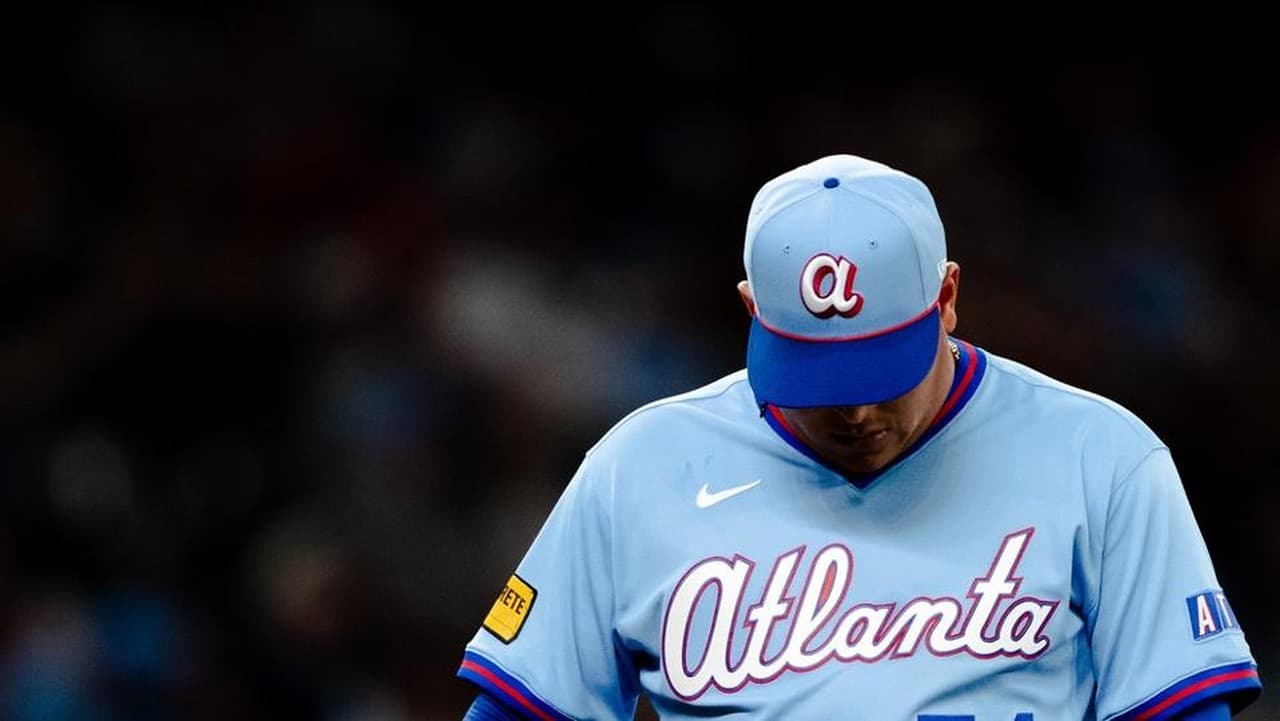
The transaction wire doesn't care about your service time. On November 25, 2026, that cold reality hit home when the Braves cut ties with a veteran utility man after a third straight season of declining production. Within hours, the 31-year-old made it official: eight years of major league baseball, and he's walking away. This Braves Castoff, 8-Year Veteran Leaves MLB After Latest Cut storyline isn't the feel-good farewell you'll see celebrated on highlight reels. It's the other side of the game - the one where the roster math always wins.
For a fan base that's watched Atlanta contend year after year, the move registers as a footnote. For the player, it's the end of a road that started as a long-shot minor league signing and stretched across nearly a decade of big-league paychecks.
The Final Cut: Inside the Roster Move That Ended an 8-Year MLB Career
A Decision Months in the Making
The end didn't come with a press conference or a ceremony - it came as a routine 40-man roster shuffle. Atlanta's front office cleared space ahead of what promises to be an aggressive offseason, and the veteran's name was simply the one that came up. He'd arrived in Atlanta as a depth piece, expected to fill in across the infield and outfield, but the fit never clicked. Injuries interrupted his first spring, and by the time he found regular at-bats, the club's priorities had shifted to younger, cheaper options.
The numbers told the story before the transaction did. A player who once posted a league-average OPS with sneaky pop had seen his hard-contact rate slide for three consecutive seasons. His plate discipline stayed respectable - he was never a big strikeout guy - but the bat speed that made him useful had softened. In a Braves lineup built to punish mistakes, his quietly competent at-bats weren't enough anymore.
> 📊 Eight MLB seasons - a career most first-round picks never even sniff, and one this veteran earned the hard way.
What Made Him Valuable
Make no mistake: eight years in the majors isn't a fluke. This is the resume of a survivor. He played every infield position except catcher and first base, moonlighted in left field, and stayed ready whether he was starting four games in a row or riding the bench for two weeks straight. Clubhouse guys rave about players like this - the ones who show up early, work with rookies, and never make a roster decision harder than it has to be. His defensive versatility was his superpower: a manager could plug him in anywhere and not lose a wink of sleep.
But the league has a way of finding the cliff, and for this veteran, it arrived on schedule.
The Long Road: What Eight Years in the Show Actually Look Like
More Suitcases Than All-Star Bids
The career timeline reads like a travel itinerary. Multiple organizations, multiple fresh starts, multiple "this is the year it clicks" springs. He was the classic post-hype depth piece - good enough to keep finding work, never quite good enough to stop worrying about the next cut. That's the reality for the vast majority of big leaguers, and it's worth pausing on.
> 📊 Service time of eight full seasons - enough to qualify for a lifetime pension, earned one 26-man roster spot at a time.
Every one of those seasons required surviving spring training competitions, waiver claims, and the phone call that can end a career overnight. He'd been cut before - designated for assignment, outrighted, re-signed on minor league deals - and he always bounced back. That resilience was the whole story.
Why This Cut Stuck
What felt different this time? Timing, mostly. Clubs are hoarding 40-man roster flexibility like it's gold, and 31-year-old role players on guaranteed money are the easiest names to move. When the latest call came from Atlanta's front office, there was no soft landing waiting in Triple-A and no contender desperate for depth in December. The market had spoken.
> 📊 Three straight seasons of declining production - the trend line that made this roster decision feel inevitable rather than surprising.