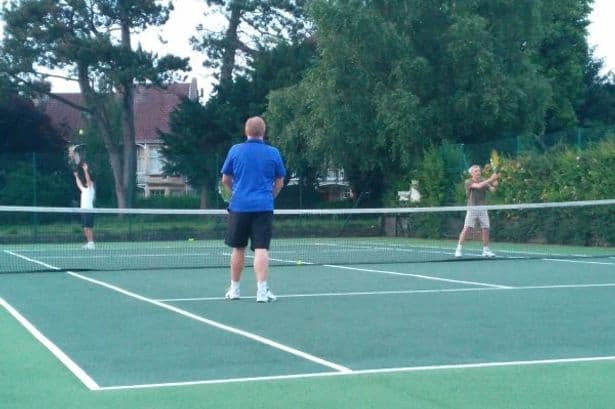
The nets are up. The courts are marked. But the biggest battle in South Bristol tennis isn't being played out with rackets - it's unfolding in the council chambers. A beloved park tennis club in the Bedminster/Southville area has formally thrown down the gauntlet against Bristol City Council, vowing to fight a proposed lease handover to a private operator. With over 500 adult members and 200 local kids in weekly coaching programs, this isn't just a club - it's a community institution staring down an existential threat.
](url)
The Heart of the Conflict: Affordability vs. Revenue
At the core of this dust-up sits a classic civic dilemma: how do you fund public park maintenance without pricing out the very community it serves?
Bristol City Council's plan is straightforward - outsource the management of the park's tennis courts to an external tennis management company. The pitch? Generate much-needed revenue to prop up park upkeep budgets strained by years of austerity. The private operator model promises efficiency, commercial expertise, and a steady income stream.
The club sees it differently. They view it as a gut punch to affordable, accessible tennis.
Right now, casual players can book a court for roughly £5 - £6 per hour. That's a steal in today's cost-of-living climate. The club's projections, drawn from the council's own tender documents, suggest those same fees would skyrocket by 40 - 50% under a private operator - landing at £9 - £10 per hour.
For a community where tennis has historically been a working-class sport, that's not simply an inconvenience. It's exclusion.
The club's formal appeal, lodged with the council and covered prominently by BBC News on July 29, 2026, argues that the commercial model would slash casual play and prioritize profit over participation. They're not just protecting their own turf; they're fighting for every weekend warrior and after-school kid who calls these courts home.
📊 £5 - £6 per hour current court fees vs. projected £9 - £10 under private operator - A 40 - 50% price hike the club says would price out casual players and local families.
The Numbers Tell the Story: A Club That Delivers
Here's where the club's case gets punchy. The committee didn't just submit an emotional plea - they came armed with receipts.
- 500+ active adult members who pay their dues and keep the lights on.
- 200+ primary school children cycling through coaching programs every single week.
- A pricing structure that keeps tennis accessible in a city where private club memberships can run into the hundreds of pounds annually.
| Metric | Figure | Context |
|---|---|---|
| Active adult members | 500+ | Paying annual dues, sustaining club operations |
| Weekly junior coaching participants | 200+ | Local primary school children, free or subsidized |
| Casual court hire (current) | £5 - £6/hour | Affordable, pay-as-you-play access |
| Projected casual court hire (private operator) | £9 - £10/hour | 40 - 50% increase per club's tender analysis |
These figures form the backbone of the club's formal complaint to Bristol City Council. The argument is simple: why fix what isn't broken? The club already delivers community engagement, grassroots participation, and affordable access - all without draining the council's coffers.
The council's "best value" assessment, due for completion before any final decision in late September 2026, will be the battleground. The club is daring the council to prove that a private operator - with higher fees and a commercial mandate - can match their community impact.
It's a bold stance, and the club's committee isn't mincing words. They've publicly stated they're "up for a fight," and they're mobilizing their 500-strong membership and the wider Southville/Bedminster community to back the appeal.
(url)
What's Next: The Waiting Game
As of August 6, 2026, the situation sits in a tense holding pattern. No public rallies are scheduled. No emergency council meetings loom on the agenda. Just the quiet, grinding machinery of local government reviewing appeal documents.
Bristol City Council has confirmed receipt of the club's objection and insists the final call on the lease won't land until at least late September. That gives the club roughly seven weeks to press their case, rally public opinion, and pray the "best value" assessment lands in their favor.