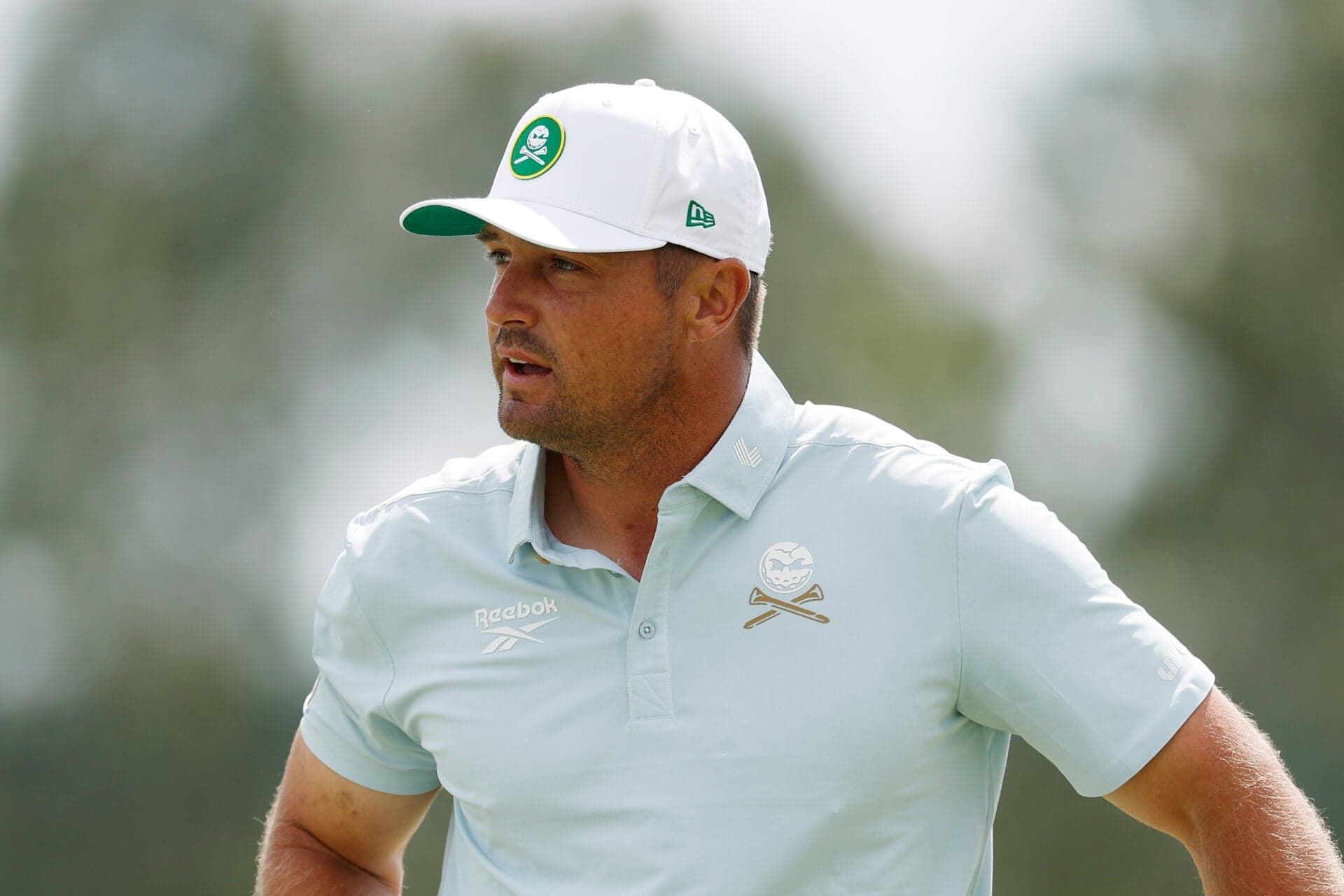
July 29, 2026 - Two years ago, Bryson DeChambeau stepped to a microphone and called the golf ball rollback “the most atrocious thing for the game.” He predicted doom. Elite players would never accept it, he said. Scoring would become unwatchable. The rule would wreck professional golf. Fast forward to mid-2026, and the reality on the PGA Tour tells a very different story. Bryson DeChambeau’s comments on the golf ball rollback are being proven nonsense by situation on the PGA Tour - backed by data, the Tour’s own choices, and even the silence from LIV Golf.
Let’s break it down.
The Rollback Hasn’t Even Started - Yet DeChambeau’s Doomsday Predictions Are Already Falling Apart
DeChambeau’s 2023 rant painted the rollback as an existential crisis. He called it a punishment for the game’s biggest hitters. Here’s the catch: the rollback doesn’t take effect until 2028. That’s still two years away. Yet the PGA Tour hasn’t cratered. The world hasn’t ended. Scores stay historically low, and the “bomb-and-gouge” era remains alive and well.
Through July 2026, driving distance averages on the PGA Tour sit at 304.8 yards - virtually identical to the 2023-2024 window. Scoring averages hover around 70.2, the same low numbers that sparked the original rollback debate. If DeChambeau was right that the rollback was unnecessary, you’d expect some natural correction. Instead, the opposite happened: the Tour keeps getting longer, and the ball keeps flying. The USGA and R&A’s argument - that the modern ball turns 7,500-yard courses into pitch-and-putt - gets validated daily.
DeChambeau’s “most atrocious thing” now looks like a wildly overblown rant. The game hasn’t broken. Stars remain under par. The real nonsense? Believing his predictions without checking the scoreboard.
PGA Tour’s Strategic Pivot Exposes DeChambeau’s Isolation
The strongest evidence against DeChambeau’s position comes from the PGA Tour’s own about-face. In 2023, the Tour voted against the Model Local Rule (MLR) and refused to adopt the original 2026 date. By June 2024, they agreed to adopt it for 2028 - a full reversal that undercuts every word DeChambeau said about elite players rejecting it. The Tour didn’t just accept the rollback; they embraced it as the only path forward for course sustainability and competitive integrity.
Then there’s LIV Golf. DeChambeau now plays on a circuit that has still not announced adoption of the MLR. That silence is deafening. If the rollback were truly “atrocious,” wouldn’t LIV fight it publicly? Instead, they say nothing - because for them, it’s a non-issue. DeChambeau’s criticism now reads less like a principled stand and more like a self-serving jab at the Tour he left. Bryson DeChambeau’s comments on the golf ball rollback are being proven nonsense by situation on the PGA Tour precisely because the Tour moved toward the rule while he stayed frozen in 2023 opposition.
Check out our analysis of how the PGA Tour’s 2024 decision changed the rollback timeline and the growing consensus among players who once opposed it.
The Real “Nonsense”? DeChambeau’s Failure to Address the Core Issues
DeChambeau argued that punishing the ball wouldn’t fix pace of play or course length. He was right about one thing: those issues remain. But that’s not an argument against the rollback - it’s an argument for additional reforms. The problems he highlighted still hang over the 2026 season: 5-hour rounds, 7,600-yard layouts that cost millions to maintain. Yet the rollback is the one tool that actually addresses the root cause: the ball outgrowing the course.
Pace-of-play data from 2026 shows round times haven’t improved - they still average 4 hours 42 minutes on Thursdays. But the rollback wasn’t sold as a silver bullet for pace. It was sold as a necessary correction to preserve testability. DeChambeau’s opposition offered no alternative. He said the ball wasn’t the problem, but the data says otherwise: scoring at 70.2 with distance averages over 300 yards is historically unprecedented. Without the rollback, you’d need courses of 8,000 yards to challenge pros. That’s not sustainable.
In other words, the situation on the PGA Tour actually supports the USGA’s position. Bryson DeChambeau’s comments on the golf ball rollback are being proven nonsense by situation on the PGA Tour because the very trends he claimed didn’t exist are the ones forcing the rule. The Tour’s low scores and unchanged distance averages are the strongest argument for the rollback - not against it.