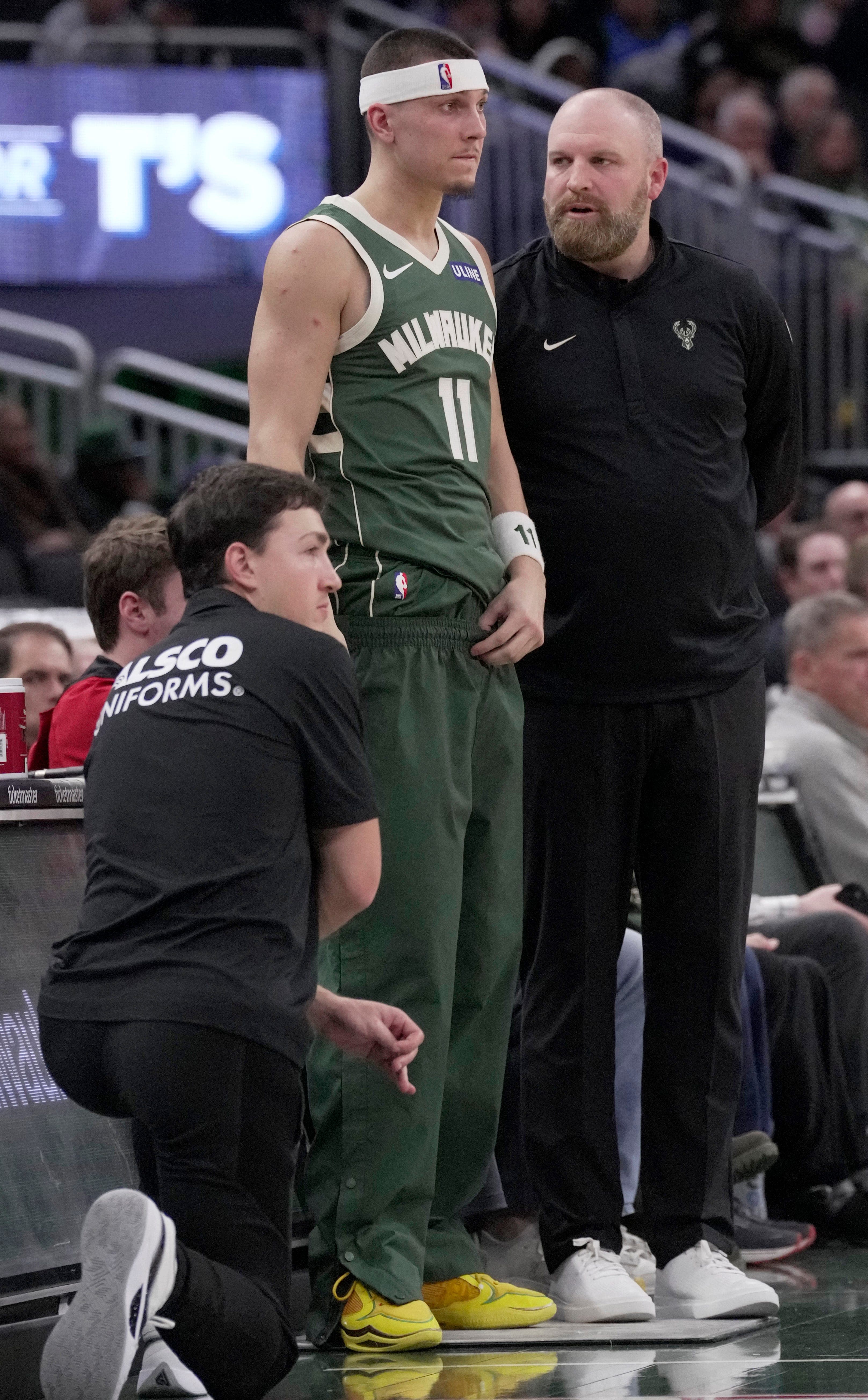
The Milwaukee Bucks have cruised through the early portion of the schedule with their rotation largely intact. That changes tonight. For the first time this season, Milwaukee heads into a matchup with real question marks on the injury report - and the basketball gods have lousy timing, because the New York Knicks are waiting at Madison Square Garden. Bucks vs. Knicks, Milwaukee faces injury concerns for first time - and suddenly this early-season stop in New York feels a whole lot heavier than it did a week ago.
Let's be clear about what we know and what we don't. Start with the league's official injury report - the NBA's daily document published ahead of every game, the one that uses standardized designations (Out, Doubtful, Questionable, Probable) so fans, media and opposing coaches are all reading from the same page. Per the NBA's official injury report, those designations carry real weight. "Out" is final. "Probable" is a near-lock to play. It's the messy middle - Doubtful and Questionable - that keeps coaches up at night.
For the first time all year, Milwaukee is living in that messy middle. The ripple effects are what matter: when a starter's minutes are in question, the bench gets stress-tested on both ends. On defense, rotations get a step slow - the help defender arriving late, the closeout coming up short. On offense, the spacing that makes Milwaukee's attack hum can tighten up when the supporting cast is asked to do more than it's used to. And the Knicks, who've been grinding through their own schedule, know exactly what a short-handed opponent at MSG looks like: an opportunity, gift-wrapped.
Knicks Sense an Opportunity at Madison Square Garden
Flip the lens to New York, and the vibe is different. A banged-up Bucks squad walking into the world's most famous arena is precisely the scenario Tom Thibodeau's staff circles on the schedule - and the Garden faithful knows it. New York's identity is built on pressure: physical on-ball defense, aggressive help, forcing turnovers and turning them into transition points. Against a Milwaukee team searching for rotation answers, that pressure becomes a weapon.
The matchup chessboard gets interesting fast. If the Bucks are thin in the frontcourt, expect New York to hammer the paint - post touches, offensive rebounds, second-chance points. If Milwaukee's backcourt is compromised, the Knicks' pressure defense ramps up a notch, daring ball-handlers to make quick decisions under duress. Either way, the tactical blueprint writes itself: attack the weakened spot, force the supporting cast to beat you, and let the home crowd do the rest.
> 📊 The NBA's official injury report is published daily ahead of every game - standardizing designations league-wide so no team gets an informational edge.
Here's the thing: the Knicks have to actually convert. MSG plus a hobbled opponent is a recipe, not a result. New York's early-season consistency has been a talking point all year, and this is the kind of game a contender handles - no drama, no letdown, just business. For more on how these two franchises have matched up over the years, check our archive of Bucks vs. Knicks coverage.
Three Keys to Watch - and What a Bucks Win (or Loss) Would Signal
1. Milwaukee's bench depth gets stress-tested. This is the first real look at whether the supporting cast can hold the line for extended minutes. If the reserves answer the bell, Milwaukee's front office sleeps easier and the league takes notice.
2. New York's home-court edge. MSG is worth points on its own. Combine it with a short-handed opponent, and the Knicks have to convert. No excuses, no slow starts.
3. The early-season narrative swing. A gutsy shorthanded win in New York says everything about Milwaukee's resilience and depth. A flat loss says something else entirely - and the injury question marks suddenly loom larger.