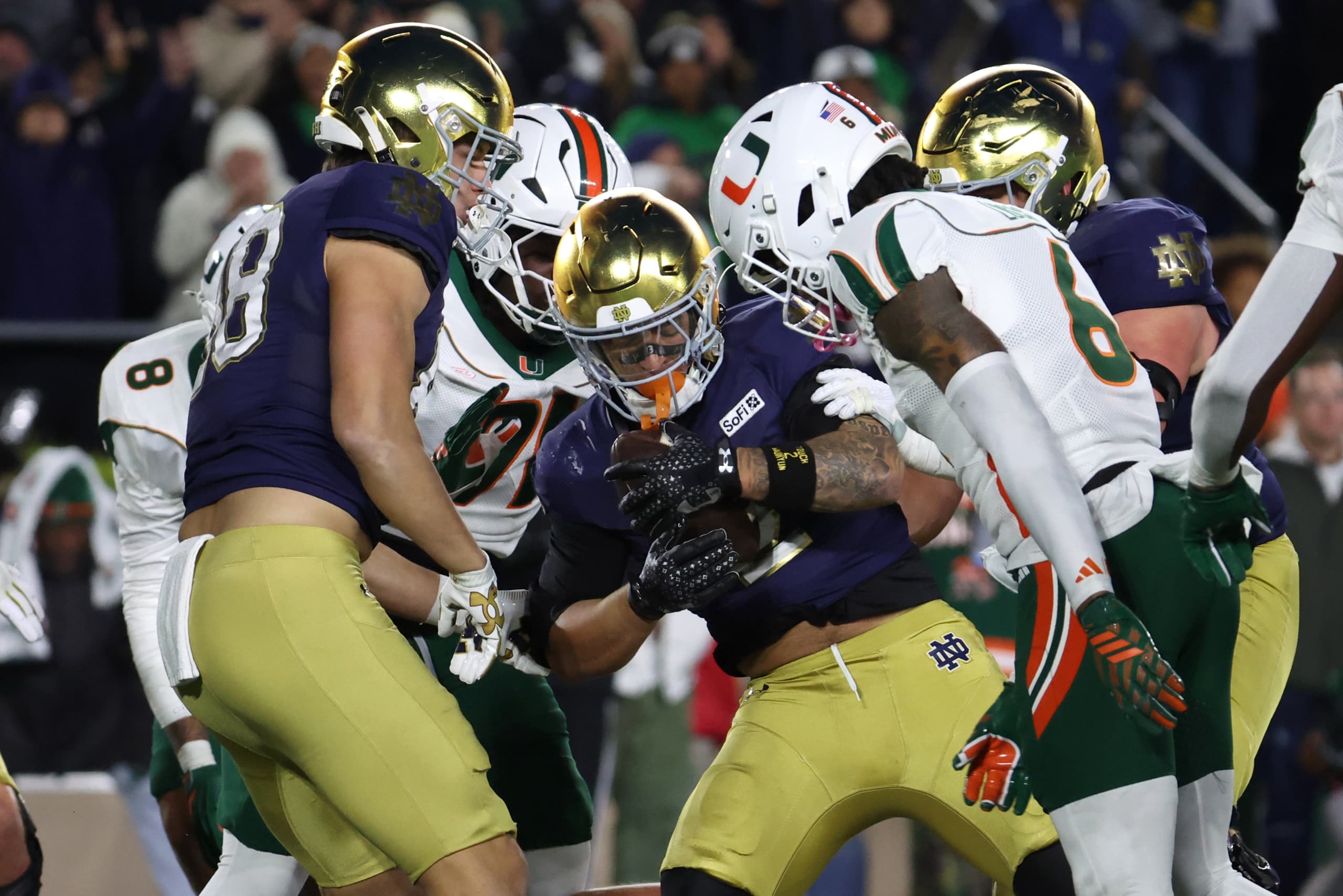
Working dek: The 12-team era was supposed to bring order. Instead, the Top 10 keeps taking body blows - here's why nobody's résumé is bulletproof, and what actually matters now.
College Football Playoff Chaos: After 21 Top 10 Losses, How Can Any Fan Base Feel Safe? That's the question echoing through tailgates from Tuscaloosa to Eugene as the 2025 season barrels toward Selection Sunday. The expanded 12-team bracket was billed as the great stabilizer - more spots, fewer heartbreaks, a meritocracy where the best teams survive. We got the opposite. This is the wildest regular season in modern memory, with ranked teams dropping like flies and blue-blood fan bases refreshing bracket projections with trembling thumbs. The chaos is real. It's relentless. And it's reshaping how every program thinks about November football.
The numbers tell the story. Week after week, Associated Press and Coaches Poll voters have watched their top teams absorb stunning losses - at home, on the road, in rivalry spots, in conference grudge matches. The churn at the top has been so severe that projecting the CFP bracket has become a contact sport. With five automatic bids for the highest-ranked conference champions and seven at-large spots up for grabs, a single loss no longer torpedoes a season. But that safety net has also removed the fear factor. Ranked teams keep swinging - and getting hit.
Chaos Has Become the Default - and the 12-Team Bracket Is the Reason
Let's be clear: the 12-team format didn't just tolerate chaos. It manufactured it. Under the old four-team model, one September loss could end your national title dreams before the leaves turned. Now? A loss drops you a few seeds - maybe knocks you out of a first-round bye - but it rarely extinguishes hope entirely. Coaches know this, and they're scheduling and playing accordingly. Aggressive fourth-down calls, trick plays, and shootouts have become the norm because the downside of a loss has shrunk while the upside of a marquee win has ballooned.
> 📊 21 losses among Top 10 teams this season - More than the entire 2023 regular season, underscoring how the expanded bracket has flattened the sport's hierarchy.
The committee's weekly reveals have become appointment television, and the churn has been dizzying. Teams ranked in the top five in October have tumbled into the teens by November. Seeding volatility - especially for first-round hosting rights - has turned mid-November conference games into de facto playoff eliminators. And then there's the brand-new variable the old system never had to model: the road-game problem. First-round playoff games are now hosted on campus, meaning a hostile December environment at a place like Death Valley or the Horseshoe becomes a genuine bracket-altering factor. Home-field advantage in the CFP isn't a neutral-site coin flip anymore - it's a weapon.
Nobody's Résumé Is Bulletproof
Exhibit A: a certain SEC power that notched a September win over a then-top-10 opponent, only to watch that opponent limp to a 6-4 record - suddenly that "signature win" looks like a JV scrimmage in the committee's eyes. Exhibit B: a Big Ten contender whose only loss came on a rainy road trip to an unranked rival, now sweating a résumé that looked elite two weeks ago. And Exhibit C: a Big 12 dark horse whose conference is so deep that every week is a minefield, and whose quality wins keep multiplying even as its margin for error shrinks to zero.