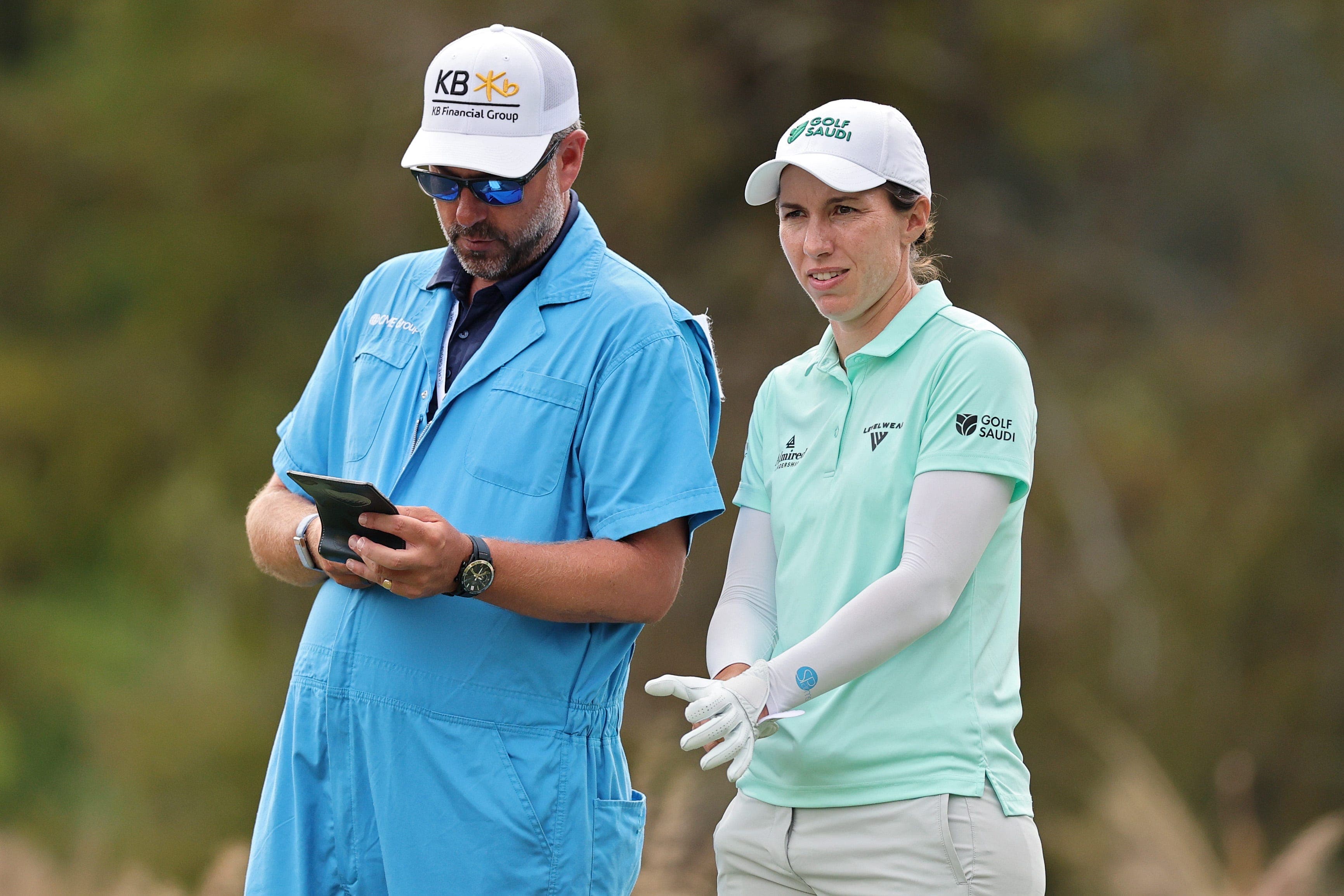
The LPGA has officially turned up the heat on slow play. This week, the tour unveiled its most aggressive pace-of-play framework to date - complete with stricter timing thresholds, escalating fines, and the looming threat of stroke penalties for repeat offenders. The message is clear: the LPGA wants faster rounds, happier broadcast partners, and a better fan product. And leave it to Carlota Ciganda - one of the tour's most candid and respected voices - to weigh in on what it all means for the players living under the shot clock. When Carlota Ciganda weighs in on the new LPGA pace of play policy, the golf world listens. Here's everything you need to know about the rules, the reaction, and the road ahead.
The Policy at a Glance: What the LPGA Changed
Let's break down the mechanics. Under the new framework, groups are timed from the moment they're cleared to play, with each group expected to stay within its assigned time par - the target time to complete a round. Players who exceed their allotted time receive an initial warning, followed by financial penalties that escalate with each subsequent infraction. The nuclear option - a one-stroke penalty - remains on the table for repeated violations or egregious delays. Enforcement falls to LPGA rules officials stationed with each group, empowered to issue "bad times" when a player exceeds the permitted time to play a shot.
This isn't the LPGA's first rodeo on pace of play. The tour has operated a timing-and-fines policy for years, but the 2026 revision sharpens the teeth. Why now? The pressures are real: broadcast windows are tighter than ever, field sizes remain large, and fans - both in the grandstands and on their screens - have made their impatience known. Sponsors want a crisp product. Networks want rounds wrapped in under five hours. The LPGA, chasing growth, is listening.
> 📊 The LPGA's pace-of-play policy now escalates from warnings to fines to stroke penalties - a three-tier structure designed to force behavior change, not just collect checks.
The stakes are high for the tour's brand. Slow play has been a talking point at majors and Solheim Cups alike, and the LPGA knows that every minute of dead air on a broadcast is a minute a casual fan might click away. This policy is as much about product as it is about policing.
Ciganda's Take: A Veteran Voice on Tour Speed
Enter Carlota Ciganda - Spanish star, multiple Solheim Cup hero, and one of the locker room's most honest voices. The 36-year-old has never been shy about speaking her mind, whether on course setup, Solheim Cup snubs, or the rhythms of tour life. Her credibility is bulletproof: she's competed at the highest level for over a decade and commands genuine respect among her peers.
Ciganda weighed in on the new policy with her signature blend of candor and nuance. Her take? She understands the why - faster rounds, better TV, happier fans - but she's protective of players whose deliberate style is a legitimate competitive choice, not a stall tactic. The tension is real: golf rewards routine and focus, and some players genuinely play their best golf at a slower cadence. Ciganda's point is that the policy must distinguish between players gaming the clock and players with a deliberate process.
> 📊 Ciganda is a multi-time Solheim Cup standout and one of the tour's most respected veteran voices - giving her comments outsized weight in the pace-of-play debate.
Her comments land in a locker room already buzzing. Veterans and rookies alike are watching to see how enforcement unfolds in early 2027 events - and whether stars and rank-and-file players are treated the same when the stopwatch starts. That fairness question is the heartbeat of the debate.
Where Players Draw the Line
The fine-versus-stroke-penalty debate is where player sentiment really sharpens. Fines, some argue, are a cost of doing business for big earners - a rounding error, not a deterrent. Stroke penalties, by contrast, hit the scorecard where it hurts. Ciganda's stance on enforcement fairness matters here: if the tour penalizes a journeyman on a Thursday but lets a marquee name slide on a Sunday, the policy loses all credibility. Players want consistency, transparency, and a clear appeals process.