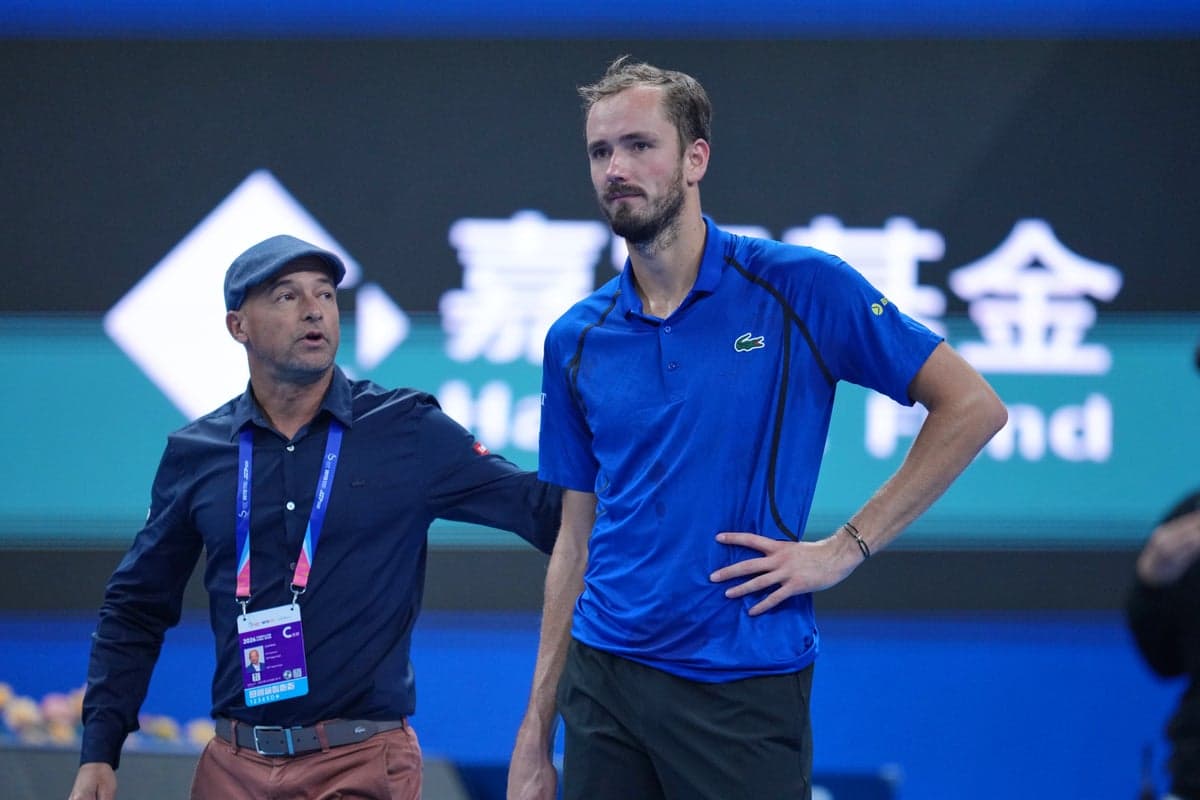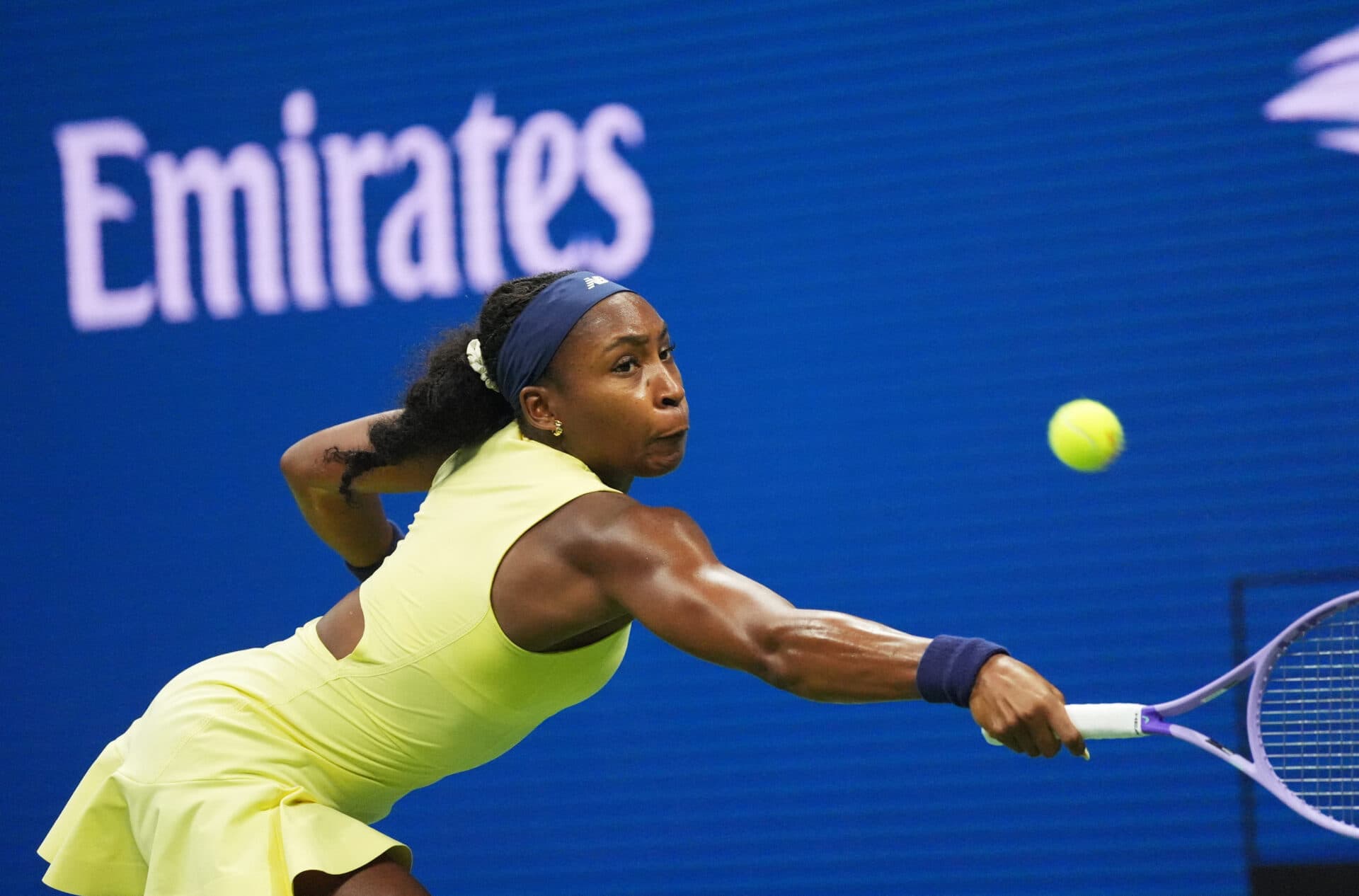
The 2026 China Open was meant to be Coco Gauff's statement swing - a chance to sharpen her hard-court form in Beijing before the WTA Finals race entered its final stretch. Instead, she has become the face of a scheduling problem that refuses to go away.
Here's the short version for every fan watching: heading into October 5, 2026, the China Open draw was still missing several star names, and Gauff's own Beijing campaign was compressed by delays, reshuffled match slots, and a calendar that keeps demanding more from its biggest attractions.
Scheduling has genuinely reshaped the tournament. It's reshaped Gauff's week. And it says something uncomfortable about what the WTA's fall calendar asks of the players who sell the tickets.
The Schedule Squeeze That Has Everyone Talking
Why the China Open Calendar Is Under Fire
The China Open's Beijing slot - right at the edge of the Asian swing and right before the season's final push - has always been a logistical pressure point. But 2026 tested that system hard from day one. The tournament was still dealing with withdrawals and a thin draw as Gauff entered, and a packed early-round window meant players were being asked to play, recover, and turn around again faster than any training plan allows.
That's the heart of the controversy. After the opening rounds of the men's and women's singles at the 2026 China Open, it wasn't only the defending champion - world No. 2 Jannik Sinner, the titleholder in the men's draw - who ran into trouble. The schedule itself became the story.
That matters for Gauff more than most. As one of the sport's biggest box-office draws, she is precisely the player tournaments need on court during prime slots. That's also the player most exposed when a draw thins out, TV windows need filling, and she's left carrying a jammed night-session load - with fewer recovery days between appearances than her rivals get.
How Scheduling Chaos Is Reshaping Gauff's Beijing Campaign
Fatigue, Recovery Windows, and the Physical Toll
Let's be blunt: recovery is the whole game in late-season tennis. By October, players are carrying eight-plus months of mileage. The difference between a deep Beijing run and an early exit often isn't talent - it's who got the extra 24 hours off.
For Gauff, a congested schedule is a double tax. Her defensive, run-everything-down game style already burns more fuel than most. Playing on short rest makes that worse.
There's a comparison worth making, too. Sinner - the men's defending champion in Beijing - openly called the schedule chaotic after the early rounds, a reminder that this isn't a Gauff-only problem. It's structural. That kind of public frustration from a world No. 2 shows that tournament organizers are up against real limits, not just bad luck.
The physical toll doesn't vanish when the trophy is lifted, either. For Gauff, as for any all-action player, constant turnaround cycles compound exactly where she feels it most.
📊 Two of five WTA 1000 finals in 2026 featured deciding sets that ran past two hours - a marker of how deep, grinding matches define the season's biggest tests. (This is historical context based on Big3 Tennis commentary, not a 2026 China Open figure.)
Table: 2026 Season Snapshot - Gauff's Season-Ending Stakes
| Category | Detail |
|---|---|
| Current ranking | World No. 3 |
| WTA 1000 finals in 2026 | 4 |
| Season W/L record | 41-14 |
| 2026 titles | 2 |
| China Open history | 2023 Beijing semifinalist (lost to Iga Świątek) |
What This Means for Gauff's Season-Ending Push
The Bigger Picture: Star Power vs. Tournament Logistics
Gauff has made no secret of it: she's been warning about the grind - compressed offseasons, endless travel - long before 2023.