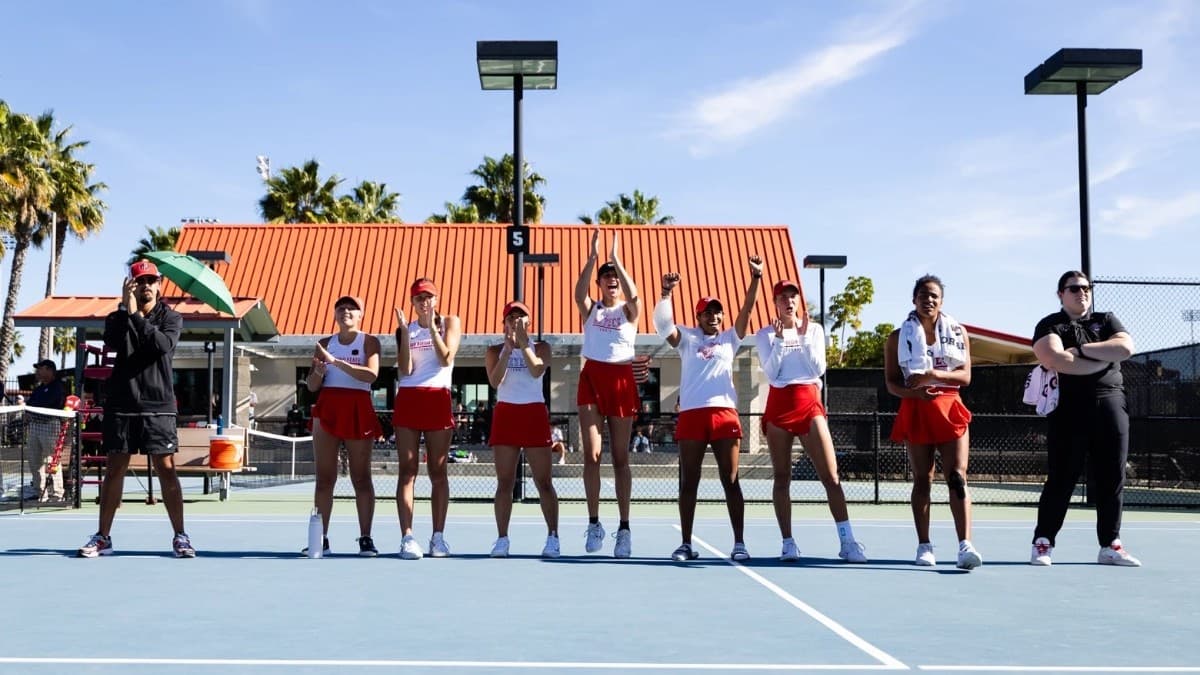
College sports have been through the wringer. NIL chaos, conference realignment, the transfer portal - you name it, we’ve survived it. But just when you thought the NCAA couldn’t throw another curveball, the federal government has stepped up to the plate with a fastball aimed straight at the international pipeline. Opinion: A new restrictive student visa rule could reshape college athletics in ways that make the transfer portal look like a minor fender bender.
This isn’t just another bureaucratic hurdle for international students to jump. It’s a seismic shift in the economics and geography of college sports. For years, elite programs have leaned on global talent to fill critical gaps - whether it’s a sniper from Serbia knocking down threes or a world-class sprinter from Jamaica burning up the track. Now, the message from Washington is loud and clear: coming to America to play college sports just got a whole lot more complicated. For athletic directors and recruiting coordinators, this isn’t a policy paper - it’s a five-alarm fire. The game is changing, and the old playbook is already obsolete.
The Ripple Effect on Rosters and Revenue
The New "High-Risk" Label for International Phenoms
Coaches are now forced to second-guess every single international scholarship offer. The new rule, which imposes stricter financial documentation and heightened intent-to-return requirements, effectively brands many international student-athletes as higher visa risks. For a 17-year-old point guard from Latvia or a swimmer from Brazil, the burden of proving they won’t overstay their visa now falls squarely on the athletic department’s shoulders.
That means more legal fees, longer wait times, and a terrifying new variable: the “denied entry” catastrophe. Imagine a program that banks its entire season on a five-star international recruit. Now imagine that player being turned away at customs just weeks before fall camp. No appeals process on earth can fix a blown-up season. The rosters we see in August could look drastically different than the ones coaches spent months building on the recruiting trail. The margin for error just shrank to zero.
📊 Record visa denial rates for student-athletes are projected to rise by up to 40% in the 2026 cycle - This forces athletic departments to triple their compliance budgets or risk losing key recruits.
| Sport | Historical International % | Projected 2026-27 % | Competitive Risk Level |
|---|---|---|---|
| Tennis | 55% | 30% | Extreme |
| Track & Field | 45% | 35% | High |
| Men's Soccer | 35% | 25% | High |
| Basketball | 20% | 15% | Moderate |
The NIL Nightmare No One Saw Coming
Suddenly, "International Free Agent" Is a Trap Label
The most explosive consequence of this rule is how it collides head-on with Name, Image, and Likeness money. Previously, international athletes could leverage their NIL value while technically maintaining “non-immigrant intent.” The new guidelines, however, tightly re-evaluate whether earning significant U.S.-based income violates the student visa’s core purpose. In plain English: an international quarterback signing a $500,000 NIL deal could be viewed as intending to work in the U.S. permanently - a direct violation of the visa terms.
This puts athletic departments in a lose-lose position. Push too hard for NIL deals and risk the athlete’s immigration status; hold back and watch the athlete transfer to a school willing to take the risk. Some programs are already whispering about “visa-proof” NIL structures, but that’s a compliance minefield waiting to explode. The intrigue and excitement of landing an international free agent has suddenly become a liability. It’s a nightmare scenario for Get Sports Journals readers who love the global flavor of college sports.
The Strategic Fallout for Coaches and Conferences
The New "Domestic-Only" Recruiting Strategy
Smart coaches are already adapting, and the shift is ruthless. Expect a major pivot toward domestic recruiting, particularly in sports like tennis, golf, and track and field where internationals once dominated. This rule effectively punishes programs that built their identities on global talent. Mid-major programs - who historically used international recruiting to level the playing field against blue bloods - will suffer the most. Ohio State can survive losing a Danish midfielder; Western Michigan might not.