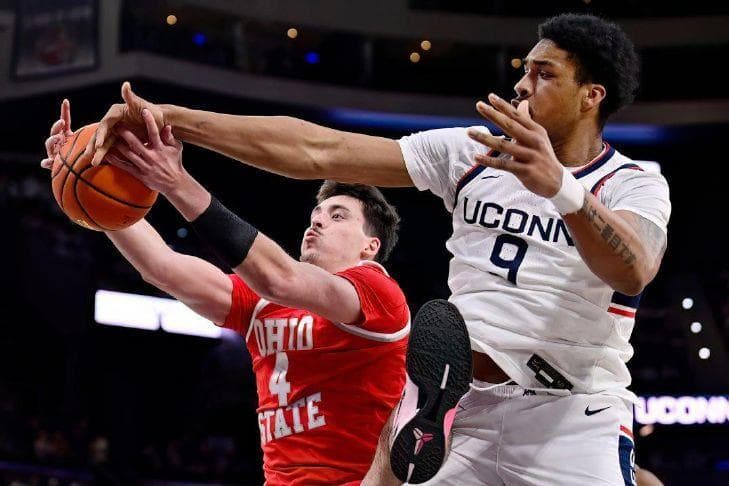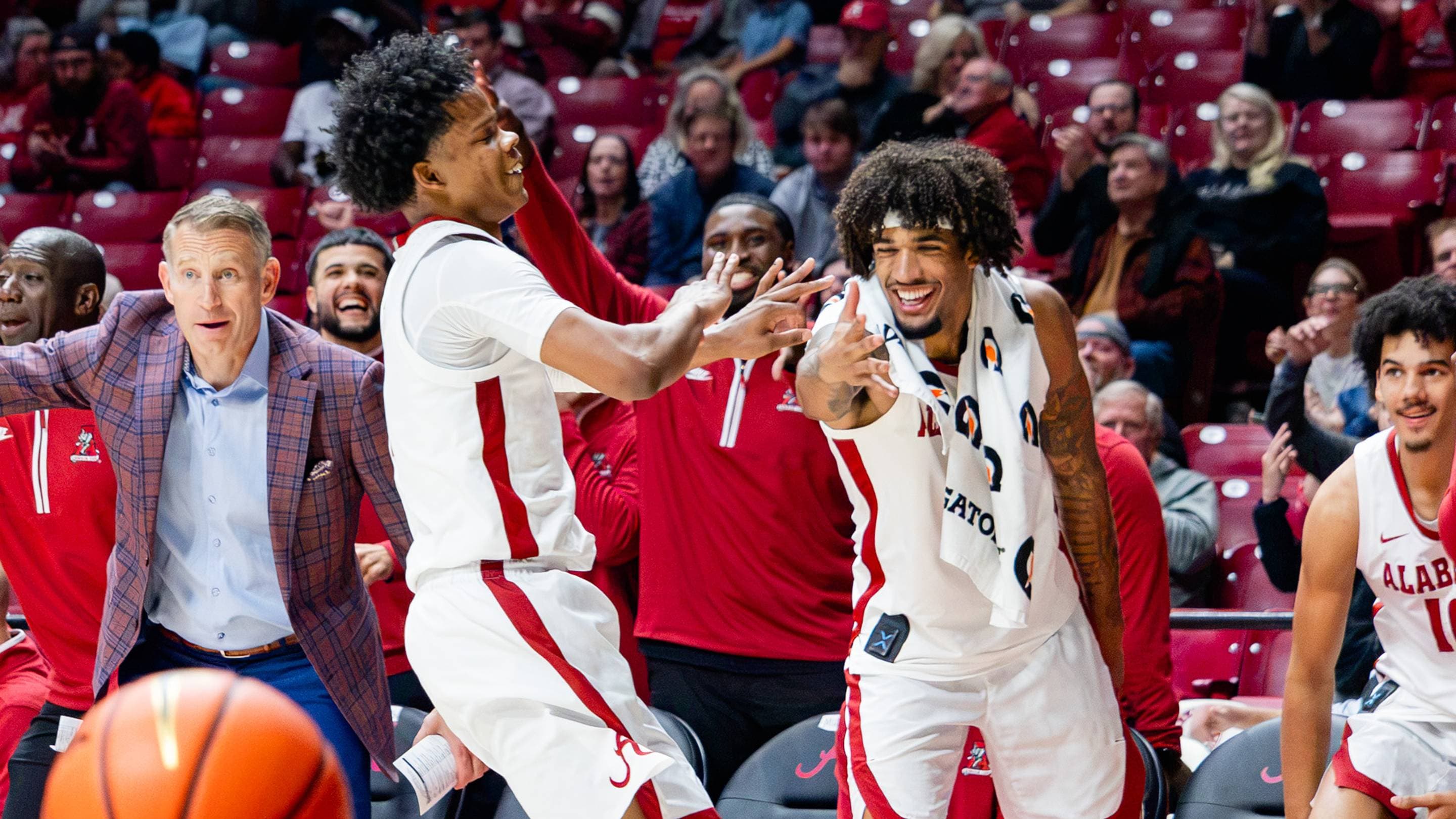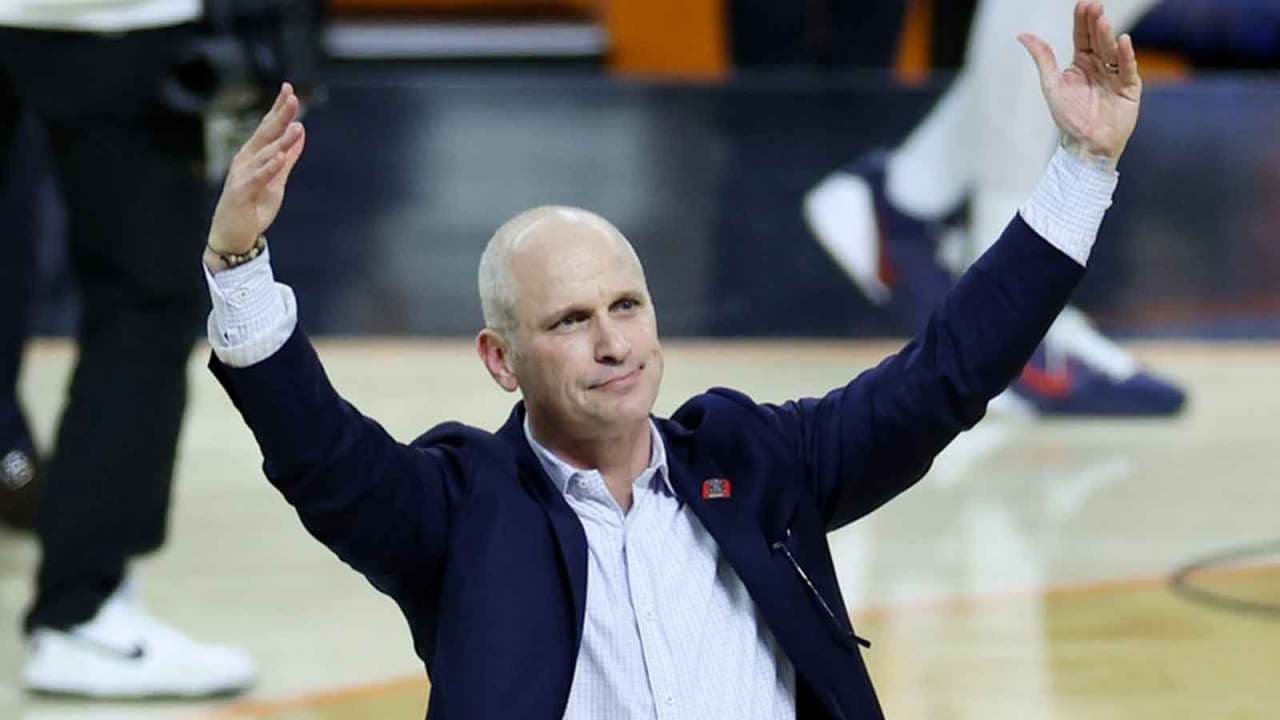
College basketball has always been a sport of momentum. These days, though, the momentum comes from the front office, not the fast break. The era of multi-year program building is dead. What's replaced it is a sport running on year-to-year roster churn - where every spring brings a fresh round of free agency, every summer reshapes the standings, and every coach spends as much time retaining players as recruiting them. Welcome to the "chaotic instability" defining college basketball's Wild, Wild West era: a landscape where the rules are still being written and nobody's quite sure who's holding the pen.
The New Frontier: How Money and Movement Rewrote the Rules
The core tension is simple and brutal: rosters now reset faster than any program can plan around them. Name, Image, and Likeness collectives and the revenue-sharing model have turned mid-major stars into high-major recruiting targets overnight - often before their conference tournament run is even over. And the transfer portal's designated windows? They create an annual free-agency frenzy that can flip a league's hierarchy before the season tips off in November.
For coaches, the job description has mutated. They're no longer just teaching and recruiting; they're recruiting their own locker room every single spring, fighting off poachers with promises of bigger NIL packages and brighter spotlights. A breakout sophomore at a mid-major isn't a building block anymore - he's a transfer target with a price tag. Programs that once developed talent over four years now watch it walk out the door after one good season.
> 📊 Roster retention has become the sport's new battleground stat - in the portal era, keeping a core group intact through April is now as decisive as any five-star signing.
Who Benefits - and Who Gets Left Behind
The winners are familiar. Blue bloods and deep-pocketed programs consolidate talent, stacking rosters with proven college producers who've already shown they can score at this level. The losers are the mid-majors who've become de facto developmental leagues - finding hidden gems, coaching them up, and then losing them before their sophomore seasons to power-conference money.
The result is a competitive balance problem no rulebook has solved yet. The rich get richer in real time, and the gap between the haves and have-nots widens with every transfer cycle.
Realignment and the Battle for TV Dollars
If NIL and the portal scrambled rosters, conference realignment scrambled the map itself. Traditional rivalries and geographic logic have given way to consolidation into mega-conferences, reshaping everything from scheduling to tournament access to recruiting footprints. Football-driven media deals are the engine: television dollars chase inventory, and basketball's competitive balance gets dragged along in the wake.
| Force | Primary Driver | Basketball Impact |
|---|---|---|
| Mega-conference consolidation | Football media rights deals | Scrambled schedules, diluted traditional rivalries |
| Tournament access | Conference automatic bids | Mid-major paths to March harder to map |
| Recruiting footprints | Program visibility and budgets | Talent pools follow the TV money |
The Wild West framing fits because no governing structure can keep pace with the money chasing inventory. When media rights outrun rulebooks, the sport's competitive architecture gets rebuilt by accountants and network executives rather than athletic directors and coaches.
> 📊 Football's media deals are basketball's tectonic plates - realignment driven by gridiron dollars resets hoops scheduling, tournament access, and recruiting geography without a single basketball decision being made.
Coaching in the Chaos: Strategy, Survival, and the Road Ahead
The modern coach must be part general manager, part recruiter, part salary-cap manager - juggling a roster, a budget, and a retention strategy all at once. Landing fresh talent still matters. But roster retention is now the coin of the realm. Lose your best two players to the portal in April, and your November game plan evaporates.
The programs finding stability inside the instability are the ones building analytics- and culture-driven systems - identifying undervalued players, developing them fast, and creating an environment worth staying in. Culture, once a buzzword, is now a retention tool with real financial implications.