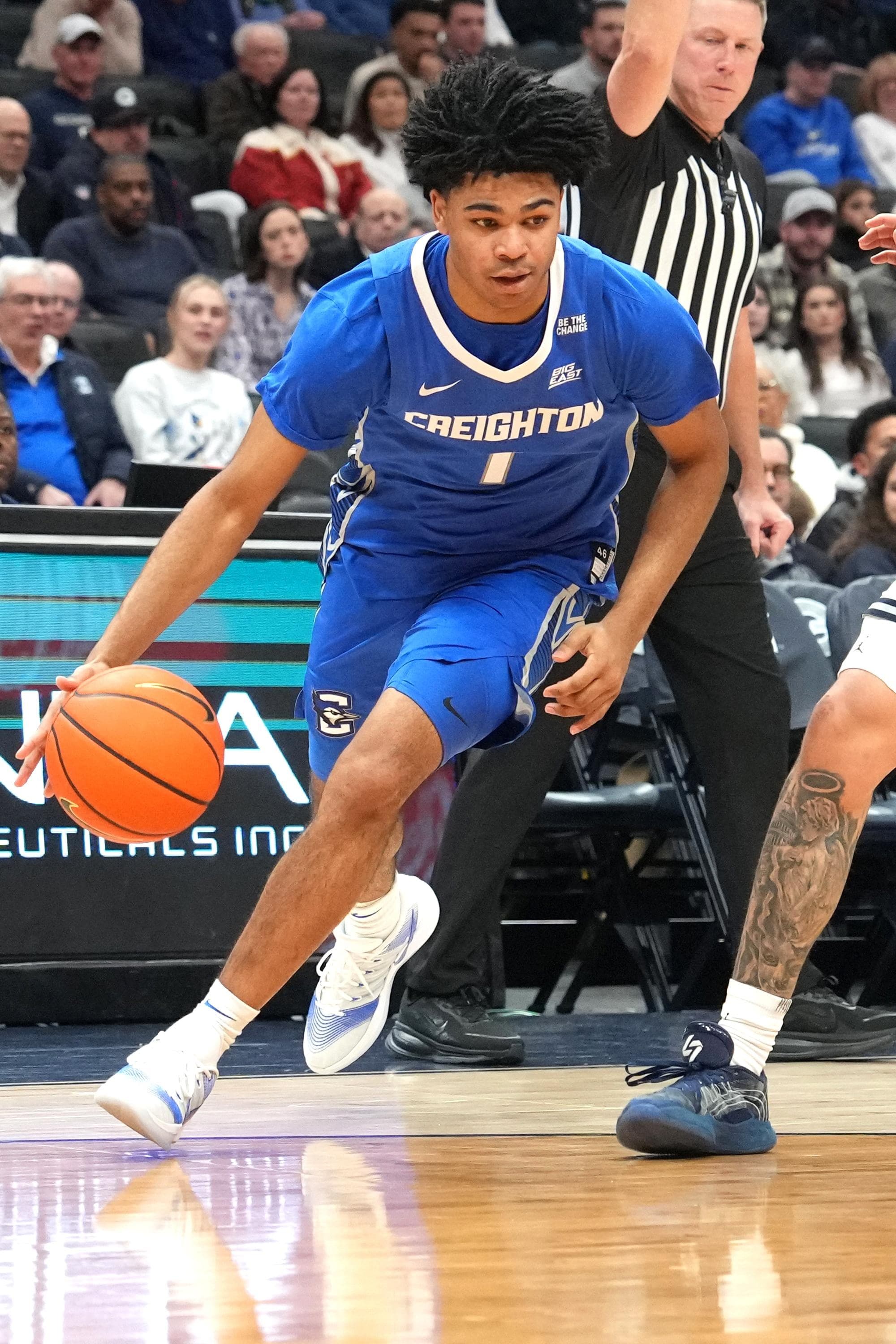
Omaha is holding its breath. Ryan Kalkbrenner is gone - the 7-foot-1 eraser who patrolled the paint for what felt like a decade - and Greg McDermott's staff spent the spring attacking the transfer portal instead of crossing fingers on freshmen. The result is a roster that looks nothing like the one that made Creighton a perennial Big East problem. Smaller. Switchier. Riskier.
The Roster Overhaul: Rebuilding Around the Portal
Losing Kalkbrenner wasn't just losing a center - it was losing a defensive identity. The big man anchored a scheme that let Creighton's guards gamble on the perimeter because someone was always home to clean up mistakes. That safety net is gone.
Who's Back, Who's Gone
The returning guard core gives McDermott real continuity on the perimeter. Those guards know the system, know the Big East grind, and know how to play off a dominant big. Problem is, there's no dominant big anymore. Graduation and the portal stripped the roster of its anchor at the five and a chunk of wing scoring that made the Jays so hard to scout.
The incoming transfers reportedly emphasize length and versatility over a traditional back-to-the-basket center. Think 6-foot-8 athletes who can guard multiple positions, run the floor, and - critically - step out and shoot. Expect more five-out looks and quicker defensive rotations. McDermott's system has always thrived with a floor-spacing big, and whether this new group can replicate that spacing is the single biggest summer question mark in Omaha.
📊 Kalkbrenner averaged 2.7 blocks per game over his Creighton career - a rim-protection number no single transfer on this roster is expected to replace alone.
Table: Creighton Frontcourt Transition (2025-26 to 2026-27)
| Category | Kalkbrenner Era | New Look |
|---|---|---|
| Primary rim protector | 7'1" center | Committee approach |
| Defensive scheme | Drop coverage, rim erase | Switching, perimeter pressure |
| Offensive spacing | Inside-out with post touches | Five-out, drive-and-kick |
| Rebounding | Anchored by big | Gang rebounding required |
Style of Play: Small Ball Comes to Omaha
Creighton has quietly been one of the nation's most efficient offenses for a decade, built on elite shot quality and low turnovers. Without a 7-footer erasing mistakes at the rim, the calculus shifts dramatically - and the staff knows it.
The Defensive Bet
Going smaller means Creighton likely trades rim protection for perimeter pressure. That works in the Big East only if the Jays can rebound collectively and avoid foul trouble. Summer workouts are reportedly focused on exactly that - gang rebounding and point-of-attack defense. In a league featuring UConn's physical frontcourts and St. John's relentless attack, getting bullied on the glass would be fatal.
📊 Creighton ranked top-25 nationally in offensive efficiency for most of the past decade - a streak that depends entirely on maintaining elite shot quality.
The Offensive Ceiling
Here's the thing: if the new bigs can shoot, McDermott's offense becomes nightmarish to guard again. Picture it - five shooters on the floor, guards attacking closeouts, no help defender camping in the lane. That's modern basketball heaven. But if the new frontcourt can't shoot, defenses will pack the paint and dare Creighton's guards to win one-on-one. The staff's summer priority is clearly finding that shooting, and every workout report out of Omaha mentions it.
Big East Outlook: Contender or Middle of the Pack?
The league is loaded again - UConn, Marquette, and St. John's all project near the top - which leaves Creighton in a familiar spot: dangerous, but with a narrower margin for error than the Kalkbrenner years.
Table: Creighton's 2026-27 Big East Scenarios
| Scenario | Projected Finish | Key Driver |
|---|---|---|
| Ceiling | Top-four, protected NCAA seed | Transfers click, guards leap |
| Floor | Bubble team | Struggles on glass, three-point variance |
| Swing factor | Health + frontcourt adaptation | Adjusting to Big East physicality by January |