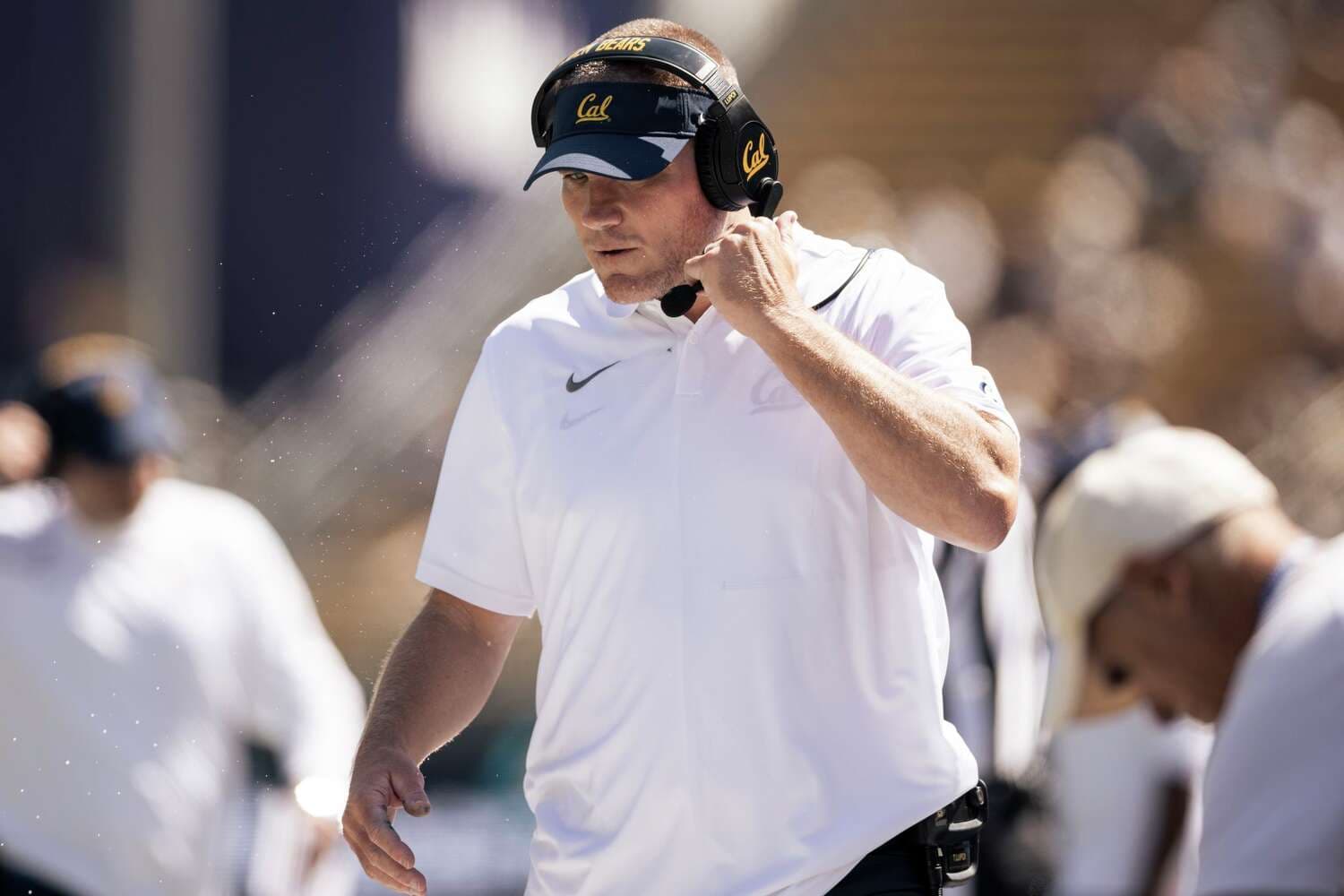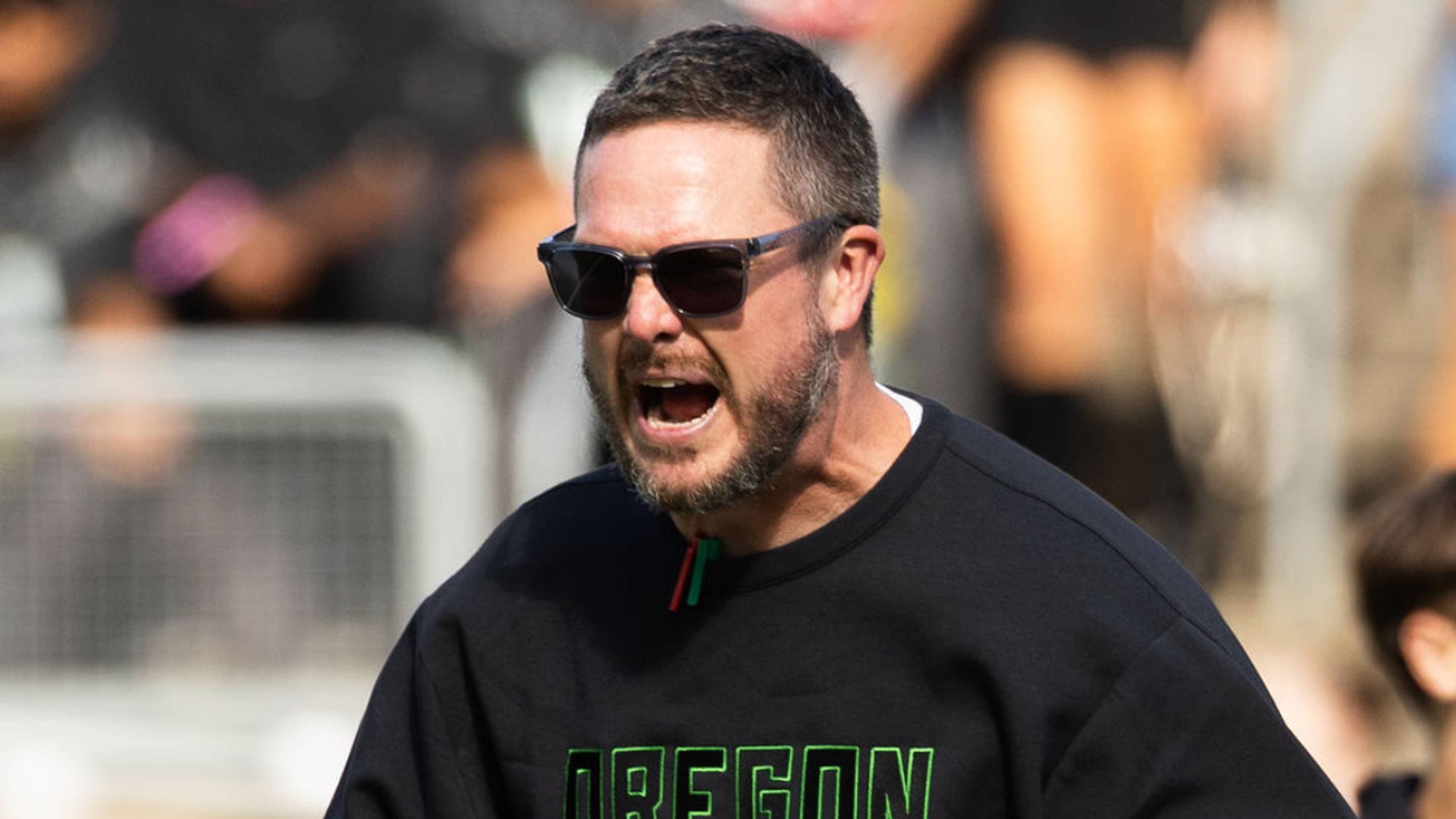
Oregon expected to make a statement Saturday night. Instead, the Ducks left with a loss, a quarterback controversy, and a head coach unwilling to hide from either. When Dan Lanning pulled Dylan Raiola mid-game, college football wanted answers fast. Monday afternoon, Lanning delivered them - unfiltered, unflinching, and about as candid as a head coach gets after a gut-punch defeat.
The Moment That Sparked the Debate in Eugene
What Happened on the Field
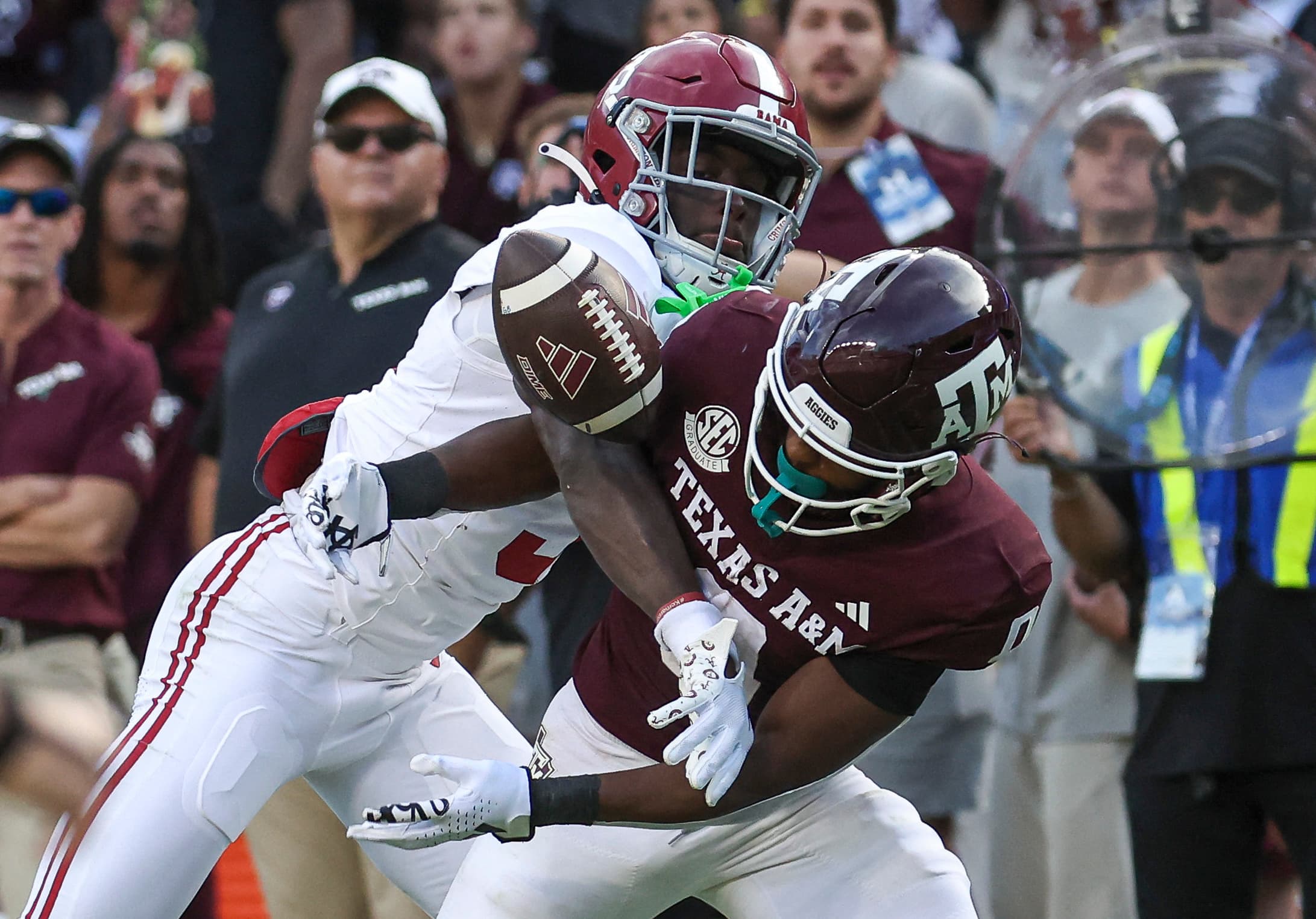
The game turned late in the third quarter. Oregon trailed, the offense sat stuck in neutral, and Raiola had just absorbed his third sack of the night. The drive before had ended on a tipped interception that killed a promising march into plus territory. With the pocket collapsing and the scoreboard slipping away, Lanning made the call that lit up social media within seconds: Raiola to the sideline, backup QB in.
The switch didn't flip the game. Oregon's protection issues followed whoever stood back there, and the Ducks' comeback bid fell short in a loss that stings far more than the final margin suggests. But for a program with national title expectations in 2026, the sight of a benched starting quarterback became the story of the night.
Why the Switch Raised Eyebrows
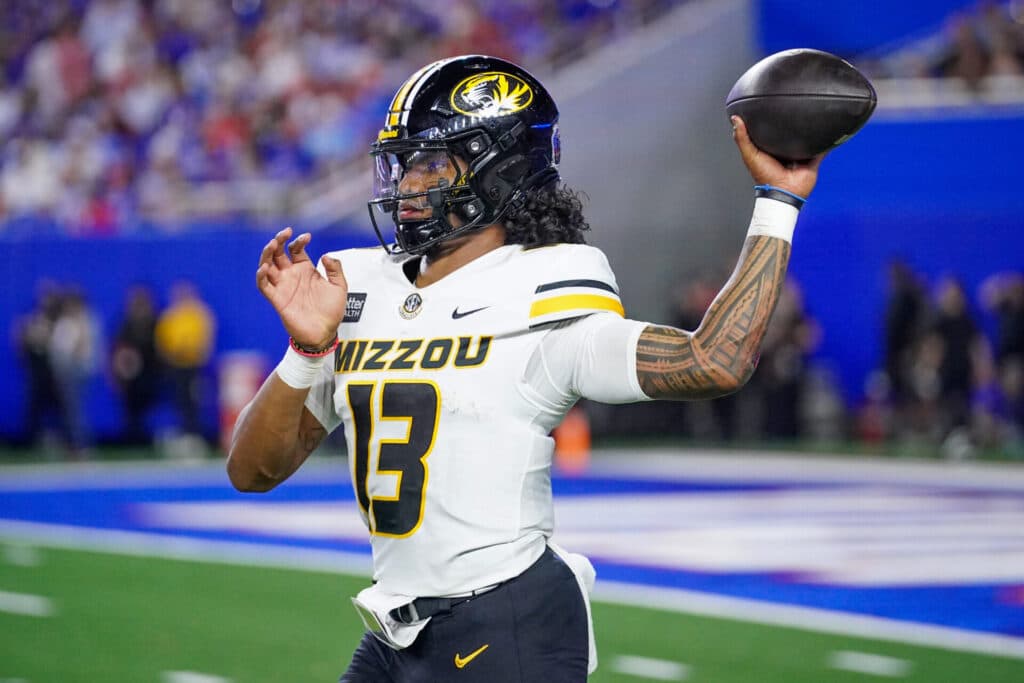
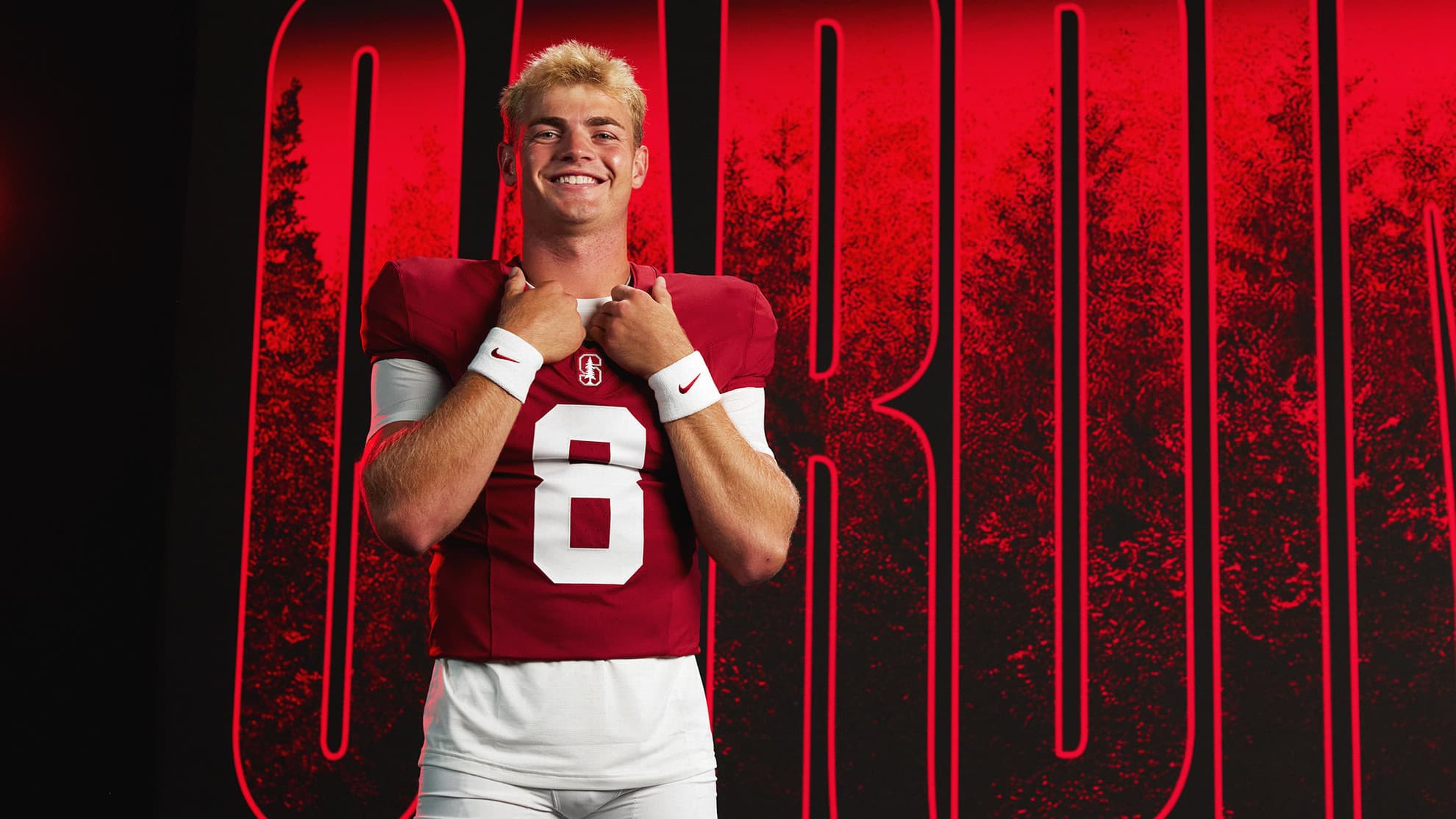
Here's the thing - you don't see mid-game quarterback changes in Eugene often, and you almost never see one involving a name with Raiola's wattage. A former five-star with a famous football family and a national spotlight attached to every snap, Raiola arrived as the kind of player programs build entire seasons around. Fans and analysts spent the hours after the loss debating one question: was this a one-drive reset, or the start of something bigger?
That ambiguity is exactly why the reaction snowballed. When it's your QB1, every snap of the backup's helmet is a referendum.
Dan Lanning's Honest Response: What He Actually Said
The Key Quotes
Lanning didn't dodge. At Monday's press conference, he was direct about the timeline and the reasoning, framing the benching around performance rather than panic - too many hits, too many stalled drives, and a belief his team needed a spark. He acknowledged the protection breakdowns weren't solely on Raiola's shoulders, a notable bit of accountability that kept the moment from becoming a public throwing of his quarterback under the bus.
The tone mattered as much as the words. This wasn't a coach scrambling for a scapegoat. It was a coach saying, plainly, that the standard doesn't bend for anyone - not even the face of the offense.
📊 Raiola absorbed three sacks before the switch - a pressure rate that forced Lanning's hand and defined the night's turning point.
The Reasoning Behind the Call
Break it down and Lanning's logic holds together. Oregon's offense had gone cold, the run game couldn't stay ahead of the chains, and the Ducks were losing the line of scrimmage snap after snap. Pulling Raiola wasn't about one bad throw - it was about a cumulative stretch where the unit needed a reset.
That's leadership, not blame. Lanning's honesty signals to his locker room that evaluation is ongoing, that jobs are earned weekly, and that nobody's résumé buys them immunity.
What This Means for Oregon's Season - and Raiola's Future
The Quarterback Room Going Forward
Lanning was careful not to declare an open competition - he emphasized evaluating the film and doing what gives Oregon the best chance to win the next game. But the message landed between the lines: the starter's job is not a lifetime appointment. Expect the depth chart to stay a live topic all week, and expect Raiola to get first-team reps unless Lanning says otherwise.
| Category | First Three Quarters | Fourth Quarter |
|---|---|---|
| Sacks allowed | 3 | Pressure-heavy, unsettled |
| Turnover-worthy plays | Tipped INT, near-picks | Forced downfield |
| Points off turnovers | Minimal | Comeback fell short |