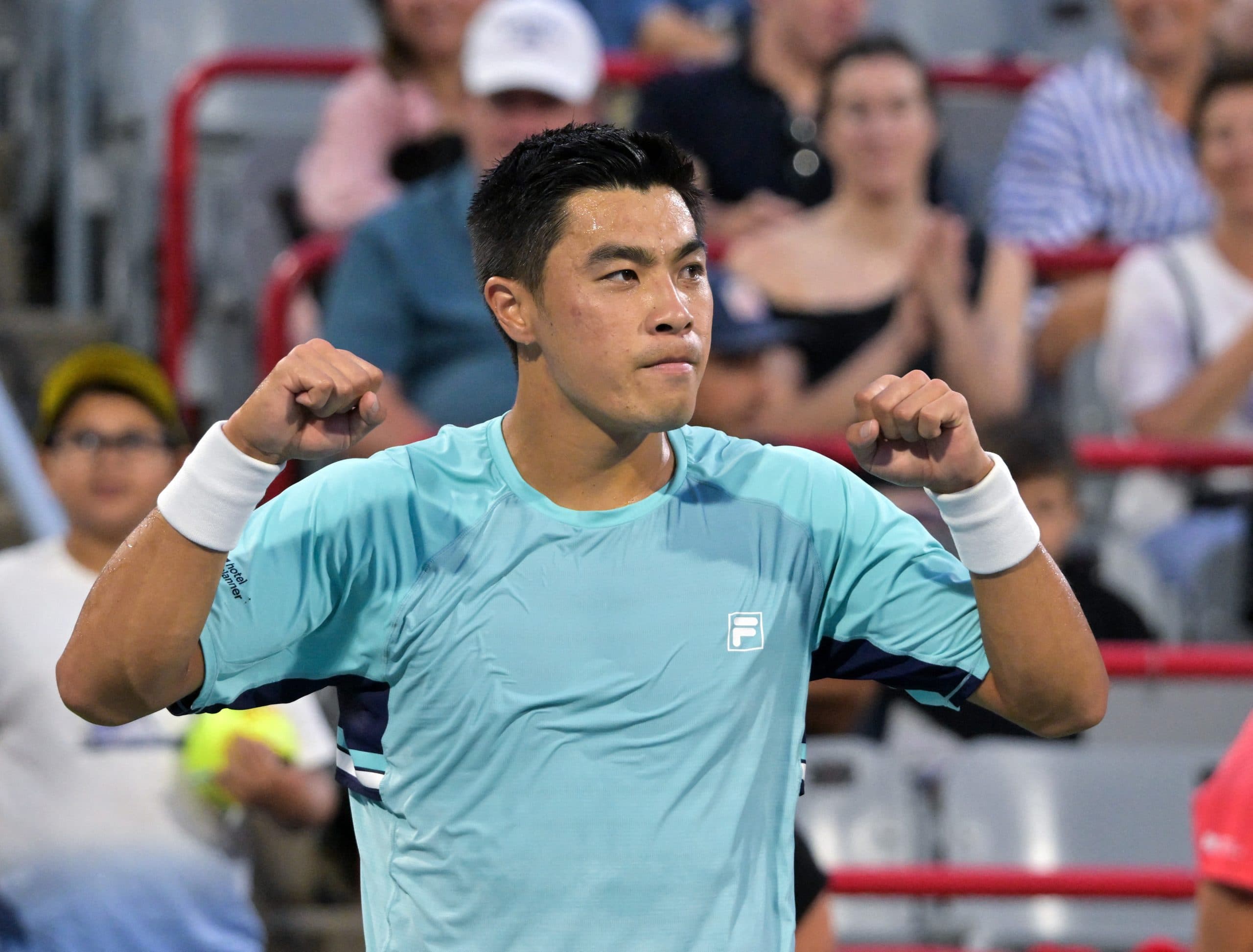
The tennis calendar waits for no one, and this matchup pits two contrasting philosophies of modern baseline warfare against each other. Luciano Darderi brings the thunderous, heavy-topspin forehand that has terrorized opponents on European clay. Brandon Nakashima counters with crisp, flat hitting and a composure that feels far beyond his years. This isn't simply a battle of forehands. It's a tactical puzzle where the surface and conditions will dictate everything.
We've crunched the numbers, dissected recent form, and scoured the market to bring you the only betting breakdown you need. Expect a match that could hinge on a single break of serve in a crucial set. Here are our sharpest predictions and picks for what promises to be a tightly contested affair.
Serving vs. Groundstroke Pressure: The Tactical Edge
This is where the match will be won or lost. Nakashima's first serve has been a reliable weapon all summer, but Darderi's return position - standing deep to take a massive cut at the ball - can be equally explosive. Court positioning and who dictates the first strike will be the decisive factors. Both men have held serve at an 85% clip or better over their last ten hard-court matches, so the early advantage could come down to who blinks first in the pressure moments.
The Darderi Forehand: A Heavyweight's Burden
Darderi's game is built on generating absurd amounts of spin and pace from his forehand wing, often hitting with such velocity that he can pull opponents off the court. He will look to target Nakashima's backhand - a solid but less penetrating shot - to open up the court. However, his aggressive strategy comes with risk. If his depth is off, Nakashima's flat, early ball-taking will punish him. Expect Darderi's unforced error count to be high, but so will his winner tally.
📊 Darderi averages 34 winners per match on hard courts in 2026 - but also 28 unforced errors, the widest gap between the two stats of any top-50 player.
The Italian's spin rate on the forehand has been measured at nearly 3,000 RPM this season, among the highest on tour. That heavy rotation kicks the ball up into Nakashima's strike zone, but it also gives the American more time to set up his flat replies. This is the chess match within the chess match - a battle of spin versus pace.
Nakashima's Counter-Punching Calm
The American thrives by absorbing pace and redirecting it with pinpoint accuracy. He won't try to out-blast Darderi from the baseline. Instead, he will mix his depth, use the slice to disrupt the rhythm, and force Darderi to generate his own pace from uncomfortable positions. His defensive skills are top-tier, and his ability to serve his way out of trouble - especially on the ad court - keeps the pressure on his opponent's service games. The longer the rally, the more it favors Nakashima.
Markets, Odds, and The Sharpest Pick
With Darderi installed as a slight -140 favorite due to his firepower and recent form on slower hard courts, the betting market opens up some intriguing value on the underdog. The total games line is also a fascinating proposition here, as this style of matchup often produces a higher number of tiebreaks and tight holds. According to the latest data from ESPN's tennis analytics desk, head-to-head serving metrics show Nakashima winning a higher percentage of points behind his second serve in their previous two meetings on similar surfaces.
| Metric | Darderi | Nakashima |
|---|---|---|
| First Serve Points Won | 74.2% | 78.1% |
| Second Serve Points Won | 52.8% | 56.3% |
| Break Points Saved | 61.4% | 68.9% |
| Service Games Held | 84.7% | 87.2% |