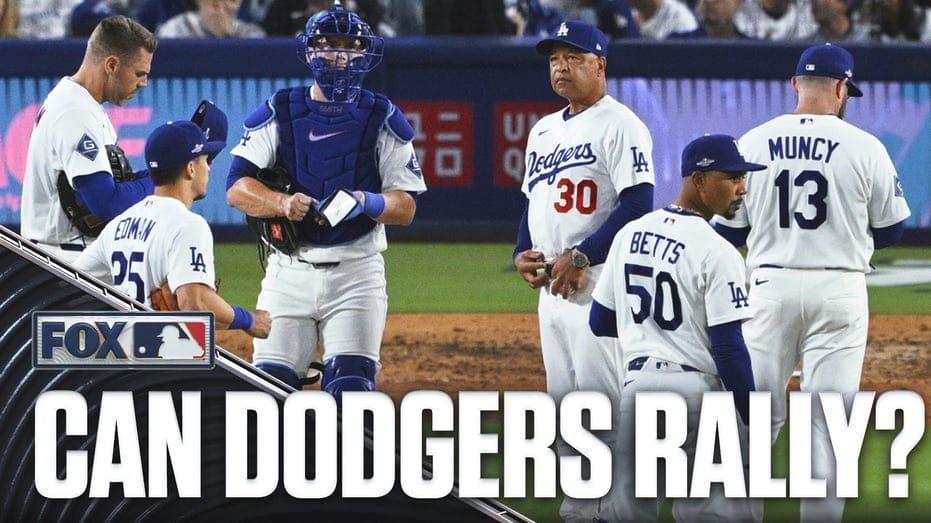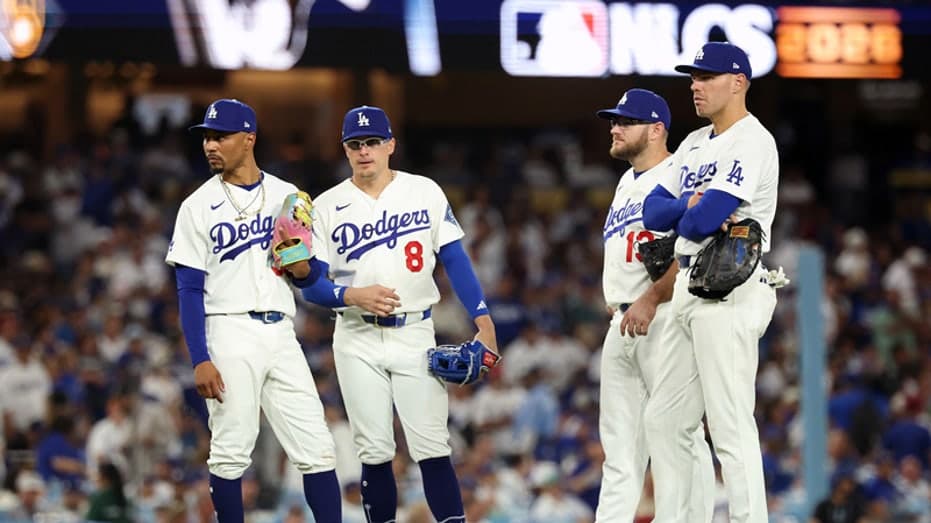
The champagne never came. The Dodgers' bid to become the first team since the 1998 - 2000 New York Yankees to win three consecutive World Series fell short in October 2026, and Los Angeles is left staring at the cruelest question in sports: what now?
This is the piece every Dodgers fan has been dreading and secretly craving. Will Dodgers Recover From Unsuccessful 3-Peat? MLB History Says It's Complicated - and the answer, as history keeps telling us, is somewhere between "they'll be back by June" and "the window just cracked."
Here's the thing about chasing history: it chases back. Every opponent circled the Dodgers on the calendar for three straight years. Every postseason series was their World Series. And after a third straight marathon October - three straight years of high-leverage innings, cross-country flights and bullpen mileage - the mental and physical tax is not a narrative. It's a bill.
📊 Only one team in the wild-card era has won back-to-back World Series - the 2000 Yankees - which tells you exactly how rare the air the Dodgers have been breathing really is.
The Ghost of October: What a Missed Three-Peat Actually Costs
The 2001 Yankees are the script every Dodgers fan should study. After their three-peat bid ended, New York didn't fold - it channeled the heartbreak (and the city's grief after 9/11) into a furious run back to the Fall Classic, winning 95 games and an unforgettable Division Series against Oakland. Emotional fuel, it turns out, can be real fuel.
Then there's the cautionary tale: the early-1990s Athletics. Oakland reached three straight World Series from 1988 - 90, won one, lost two - and never got back. The emotional hangover, aging stars and a farm system that stopped producing turned a dynasty-in-progress into a what-if.
The Dodgers' version of October fatigue is compounded by the bullpen toll. Three consecutive deep runs mean high-leverage arms logging extra playoff innings year after year - and MLB history shows the bullpen is where post-dynasty teams break first. For more on how the bracket shaped this fall's madness, our baseball desk has been tracking the postseason picture all month.
The Precedent That Should Worry (and Encourage) Dodgers Fans
History says repeating is brutally hard. It also says that when a dynasty misses a rung, the response depends almost entirely on who's pulling the levers.
| Team | Three-Peat Bid Ended | Next-Season Result | Verdict |
|---|---|---|---|
| 2001 Yankees | 2001 World Series (lost to ARI) | 103-win pace, ALDS classic vs. OAK | Fast, loud rebound |
| Early-'90s Athletics | 1990 World Series (swept by CIN) | Gradual decline, no return to October glory | Slow fade |
| 1990s Braves | Perennial October contender | Won 1995 World Series after earlier misses | Title within three years |
| 2000s Red Sox | Back-to-back misses at the peak | Won 2007, 2013 titles | Reloaded, not rebuilt |
The encouraging precedent: champions who fall short of a three-peat frequently win another title within three years. The Braves of the '90s and the Red Sox of the 2000s both proved that a missed third ring is a pothole, not a cliff - provided the organization keeps its edge.
And the Dodgers have that edge. Few franchises in baseball can match their combination of payroll, farm-system depth and front-office aggression. Legacy dynasties faded because they got old and complacent. This organization reloads faster than anyone.
📊 The 2001 Yankees won 95 games and reached Game 7 of the World Series the year after their three-peat dream died - proof that a missed third ring can sharpen, not shatter.
Roster Reality Check: Where the Rebound Starts
Everything now hinges on three questions: health, contracts and the bullpen.
Health first. How much of the 2025 - 26 star core returns fully healthy - and hungry - after a third grinding October? Rotation depth is the immediate concern; another long playoff run burned innings that only a deep, restocked staff can absorb.