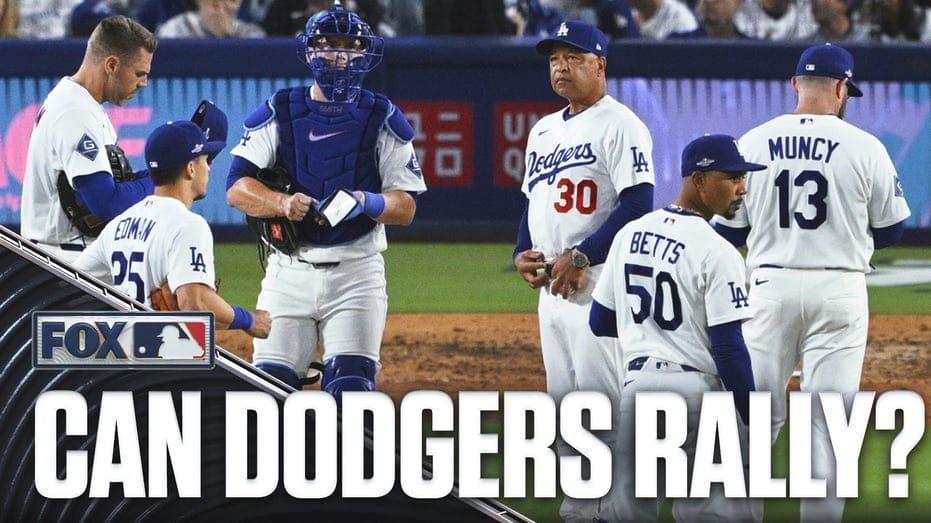
The Los Angeles Dodgers didn't just win the offseason. They lapped the field. As the 2026 World Series approaches, a remarkable payroll stat proves just how much more money LA Dodgers spend than World Series rivals, and the number is staggering enough to reignite every debate about whether MLB's competitive balance is broken beyond repair.
Shohei Ohtani's heavily deferred 10-year, $700 million megadeal set the tone back in December 2023, but the Dodgers haven't slowed since. With Mookie Betts, Freddie Freeman, and Yoshinobu Yamamoto all commanding top-of-market money, LA's competitive balance tax payroll has consistently dwarfed every other contender - routinely pushing past $300 million in CBT calculations while mid-market rivals scramble to field competitive rosters on a fraction of that outlay.
The Payroll Gap That Broke Baseball's Competitive Balance
What makes the stat so remarkable isn't just the raw dollar figure. It's the multiplier. Compare what the Dodgers commit to a single roster against what their October opponents spend across an entire 26-man squad, and the ratio becomes almost comical. Rivals are effectively trying to win a championship on what LA spends on its starting rotation and a bench bat.
📊 The Dodgers' CBT payroll has reportedly eclipsed $300 million for multiple consecutive seasons - a threshold no other World Series contender has come close to matching.
Consider the math. According to publicly tracked CBT figures, Los Angeles has led Major League Baseball in competitive balance tax payroll every year since 2024, and the gap between first and second place has widened, not narrowed. For rivals built on draft-and-develop models, the Dodgers are operating in a different economic universe entirely.
| Team | Reported CBT Payroll Tier | Roster Strategy |
|---|---|---|
| Los Angeles Dodgers | $300M+ (league-leading) | Homegrown core + aggressive free agency + deferrals |
| Top-tier contender | $200M - $250M | Mixed star signings and internal development |
| Mid-market contender | $120M - $180M | Draft, develop, and targeted trades |
| Small-market playoff team | Under $120M | Youth-driven, low-payroll overachievers |
Figures reflect widely reported CBT payroll tiers; exact totals vary by season and calculation method.
This is the new reality of baseball economics: one team operating on a different financial planet than everyone chasing them.
How LA Built a Financial Superteam
The Dodgers' spending isn't reckless. It's strategic. Andrew Friedman's front office has mastered the art of pairing homegrown talent with aggressive free-agent strikes, all while leveraging deferrals to keep luxury-tax hits manageable in the short term. It's a machine that feeds itself: winning attracts stars, stars attract revenue, and revenue funds more winning.
The Deferral Engine Nobody Can Match
Ohtani's contract structure - reportedly deferring the vast majority of his $700 million - gave LA unprecedented flexibility. That same playbook has reportedly influenced other deals, letting the Dodgers stack elite talent without immediate CBT pain. Rivals call it unfair. LA calls it smart business. Either way, it's working - and it's the engine behind the remarkable payroll stat proves just how much more money LA Dodgers spend than World Series rivals.
Revenue Fuels Everything
Record attendance, a massive local TV deal, and global sponsorship money tied to Ohtani's international stardom - the Dodgers print revenue in ways no other franchise can replicate. That cash flow directly funds the payroll gap the stat exposes. For context on how MLB's tax system works, see the league's official competitive balance tax overview, and for labor-relations background, the MLB Players Association has long tracked revenue splits.
What This Means for the Rest of Baseball
Here's the uncomfortable truth: unless something changes, the gap widens. MLB's current CBA runs through the 2026 season, and the CBT thresholds and penalties have risen annually - but not fast enough to meaningfully deter the sport's biggest spenders. The number proving the Dodgers' dominance isn't going away, and neither is the tension it creates.