The political football just got booted straight into the top corner. Downing Street responds after Prime Minister 'backs' Manchester City owners amid charges - and the fallout is already seismic.
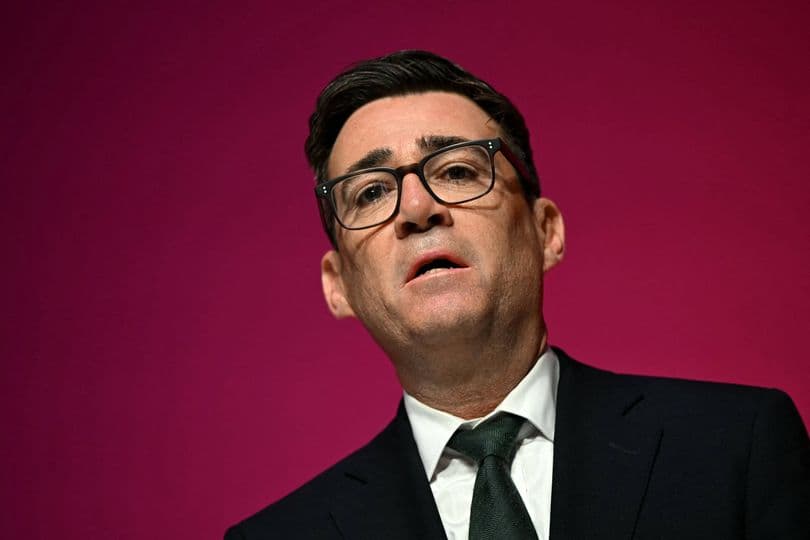
Keir Starmer's perceived support for Manchester City's Abu Dhabi-linked ownership has ignited a firestorm stretching from Westminster to the Etihad and back again. The Premier League's independent commission is still weighing its verdict on the club's 115 alleged financial rule breaches. The timing of any prime ministerial intervention - real or perceived - could hardly be more explosive.
This is the story that refuses to stay in its lane. What began as a trade diplomacy talking point has morphed into a full-blown political controversy. Downing Street is now scrambling to clarify exactly what the PM meant - and whether he meant it at all.
Starmer's Comments Spark Political Firestorm
What the Prime Minister Actually Said
Starmer's remarks came during a broader push to deepen UK - UAE trade and investment ties - a diplomatic priority for a government hungry for post-Brexit growth. Discussing the relationship, the PM framed Abu Dhabi's investment in British institutions, Manchester City chief among them, as a vote of confidence in the UK economy.
That framing is where the trouble starts. To supporters, it was statesmanlike pragmatism - welcoming foreign capital that funds jobs, infrastructure, and global prestige. To critics, it sounded uncomfortably close to endorsing an ownership structure currently under the microscope of the Premier League's own judicial process.
Let's be blunt: a prime minister doesn't get to pick and choose when football governance is "political." The moment he comments on ownership, he's in the game - whether he likes it or not.
Why the Timing Couldn't Be Worse
Here's where the calendar becomes the story's villain. The Premier League's case against City - 115 charges originally brought in February 2023, covering alleged breaches of financial regulations between 2009 and 2023 - remains unresolved and fiercely contested. Any perceived political pressure on that process is radioactive.
| Category | Detail |
|---|---|
| Charges originally brought | February 2023 |
| Total alleged breaches | 115 |
| Period covered | 2009 - 2023 |
| Governing body | Premier League (independent commission) |
| Club's position | Denies all charges |
📊 115 charges - the sheer volume of alleged breaches makes this the most consequential financial rules case in Premier League history.
Downing Street's Damage-Limitation Response
The Official Line From No. 10
Downing Street responds after Prime Minister 'backs' Manchester City owners amid charges with a carefully worded clarification: the PM was speaking about trade and investment, not about the merits of any ongoing disciplinary matter. Officials insist Starmer respects the independence of the Premier League's process and has made no attempt to influence it.
Read the fine print, though, and it's a classic non-denial denial. No. 10 hasn't walked back the warm words - it has simply reframed them as economic diplomacy rather than football commentary. That may satisfy the lawyers. It won't satisfy the terraces.
Critics Aren't Buying It
Opposition MPs and fan groups wasted no time. The charge: you can't celebrate a state-linked owner on Monday and claim neutrality on their regulatory fate on Tuesday. Transparency campaigners argue the comments send a chilling signal - that political convenience could trump sporting integrity.
Even neutral observers raised eyebrows. When a PM's words land this close to an active case, intent matters less than perception. Right now, the perception is messy.
Why This Matters for the Premier League Case
The Politics of Football Governance
This isn't really about one club. It's about who governs English football - the Premier League's independent panels or the corridors of power. With an independent football regulator on the horizon, every political utterance about ownership now carries regulatory weight.