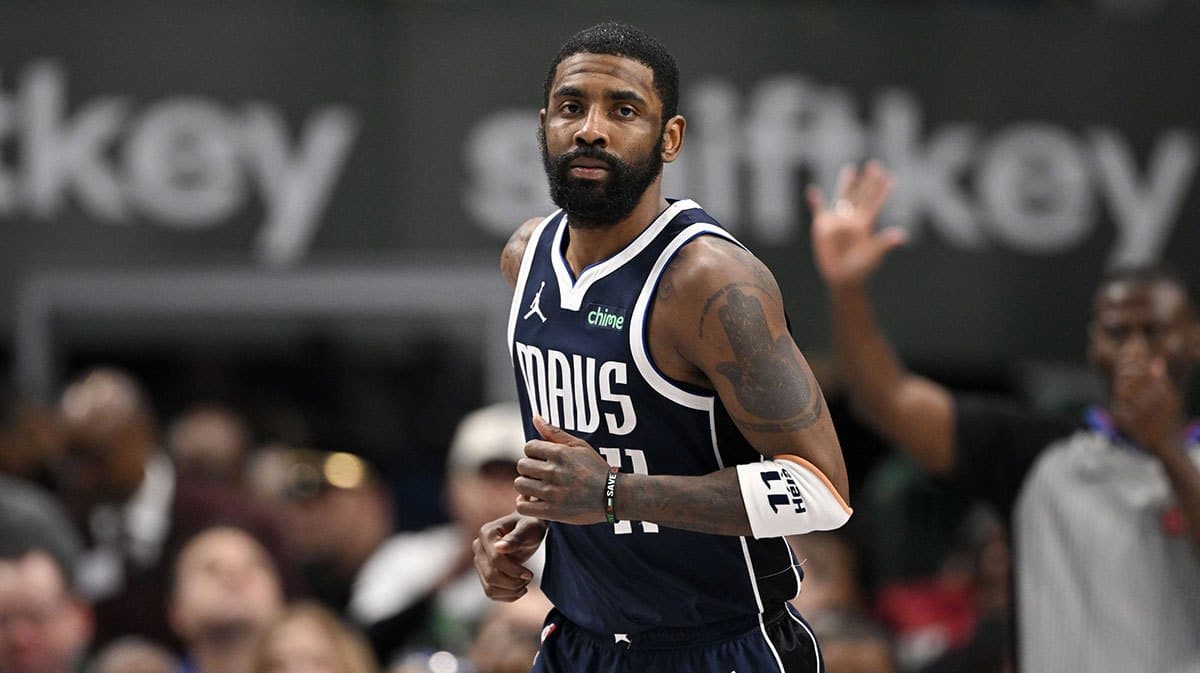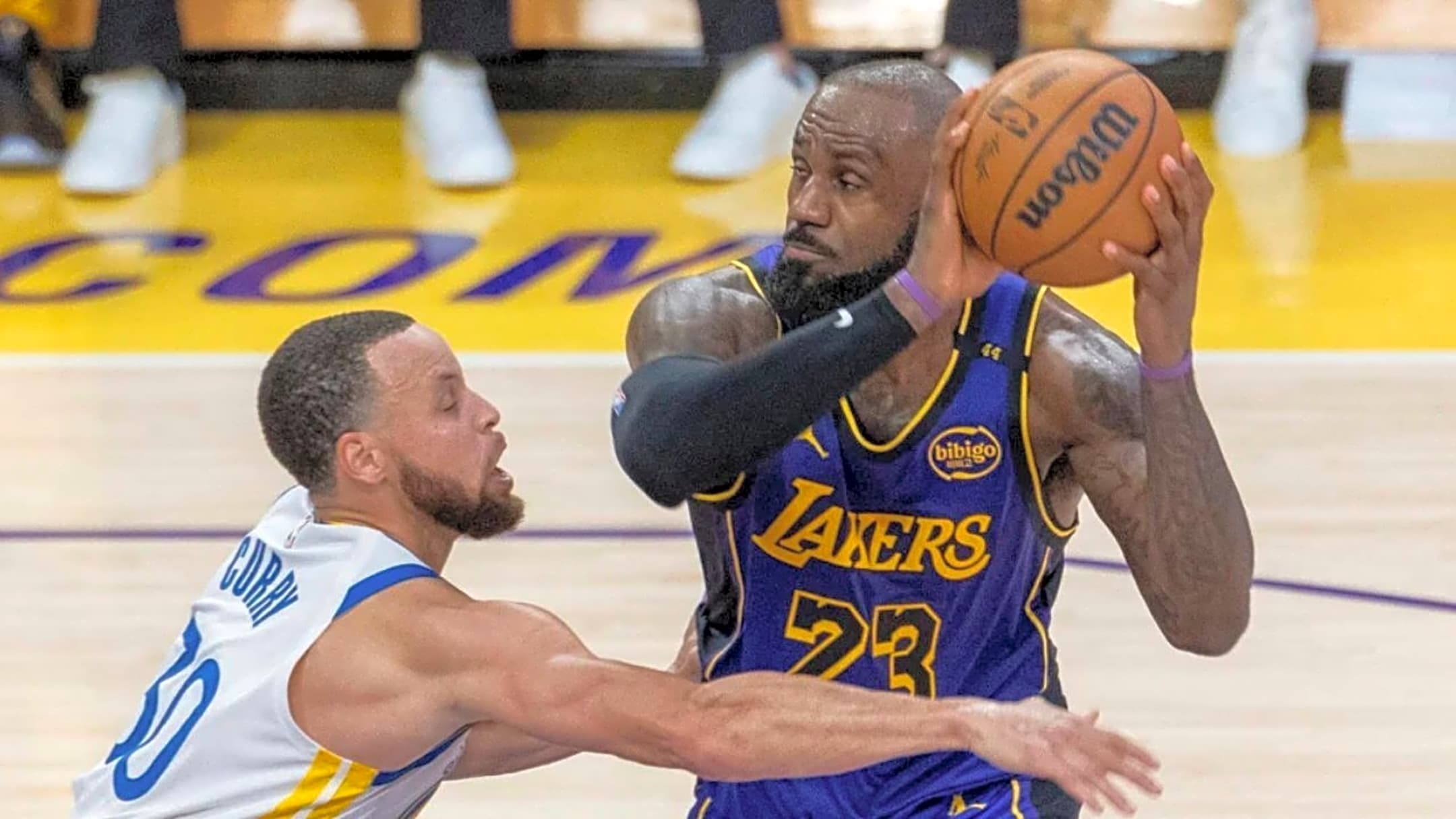
The NBA's biggest stars may be richer than you'll ever be - but they're still getting shortchanged, and Draymond Green just lit the fuse on the conversation nobody in the league office wants to have.
A clip from The Draymond Green Show is tearing through NBA circles this week. In it, the Warriors' veteran forward apparently breaks down a CBA mechanism that - at least in the viral framing - leaves Stephen Curry and LeBron James "capped like a second-year player." It's the kind of headline that makes fans do a double-take. Curry and LeBron on the same salary structure as a sophomore on a rookie deal?
That can't be right.
And here's the thing: it isn't. Not literally, anyway.
There is no NBA rule that pays Curry or LeBron a second-year salary. Veterans of their stature earn at or near the veteran maximum - a massive number, far more than any second-year player on a rookie-scale contract. What's actually real, and what makes this story worth your time, is the genuine CBA quirk hiding underneath the clickbait: max contracts tie superstar earnings to a percentage of the salary cap, not to what those players would command on a truly open market.
That's the gap Draymond was apparently poking at. Keep that caveat in your pocket as we dig in - because before you run with any version of this, it needs to be checked against the original podcast clip and league salary data.
The Real CBA Rules Behind the Headline
Let's get to the mechanics, because this is where the story lives or dies.
Veteran max contracts are set by years of service and a percentage of the salary cap. The longer you've played and the more accolades you stack, the higher your ceiling climbs - up to roughly 35% of the cap for the most decorated veterans. That's how Curry and LeBron can earn enormous sums while still being, mathematically, underpaid relative to their actual market value. If there were no cap at all, teams would line up to hand them figures that would break the spreadsheet.
Now contrast that with second-year players. Guys on rookie-scale deals are locked into fixed, far-lower salaries determined by draft slot - nowhere near veteran max money. That's the source of the misleading comparison. The headline flattens two totally different salary worlds into one sentence.
📊 The NBA max contract ceiling sits at roughly 35% of the salary cap for the most decorated veterans - a hard ceiling that limits what the league's biggest names can earn regardless of their true market value.
The "max contract" concept is real. The idea that it equalizes stars with sophomores is not. What it does do - and why this matters for every fan - is explain so much of the chaos you already watch: constant superstar movement, supermax extensions designed to keep homegrown talent in place, and the recurring CBA friction that nearly every negotiation cycle reignites.
Table: Veteran Max vs. Rookie-Scale Salary Structure
| Contract Type | How Salary Is Set | Relative Earnings |
|---|---|---|
| Veteran max (Curry, LeBron tier) | % of salary cap based on years of service + accolades | At or near the league's highest tier |
| Rookie-scale (2nd-year player) | Fixed by draft slot | A fraction of veteran max money |
| Supermax extension | Higher cap % for qualifying homegrown stars | Designed to retain elite talent |
Where Draymond Fits In
Draymond's podcast is a legitimate, frequent venue for CBA and salary-rule discussion - he's built a reputation as one of the league's sharpest, most unfiltered basketball minds. That's exactly why this clip caught fire.
But here's the crucial distinction: Draymond is the messenger, not the source of a literal rule. The headline most likely compresses or exaggerates a real point he was making about how the cap suppresses superstar pay. That's a legitimate gripe. A rule that "pays Curry and LeBron the same as a second-year player" is not a thing that exists.
Fact-Check Verdict: What's True, What's Misleading, and What to Watch
Let's separate the signal from the noise.