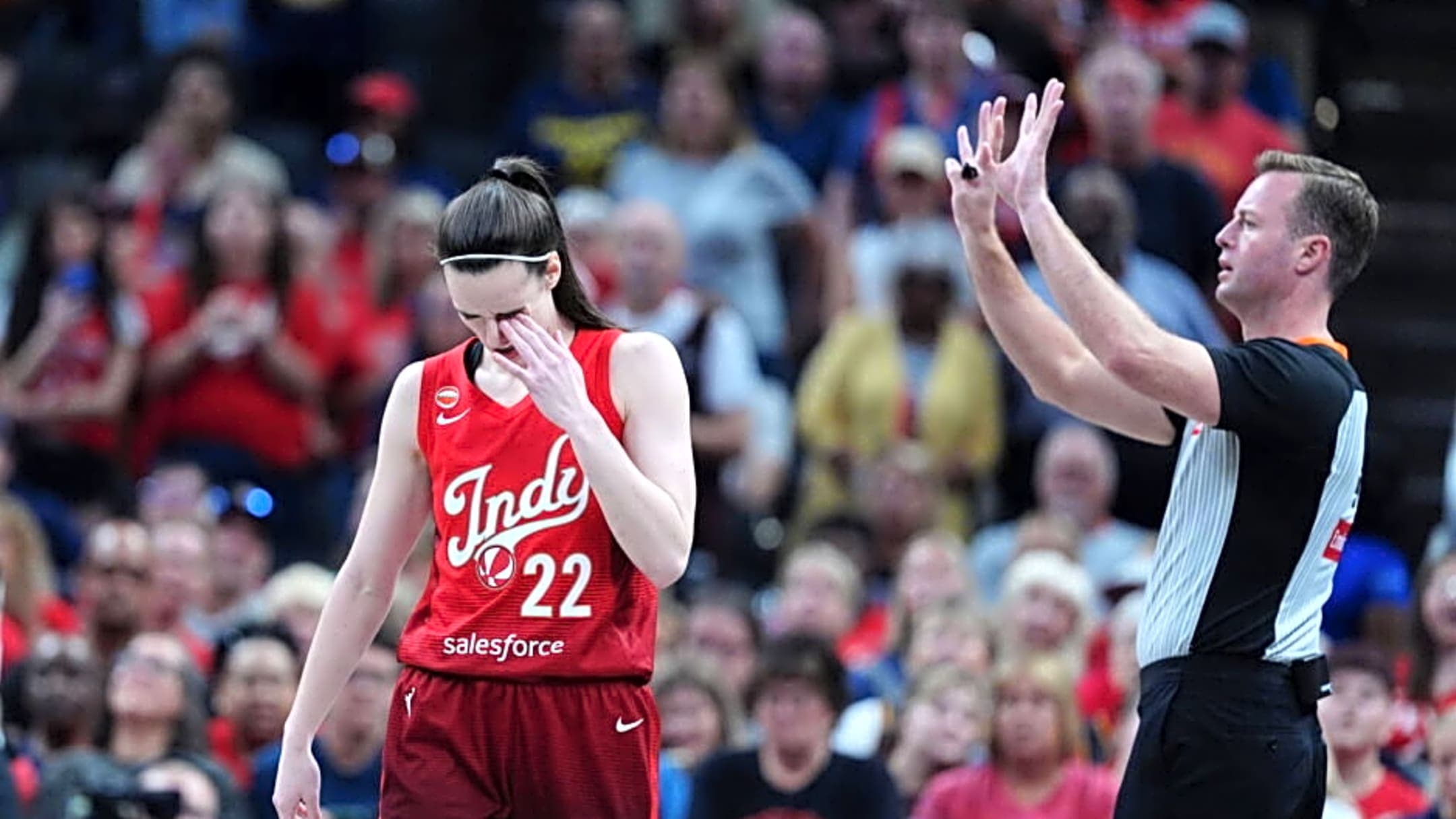
Let's be honest about something the box score will never tell you: Game 3 between the Indiana Fever and the Las Vegas Aces was a war. A win-or-go-home thriller, with two of the league's biggest stars trading haymakers in front of a raucous crowd. And yet, when the final horn sounded, the loudest conversation wasn't about a dagger three or a game-sealing block.
It was about everything that got in the way of the basketball.
A former college basketball player took to social media to blast the reasons the Fever-Aces Game 3 was so hard to watch. Her frustration struck a nerve with fans who tuned in expecting a showcase and got something closer to a slog. Her message was blunt: the stop-start rhythm, the whistle-heavy stretches, and the endless dead time turned a marquee playoff matchup into a test of patience. When a former player calls out the viewing experience, it carries weight - she knows exactly how the game is supposed to flow, and she knows what it looks like when that flow gets chopped to pieces.
The 'Unacceptable' Reasons That Had Fans Reaching for the Remote
So what exactly made it such a tough watch? The former player didn't hold back, and her list is the one every hoops fan has been quietly nodding along to all season.
Start with the officiating. What should have been a showcase for elite playoff basketball turned into a free-throw parade, with both teams spending long stretches at the charity stripe instead of running offense. Whistle after whistle killed the pace, neutralized fast breaks, and robbed the game of the end-to-end action that makes Fever-Aces matchups appointment viewing. Then there's the replay problem - extended monitor reviews that dragged minutes off the clock while everyone in the building waited for a call that fans could often see coming. And layered on top of it all, extended stoppages and slow restarts that turned momentum into a memory.
📊 A single playoff review can stretch past three minutes of real time - and when multiple reviews stack up in the fourth quarter, the final five minutes of game action can take 20-plus minutes of wall-clock time to complete.
That math is exactly why the Fever-Aces Game 3 was hard to watch for so many neutral fans. The basketball itself was gripping; the packaging around it was the problem.
Table: What Went Wrong in Fever-Aces Game 3
| Issue | Impact on the Broadcast | Fan Reaction |
|---|---|---|
| Whistle-heavy stretches | Broken rhythm, free-throw parade | "Let them play" |
| Extended replay reviews | Minutes of dead time, momentum killed | Frustration, channel-flipping |
| Slow restarts and stoppages | Game stretched well beyond its window | Fatigue, disengagement |
| Unclear officiating standard | Players and fans unsure what's legal | Confusion, boos |
Why This Moment Matters Beyond One Bad Broadcast
Here's the thing: criticism like this isn't just complaining. It's a warning shot. The WNBA has never been more visible, and playoff games like Fever-Aces are the league's biggest recruiting tool for new fans. When a former college basketball player calls out the 'unacceptable' reasons Fever-Aces Game 3 was hard to watch, she's pointing at a fixable problem - not a talent problem, not a passion problem, but a presentation problem.
The players showed up. The crowd showed up. The product on the floor was box-office. What fans got between the whistles, though, didn't match the stakes. And when the people who once lived the grind of college and pro hoops are the ones raising the flag, league decision-makers tend to listen.
📊 Playoff viewership spikes when games flow - tighter whistle discipline and streamlined replay have consistently correlated with stronger retention across major sports broadcasts.
The good news? This is coachable. Faster replay protocols, clearer officiating standards, and a commitment to letting playoff basketball breathe aren't radical ideas - they're basic respect for the audience. The Fever and Aces gave us a series worth remembering. Now the league owes fans a broadcast worth watching from tip to buzzer.
Because at the end of the day, the only thing that should ever make a playoff game hard to watch is the opposing defense - not the stoppages. For more on how the league is responding to fan pressure, keep it locked on our WNBA coverage, and check the latest WNBA news and analysis for official updates.