The football world hasn't stopped talking since the initial reports dropped. Now, FIFA has finally stepped up to address the storm head-on. At the center of it all sits FIFA's aggressive push into direct-to-consumer broadcasting. We're talking about the "FIFA+ Premium" tier - a subscription service priced at $4.99/month or $49.99/year that FIFA has been positioning as the new home for international football. The idea of a global streaming hub isn't exactly groundbreaking. But here's the catch: what FIFA wants to put behind that paywall.
The plan, first teased back in March, immediately drew heavy skepticism from European leagues. The real panic, though, hit when FIFA reportedly floated the notion of moving a slate of premium international fixtures - qualifiers included, and potentially lucrative friendlies - exclusively to the new platform. For the European football establishment, led by UEFA, that was the ultimate red line. UEFA's subsequent boycott threat wasn't purely about money. It was about control. The fear? FIFA is bypassing traditional broadcast partners and, more critically, disrupting the delicate financial ecosystem that clubs and national associations depend on. FIFA's latest statement tries to quell those fears. But has it done enough?
📊 $49.99/year - FIFA+ Premium’s annual price point that has European leagues up in arms over broadcast control.
Breaking Down FIFA’s Official Response
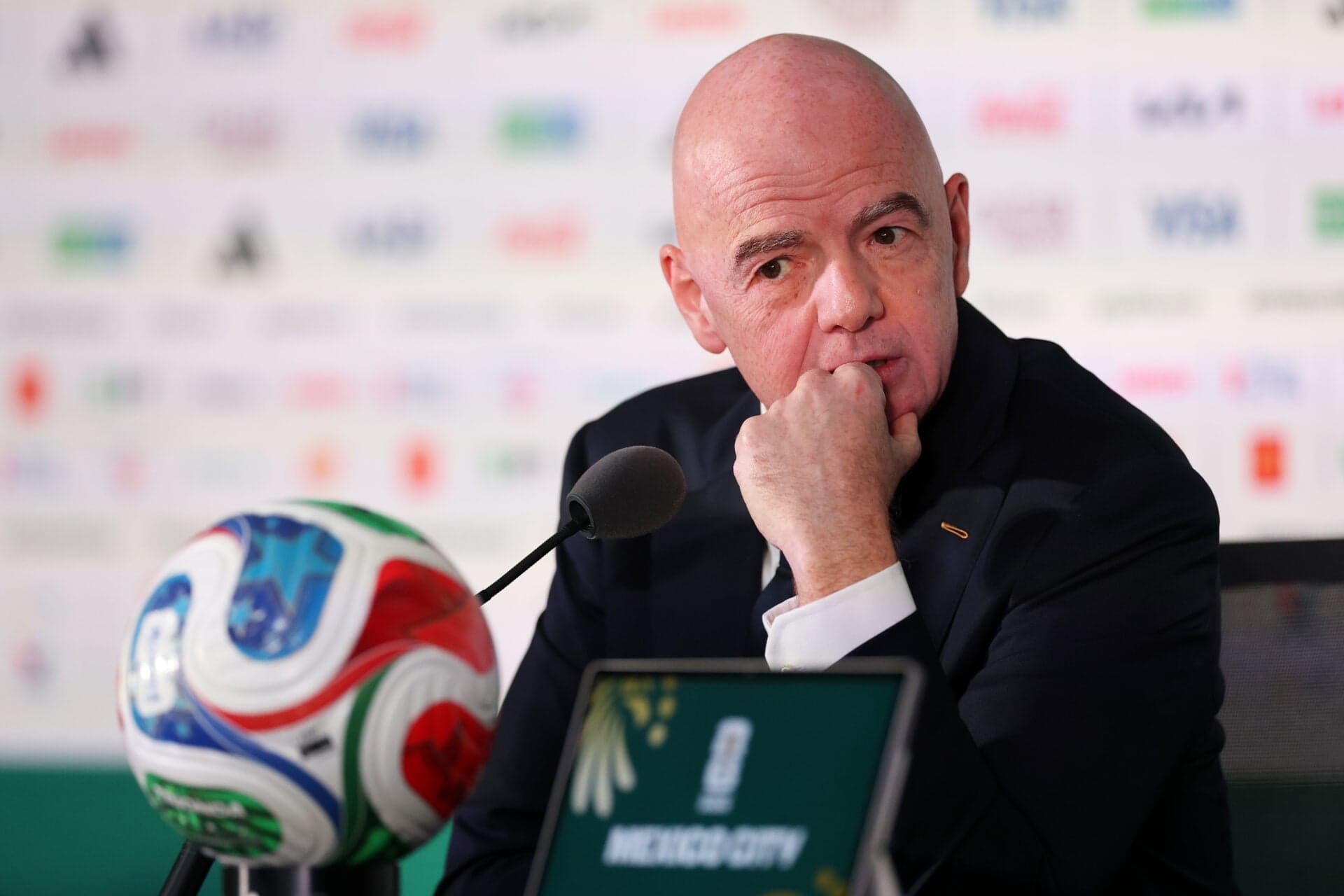
This morning, FIFA released a much-anticipated clarification aimed at cutting through the noise. The governing body insists its commercial strategy has been "misunderstood" - and that the plan isn't an attempt to monopolize the international match calendar. Here's the key message: FIFA claims the new OTT platform is a complementary service, not a replacement. They're pitching it as a way to grow the global audience for women's football and lesser-known national teams who currently get zero visibility on traditional TV deals.
FIFA also took aim at the scheduling and prize money concerns directly. The statement claims no existing broadcast commitments for major tournaments like the 2026 World Cup will be disrupted. They also hinted at a revised revenue-sharing model for participating nations in the new Club World Cup - a sore spot that triggered public complaints from elite European clubs like Real Madrid and Bayern Munich back in 2025. Yet critics are already dismissing this as "damage control." European insiders argue that FIFA's promise of "dialogue" rings hollow when the commercial contracts have reportedly already been drafted and circulated to select agencies. The clarification also conveniently sidesteps any specific timeline or caveat regarding UEFA's new €2.4 billion Champions League deal with beIN Sports. Some see that as FIFA testing the waters for a bidding war.
Table: Key Financial Stakes in the Broadcasting Battle
| Entity | Deal Value | Timeline | Status |
|---|---|---|---|
| UEFA Champions League (beIN Sports) | €2.4 billion | 3-year deal (2026-2029) | Confirmed July 2026 |
| FIFA+ Premium subscription | $4.99/month | Ongoing | Launched March 2026 |
| Club World Cup broadcasting (DAZN) | $1 billion+ | Multi-year | Confirmed June 2025 |
What This Means for the Future of Football Broadcasting
Regardless of who comes out on top, how we watch the beautiful game is shifting under our feet. If FIFA gets to carve out a slice of the international calendar for its own premium platforms, that sets a dangerous precedent. UEFA did exactly that with the Nations League - but here's the difference: UEFA is a confederation running its own competitions. FIFA is the ultimate governing body. Acting as both regulator and broadcaster creates a clear conflict of interest that European clubs are primed to attack.
What does this mean for fans in practical terms? Fragmentation. Rather than flipping to one network for international breaks, you might need two or three subscriptions. FIFA+ dangles cheaper access as a carrot, but the stick is the potential loss of free-to-air visibility for key matches. This week's clarification amounts to a stopgap. The underlying tension remains unresolved. And let's not forget the legal precedent: the European Court of Justice ruled against FIFA last year for breaching EU competition law. That judgment still looms large. Any move that resembles an anti-competitive power grab will almost certainly face a swift legal challenge from UEFA or domestic leagues.
📊 €2.4 billion - UEFA’s new Champions League broadcasting deal with beIN Sports, signed July 1, 2026, signaling the financial firepower on both sides.