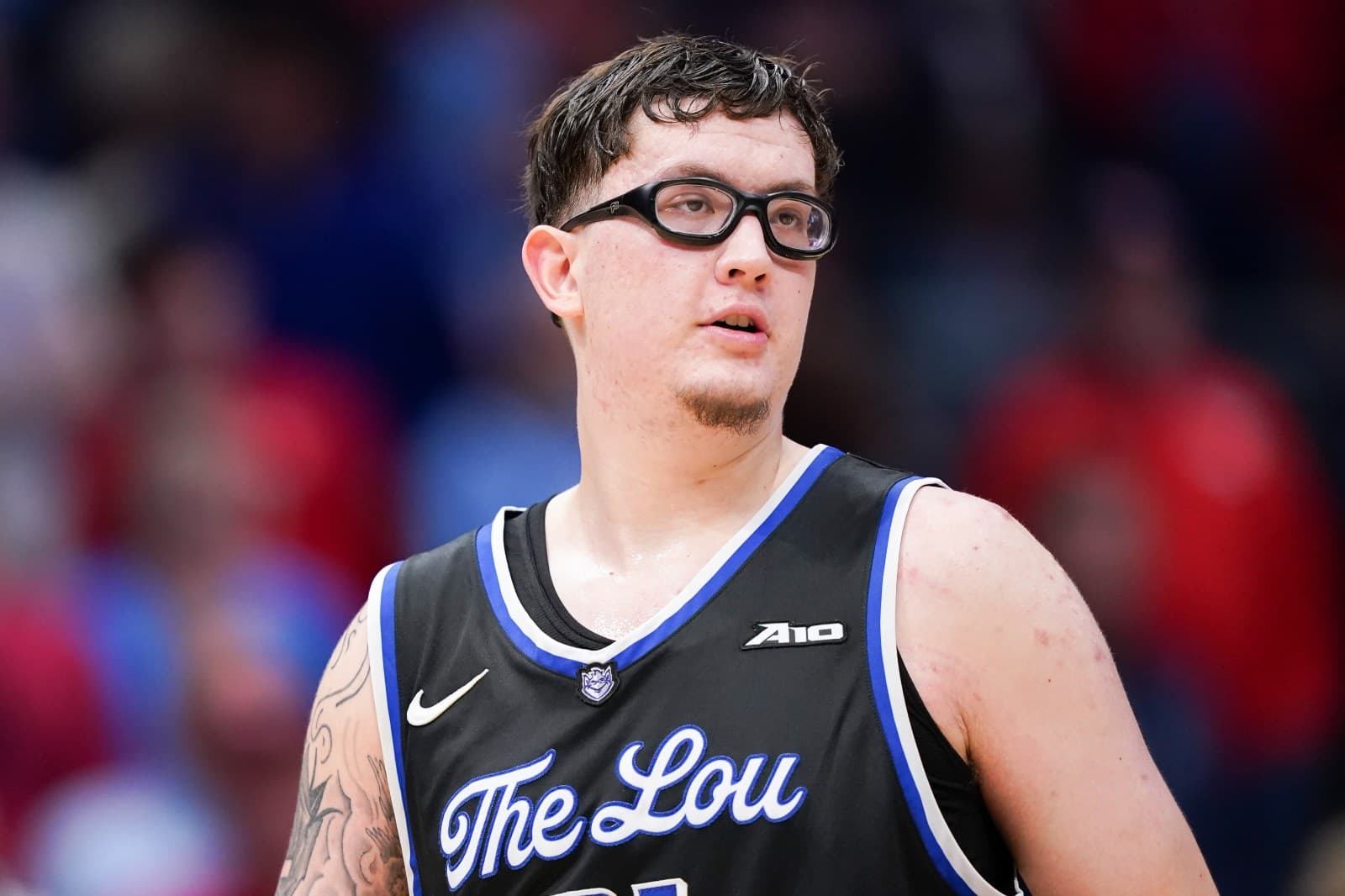
Fort Worth is buzzing. TCU basketball circles are churning over a report that a Former College Basketball Star Set to Join TCU After Brief Lakers Stint - and Horned Frogs fans are already dreaming of a splash addition to Jamie Dixon's roster. It's a tantalizing idea: a proven college scorer, hardened by a taste of NBA life, walking into the Big 12 gauntlet ready to prove he belongs.
Time to pump the brakes. That headline - a Former College Basketball Star Set to Join TCU After Brief Lakers Stint - is circulating without a confirmed player name attached. Get Sports Journals is tracking the situation, not confirming it. No verified identity. No verified signing. No verified timeline. We won't pretend otherwise.
Consider the "brief Lakers stint" framing. A Los Angeles cameo that short usually means one of two things: a two-way contract or a 10-day look. Those are whirlwind experiences - practice reps, garbage-time minutes, a blur of travel and little else. It's the kind of stint that leaves a player hungry and, in theory, open to a return to campus life under the right circumstances.
The Eligibility Question That Could Sink the Whole Thing
Here's the part social media would rather skip: the NCAA rulebook. Signing a professional contract and appearing in NBA games generally ends college eligibility. A return to college after an NBA stint is the rare exception, not the rule - which is exactly why this story needs a giant asterisk stamped on it.
So what would have to be true for this to work? Several things would have to line up: no compensation beyond permitted expenses, a clean paper trail on agent involvement, or a specific waiver scenario the NCAA is willing to entertain. The burden of proof falls squarely on the player and the school - and compliance offices don't hand out waivers like game-day programs.
> 📊 NCAA rules generally treat signed pro contracts and NBA game action as eligibility-enders - which is why any return-to-college report after a pro stint deserves skepticism until compliance signs off.
Be deeply skeptical of viral versions that skip the compliance details entirely. If a tweet calls it a done deal but can't explain how the eligibility math works, it isn't reporting - it's wishcasting.
What TCU's Roster Would Gain - And What It Would Cost
Let's play the fun game first: if it happens, what do the Horned Frogs actually get? A veteran with college scoring pedigree and NBA-level exposure. Instant maturity in a league that eats young rosters alive. A credibility boost for a Dixon program always fighting for footing in the Big 12's upper tier.
Table: Report Checkpoints and Current Status (as of November 13, 2026)
| Checkpoint | What It Would Confirm | Current Status |
|---|---|---|
| Named player confirmed by TCU or national insiders | The identity of the "former college star" | Unconfirmed |
| Official NCAA compliance ruling | Whether eligibility can be restored | Pending / unreported |
| School announcement from Fort Worth | A formal signing or commitment | Not issued |
Then there's the cost side. Scholarship math under Dixon would require shuffling - roster spots are finite, and someone's role gets squeezed. Locker-room chemistry is a real variable when a newcomer arrives with pro experience and expectations. And if the NCAA says no after weeks of hype, the PR hit lands hard on everyone involved.
What to Watch Next - And What We Won't Do
Our reporting standard is simple: Get Sports Journals won't name a player, cite stats, or quote a signing date until it's verifiable. Speculation helps nobody - least of all fans who deserve straight answers. For broader context on how the NCAA handles eligibility and amateurism cases, the NCAA's official eligibility resources remain the definitive reference, and ESPN's college basketball coverage is the fastest way to track national insider confirmations.