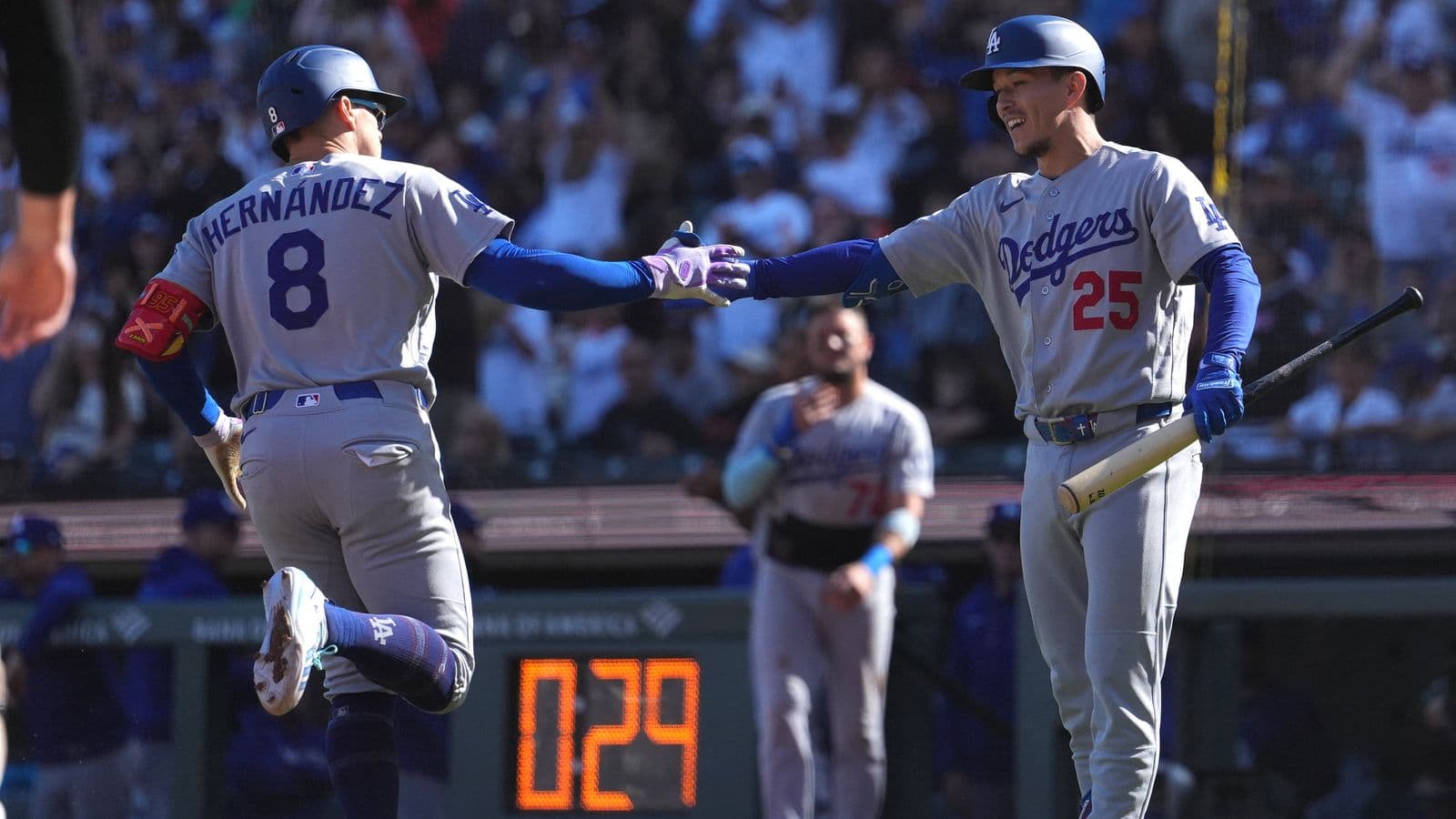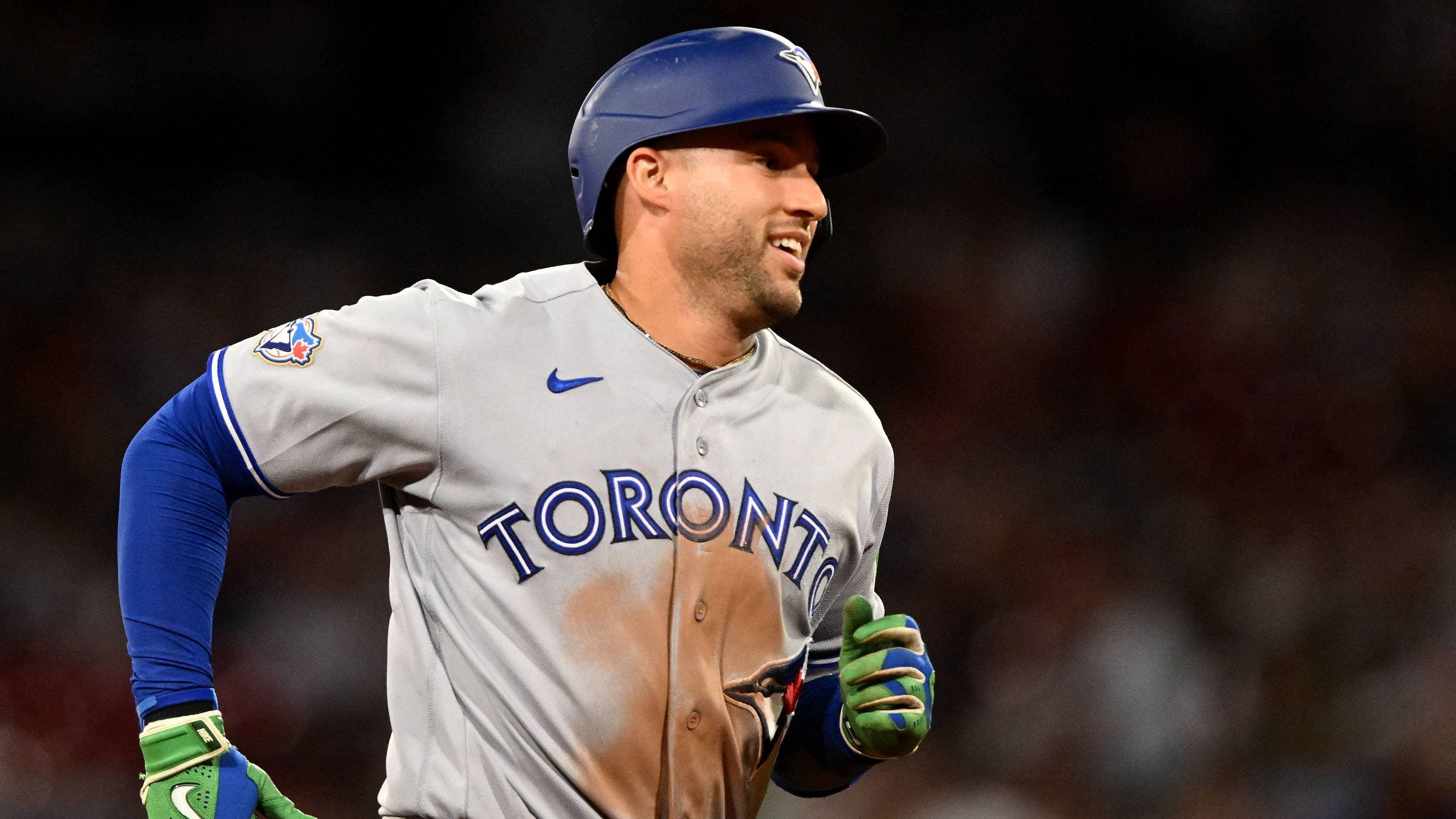
That photo of George Springer reacting at home plate isn't just a snapshot from a chilly April evening at Fenway Park - it's the defining visual of his 2026 reinvention. When the veteran slugger connected against the Boston Red Sox on April 19, he wasn't merely helping the Blue Jays secure a 5-4 victory. He was announcing that his transition to full-time designated hitter would not diminish his offensive firepower. That reaction, captured by the Associated Press, showed a player who had found a new lease on his veteran career.
For a guy who spent years patrolling right field with reckless abandon, this season represents a seismic shift in how he approaches his craft - and the results speak volumes. The emotion pouring out of Springer in that moment wasn't just about one dinger on a cold Boston night. It was about proving to himself, his teammates, and every skeptic in the baseball world that age is just a number when your bat still has pop. The Blue Jays designated hitter George Springer (4) reacts after hitting a home run against the Boston Red Sox, and that image has become the rallying cry for a team desperate to crash the postseason party.
Why This Home Run Matters Beyond the Box Score
This specific blast came at a critical juncture. It was the type of hit that signaled to the Toronto organization that their faith in an unconventional roster decision was paying off. Springer's shift to DH was a significant philosophical change for a player who built his reputation on highlight-reel catches in right field. By going deep against a division rival in April, Springer validated the front office's strategy to preserve his legs while maximizing his bat. The win pushed the Blue Jays to an early-season momentum that has carried them into the thick of the AL East race.
Moreover, that April swing is a microcosm of his 2026 stat line. He currently leads the team with 84 appearances as the designated hitter, and his 17 home runs and 48 RBIs prove he hasn't lost any bat speed. His .241 average might not jump off the page, but his .341 on-base percentage and his OPS+ of 112 - his highest mark since 2021 - indicate a hitter who is controlling the strike zone better than he has in years. That April game at Fenway wasn't a fluke; it was the start of a campaign that has seen him post .268 with 6 homers and 14 RBIs in July alone.
📊 17 home runs and 48 RBIs in 2026 - Springer's power numbers remain elite despite shifting to a full-time DH role for the first time in his career.
| Month | AVG | HR | RBI | OPS |
|---|---|---|---|---|
| April | .218 | 4 | 10 | .712 |
| May | .245 | 3 | 11 | .735 |
| June | .251 | 4 | 13 | .764 |
| July | .268 | 6 | 14 | .823 |
Free Agency Looming: The Contract Narrative
The Weight of a Final Year
You can't talk about George Springer's 2026 season without addressing the elephant in the room: this is the last year of his massive 6-year, $150 million deal. As the calendar flips to August 3, the clock is ticking louder than the Fenway crowd on Patriots' Day. With no extension talks publicly reported, every swing he takes carries the weight of his next contract.
His durability has been a major storyline. Since June 15, Springer has not missed a single game, playing in 96 of the team's 109 contests. For a 36-year-old in his 10th MLB season who has dealt with injuries in recent years, this availability is a massive selling point. The fact that he is producing at this level while staying healthy is a direct result of the DH role. He is no longer risking his body crashing into outfield walls. Instead, he is conserving energy and punishing fastballs, making him one of the most attractive rental bats on the market - whether Toronto decides to buy or hold.