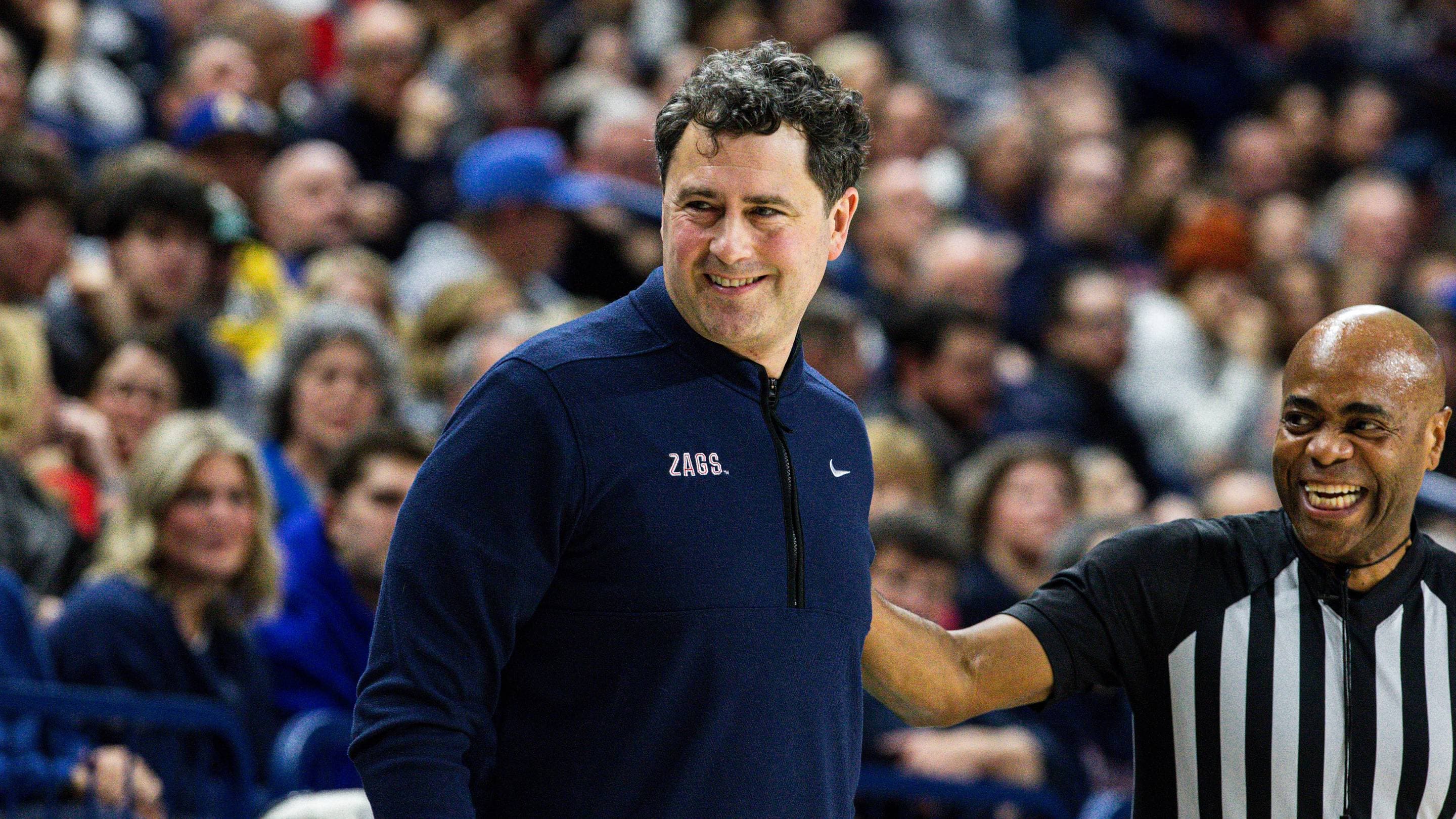
In college basketball, the head coach grabs the headlines. The five-stars grab the hype. The assistants? They grab the grind. For the Gonzaga Bulldogs, one of the most valuable grinders in the building is Gonzaga Bulldogs assistant coach Brian Michaelson - a name that never trends on social media but shapes nearly every meaningful roster decision the program makes.
Michaelson isn't some hired gun passing through Spokane. He's a lifer - a former walk-on who turned relentless work ethic into a career on Mark Few's staff. And as the 2026-27 season approaches, he remains one of the steadiest hands in the sport. Here's why he matters more than ever.
Who Is Brian Michaelson? The Lifeline of Gonzaga's Recruiting Engine
From Walk-On to Cornerstone
Michaelson's story with Gonzaga isn't transactional. It's a family story. A former walk-on guard for the Bulldogs in the early 2000s, he parlayed a high basketball IQ and an unglamorous, show-up-every-day mentality into a staff role under Few - steadily climbing the ladder inside one of college basketball's most stable and successful programs.
Consider the era we live in. Assistant coaches jump ship for lateral moves every single spring, chasing bigger titles and bigger paychecks. Michaelson's longevity in Spokane says everything about how the program values him - and how he values the program. In a sport defined by motion, he's the guy who stayed.
What He Actually Does
Michaelson's fingerprints are all over Gonzaga's operation, but his most visible impact comes on the recruiting trail. In the modern NIL-and-transfer-portal arms race, having a trusted evaluator who can identify fit - not just talent - is a genuine competitive advantage. Plenty of programs can spot a top-50 recruit. Far fewer can tell which one will actually thrive in their locker room for three years.
Michaelson has been central to the staff's work building and maintaining the rosters that kept Gonzaga in the national conversation. His player-development duties make him the bridge between the recruiting pitch and the on-court payoff. He's selling the vision on a living room couch in July, then living it in the gym in October. That duality is rare, and it's why Few trusts him.
📊 Gonzaga has remained a fixture in the national polls and NCAA Tournament conversation across more than two decades - a run built as much on staff continuity as on star power.
Why Michaelson Matters in the 2026-27 Bulldog Blueprint
Continuity in a Sport of Chaos
College basketball's roster churn has never been wilder. The portal reshuffles rosters every April. NIL money moves faster than scouting reports. Loyalty gets treated like a rounding error. Gonzaga's counter-strategy has always been stability - Few's staff continuity is a feature, not a coincidence, and Michaelson embodies it.
When programs lose assistants, they lose institutional knowledge: relationships with high school and grassroots coaches across the West Coast, a feel for the regional recruiting landscape, years of accumulated trust with players who came up through those pipelines. Michaelson is the anti-turnover insurance policy. Every spring, when rival fanbases refresh their feeds for staff news, Gonzaga fans mostly get to relax. That quiet stability is a recruiting weapon all by itself.
| Factor | Typical Power-Program Reality | Gonzaga Under Mark Few |
|---|---|---|
| Assistant turnover | Near-annual changes | Rare; continuity prioritized |
| Recruiting identity | Reset with each new staff | Consistent, fit-first evaluation |
| Institutional knowledge | Rebuilt every few years | Preserved across seasons |
| Program culture | Vulnerable to churn | Reinforced by long-tenured staff |
The Next Chapter of Gonzaga Basketball
With Gonzaga now competing in the reconfigured Pac-12 landscape, the staff's job has expanded in a hurry. Assistants aren't just selling Gonzaga the brand anymore. They're selling a new conference home, new road trips, new rivalries, and a schedule that recruits and their families are still learning. That's a real adjustment, and it lands hardest on the coaches doing the day-to-day relationship work.