Pep Guardiola has a forward-line puzzle on his hands as his talisman battles fitness. Here's how City could line up - and who steps up.
The State of Play: Two Absences, One Big Question
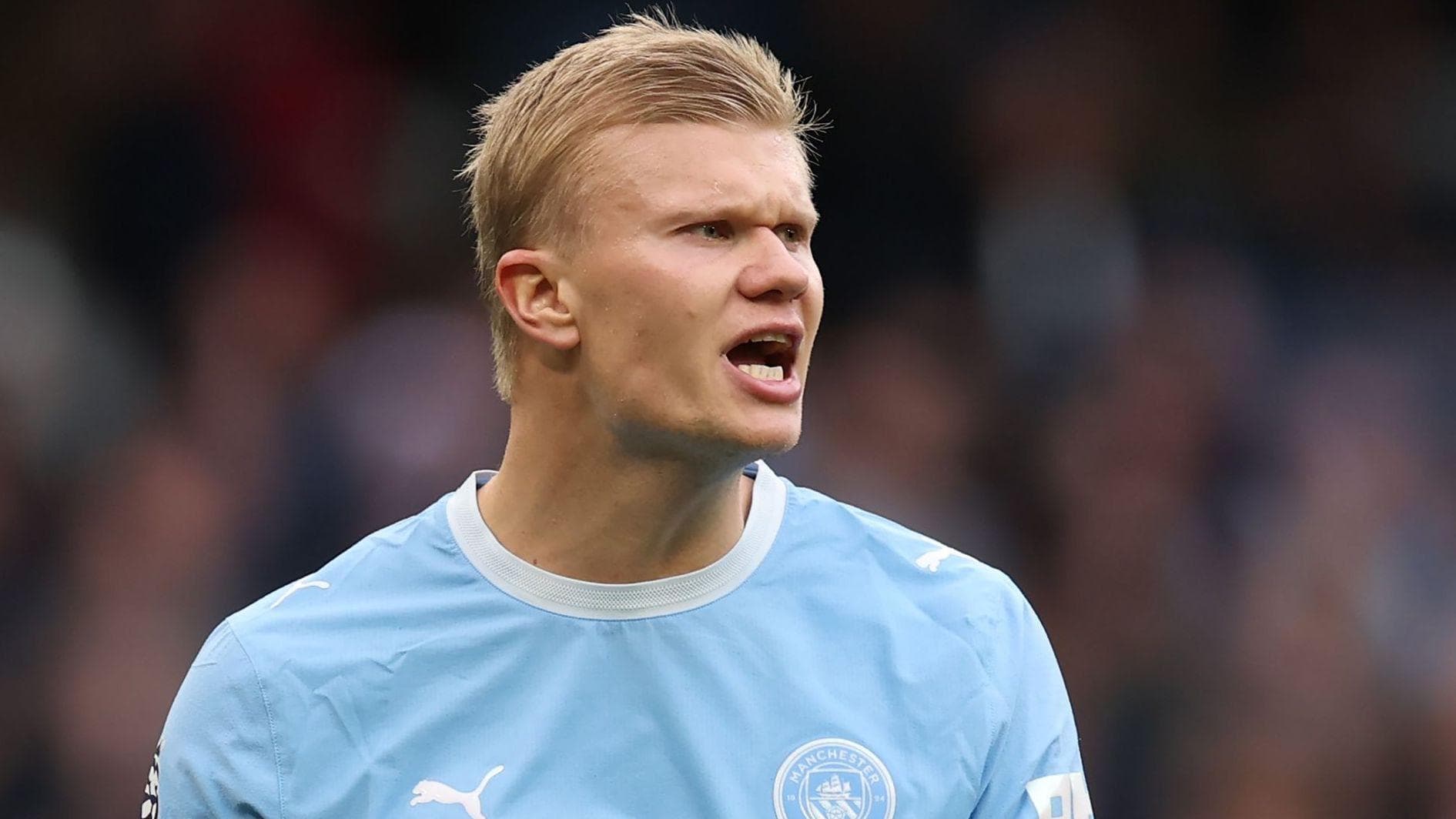
Manchester City head into a crucial Premier League fixture with a familiar, unwelcome shadow hanging over their preparations: Erling Haaland is flagged as a fitness doubt. Guardiola's pre-match press conference did little to calm nerves. The Catalan confirmed his No. 9 was being assessed after a training-ground concern and faces a late fitness test. In plain terms, City's entire attacking blueprint is on standby - and the football world is watching.
On the other side, Bournemouth arrive without Antoine Semenyo, and that matters more than the casual fan might think. The winger's explosive pace in transition is the Cherries' primary counter-attacking weapon - the outlet that turns defensive recoveries into breakaway chances in seconds. Without him, Bournemouth's threat on the break shrinks dramatically. The tactical picture shifts: City's full-backs can push higher, squeeze the pitch, and keep the visitors pinned deep. Every absence has a ripple effect, and Semenyo's is felt as much inside City's build-up plan as it is in Bournemouth's front line.
The stakes? Enormous. City sit at the top end of the table, which means dropped points in a fixture like this get magnified across the entire title race - every rival is watching this team sheet drop. That's why Haaland's status dominates the narrative. But here's the deeper truth: this isn't just about who scores. It's about how City's entire attacking structure changes without their No. 9 - the pressing shape, the crossing patterns, the way the team pins opponents back.
Pep's Front-Line Options Without Haaland
The False Nine Route
First option off the board: the false nine. Phil Foden dropping into the central role has been Guardiola's trusted emergency valve before, and it fits this squad's DNA beautifully. Foden's late runs, close control in tight pockets, and ability to swap positions mid-phase give City fluid rotations that low blocks genuinely struggle to mark. Add a midfielder stepping higher to crash the box, and suddenly you have overloads in the half-spaces that drag centre-backs out of position.
The catch? City lose their penalty-box finisher and their aerial threat from crosses. Against a deep Bournemouth block, that missing focal point can turn dominant possession into a lot of pretty passing with nothing to show for it. Guardiola has to weigh control against cutting edge. That's the false nine gamble in a nutshell.
Wide Forwards Through the Middle
The second route is shifting a wide forward inside to play through the middle. City's rapid wingers offer something entirely different from Haaland: pace in behind, channelling defence-splitting through balls and turning defenders to face their own goal. It's chaos-ball in the best sense.
The trade-off is structural. Without a focal point, width suddenly becomes precious - the remaining wide men must hold the flanks and keep the pitch stretched while the central striker-in-disguise attacks the box from deep. City maintain their stretch, but the finishing burden gets spread across the front line rather than concentrated on one elite poacher.
The Academy Wildcard
Never rule out the Academy wildcard. City's youth pipeline keeps churning out first-team talent, and Guardiola has a genuine history of trusting young players in big moments - cup appearances have long been his testing ground for the next generation. If a young striker has been knocking on the door in recent squads and cup outings, this is exactly the scenario where a brave boss rolls the dice.
Risk versus reward is the whole conversation here. A debutant against a Premier League press is a brutal environment - but City's structure is built to shelter a young striker. Haaland a doubt, Semenyo out - what are Man City's options? suddenly becomes a question with an unexpectedly romantic answer.