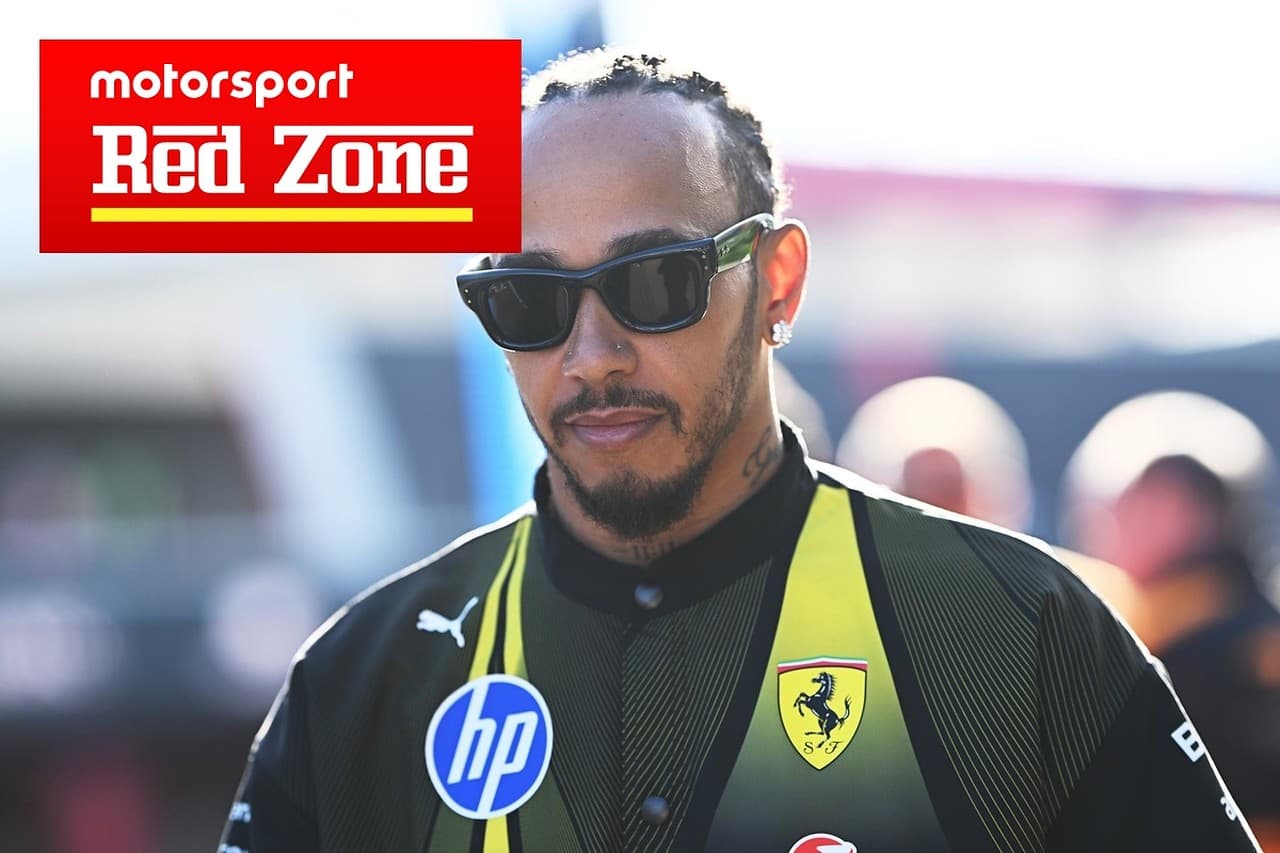
Lewis Hamilton has never been shy about speaking his mind. Now the seven-time world champion has dropped a bombshell that has the entire F1 paddock talking. Wearing Ferrari red, Hamilton declared he would back a return to naturally aspirated V8 engines - and launched a stinging critique of the incoming 2026 power units, claiming the new-generation cars are "dying" on the straights.
The comments, reported during the São Paulo Grand Prix weekend in November 2025, landed with maximum impact. Here was the sport's biggest star - driving for its most iconic team - publicly questioning the direction of Formula 1's next regulation cycle. This isn't a driver reminiscing about the good old days over a glass of wine. This is a seven-time champion diagnosing what he sees as a fundamental flaw in how the 2026 cars will deploy power.
For fans who remember the screaming, visceral V8 era that ran from 2006 to 2013, Hamilton's endorsement of a return to simpler, louder power units will resonate deeply. The current turbo-hybrid V6s have long been criticized for their muted sound and complex energy management systems. Hamilton's stance positions him firmly on the side of those who believe racing should prioritize spectacle and driver control over technical complexity.
It's important to note that as of November 19, 2026, no verified follow-up statements or official responses to Hamilton's comments have been confirmed. We're reporting what's verified from the São Paulo weekend and flagging what remains unconfirmed - because in Formula 1, silence from the powers that be often speaks volumes.
What Hamilton Actually Said - and What "Dying" Means
So what exactly does Hamilton mean when he says the 2026 cars are "dying" on the straights? The answer lies in the intricate dance of energy deployment that defines modern hybrid power units. Under the current regulations - and even more so with the 2026 rules - drivers must carefully manage their electrical energy throughout a lap. Deploy too much early and you're left defenseless at the end of a long straight, the car literally running out of electrical assist and going flat.
Hamilton frames this as a racing-product problem, not merely a technical curiosity. When a car "dies" on the straight, it robs fans of wheel-to-wheel battles and puts the outcome in the hands of energy management algorithms rather than driver bravery and skill. For a driver who built his legend on late-braking overtakes and aggressive racecraft, this is a deeply personal criticism.
His V8 endorsement follows the same logic. A naturally aspirated V8 delivers power linearly and consistently - what you hear is what you get. There's no deployment strategy to manage, no battery to deplete, no sudden drop-off at 300 km/h. It's simpler, louder, and arguably more visceral. The engine formula Hamilton grew up idolizing, and the one a generation of fans still romanticizes, represents everything the 2026 regulations are moving away from.
> 📊 7 world championships - Hamilton's credentials give his technical criticism enormous weight in paddock debates.
The 2026 Rules Under Fire: What's Changing and Why It Matters
To understand Hamilton's frustration, you need to understand what's coming. The 2026 power unit regulations represent the most significant technical overhaul in over a decade.
Table: 2026 F1 Power Unit Regulations vs. Previous Era
| Component | 2026 Regulations | Pre-2026 (Current) |
|---|---|---|
| Internal Combustion Engine | 1.6L V6 turbo-hybrid | 1.6L V6 turbo-hybrid |
| Power Split (ICE/Electric) | ~50/50 | ~80/20 |
| MGU-H (Motor Generator Unit - Heat) | Removed | Present |
| Fuel Requirement | 100% sustainable fuels | E10 blended fuel |
| Electrical Deployment | Significantly increased | Limited |
The headline shift is that roughly half of the power output will come from the electrical component, a dramatic increase from the current era. The MGU-H - long considered the most complex and expensive component in the power unit - is being eliminated entirely. And 100% sustainable fuels become mandatory, a crucial step toward Formula 1's net-zero carbon goals.