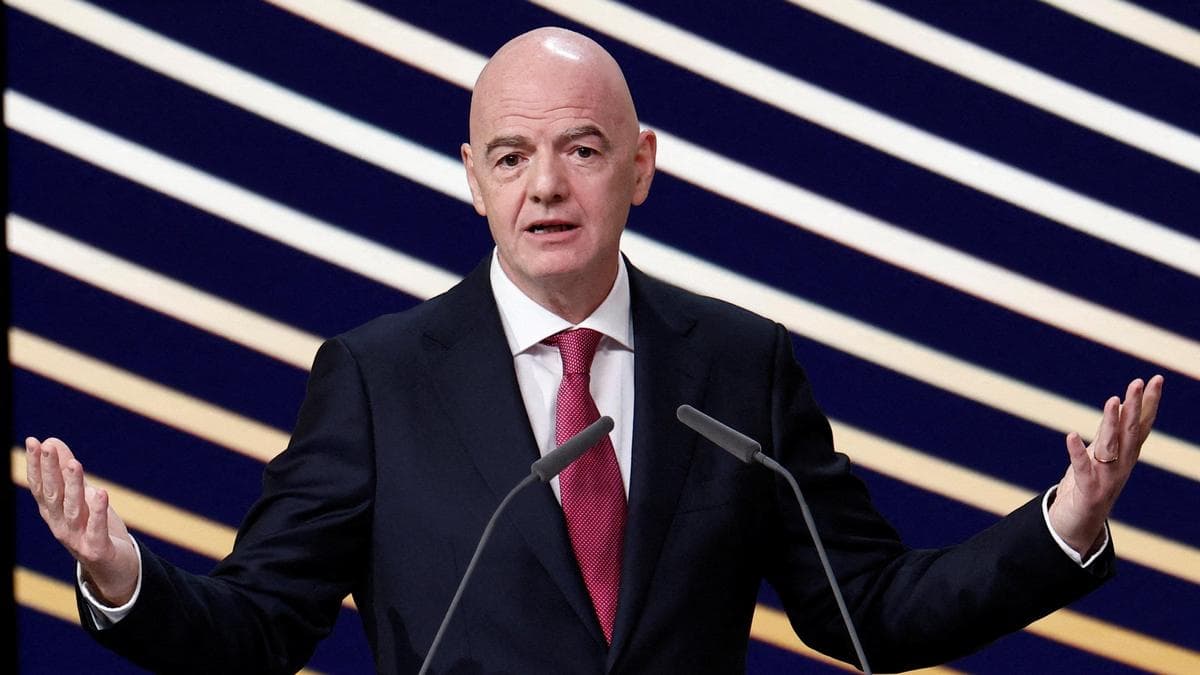
Gianni Infantino is back in the spotlight with a phrase that’s become his calling card in recent years: “an opportunity but not an obligation.” At a Zurich press conference today, the FIFA President unveiled the “Global Calendar Flexibility” proposal - a fresh blueprint that stops short of a biennial World Cup but could reshape the international football calendar in ways fans haven’t seen before.
The Context: Infantino Revives a Familiar Phrase in 2026
A Déjà Vu Moment for the Football World
If you’ve followed FIFA’s moves over the past five years, this feels familiar. In 2021, Infantino used nearly identical words to pitch a biennial World Cup. That proposal crashed and burned under fierce opposition from UEFA, top European clubs, and player unions. By 2025, the biennial dream was effectively dead.
But now, in July 2026 - just weeks after the 2025 Club World Cup wrapped in the United States - Infantino is back with a new version. The “Global Calendar Flexibility” proposal isn’t about playing the World Cup every two years. Instead, it lets national associations shift the men’s World Cup to a different “event window” every four years, avoiding clashes with European domestic seasons.
Key difference from 2021/2025: The proposal is not for a straight biennial World Cup, but a shifting "event window" for the men's World Cup to avoid clashing with European domestic seasons.
Infantino’s exact words: “No one is forcing change. This is a door, not a mandate. An opportunity, not an obligation.”
What Does “Event Window” Actually Mean?
Under the plan, a country could bid to host the World Cup in June-July (like current cycles), or they could opt for a January-February or May-June slot - provided it doesn’t overlap with domestic leagues. The goal? Open up more hosting opportunities for nations with extreme climates or other constraints.
📊 48% of FIFA member associations support the flexible window concept, according to a leaked internal survey from June 2026. - Infantino used this stat to argue the plan has “broad backing.”
| Option | Timing | Hosting Regions Likely | Duration | Clash Risk |
|---|---|---|---|---|
| Traditional Summer Window | June - July | Europe, Americas | 28 days | Low (European off-season) |
| Winter Window | January - February | Middle East, Asia | 24 days | Medium (European mid-season) |
| Spring Window | May - June | Africa, South America | 24 days | Low (post-season for most) |
FIFA claims this flexibility would allow the World Cup to be held every four years but in a year that works best for the host and global calendar. Critics see it as a backdoor to more events.
The 2026 Reality: Club World Cup vs. National Team Dreams
The Lingering Tension from the 2025 Club World Cup Experience
You remember last summer? The 2025 Club World Cup - 32 teams, played across the US - was supposed to be FIFA’s grand new showpiece. Instead, it sparked a war of words between clubs, leagues, and national federations. Real Madrid threatened to boycott. Players like Erling Haaland and Kylian Mbappé publicly questioned the schedule. The tournament itself drew mixed crowds and lukewarm TV ratings.
Now, Infantino is using that same tension as fuel for his new proposal. “The Club World Cup showed us that the calendar is broken,” he said today. “But instead of forcing a fix, we’re offering a choice.”
The “Opportunity”: Offering federations a chance to host a condensed (24-day) World Cup in years outside the current cycle (e.g., 2032). That means a nation like Saudi Arabia, Indonesia, or India could bid for a winter World Cup in 2032 without stepping on toes of the traditional 2026, 2030, 2034 rhythm.
The “Not Obligation”: FIFA is framing this as a voluntary opt-in for top-tier nations, with the promise that teams can stick to the traditional 4-year cycle without penalty. Infantino was adamant: “No federation, no player, no fan will be forced to participate in a calendar shift. This is purely additive.”