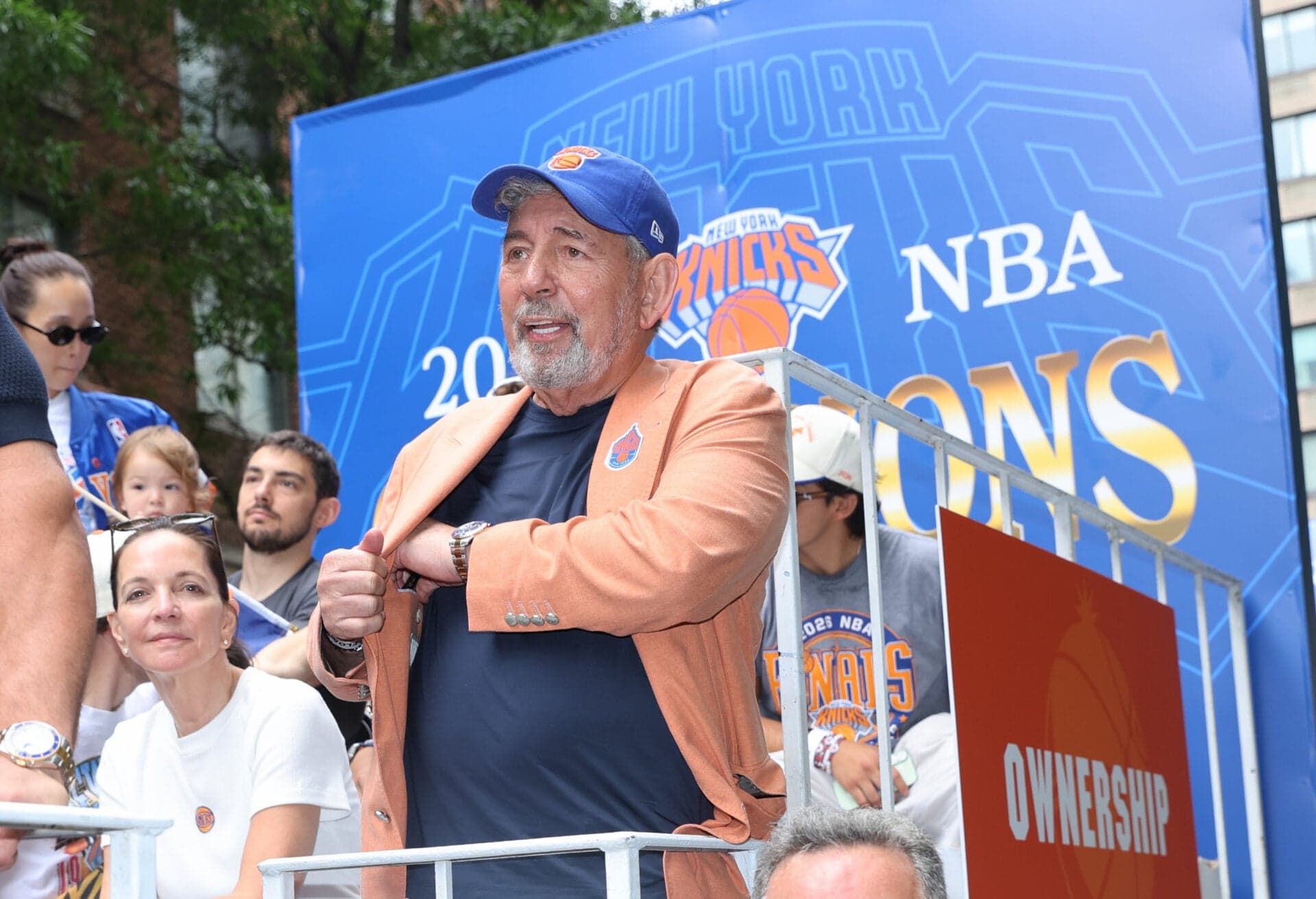
Jemele Hill has never been the type to whisper. So when she turned her fire on James Dolan and the way the Knicks owner reportedly treats the people who work for him, New York hoops fans felt the heat immediately. Hill’s verdict - that Dolan’s behaviour toward Knicks staff is “utterly despicable” - landed like a hard foul in the fourth quarter, and the sports world is still checking the replay.
For anyone who somehow needs the primer: Hill is one of the most respected voices in American sports media. The former ESPN anchor built her reputation on fearless commentary, later wrote for The Atlantic, and now drives conversation through her podcast. Her voice carries weight because she doesn’t fire off hot takes and vanish - when Hill calls something out, people listen, and the establishment squirms.
Why does this land so hard right now? Because the Knicks are always under the microscope, and because Dolan has a mile-long history of public friction that makes any new allegation feel less like a shock and more like chapter forty of a book everyone’s already read. This isn’t a media spat between a pundit and a billionaire. It’s about how the most powerful man in New York basketball treats the rank-and-file employees who keep the machine running - the staffers who don’t have a mic, a platform, or a PR team.
Why Dolan’s Track Record Makes Hill’s Criticism Land
The Pattern, Not the One-Off
Here’s the thing about Hill’s critique: nobody who follows New York sports can call it a bolt from the blue. Dolan’s tenure as MSG chairman is a masterclass in public friction. There was the 2017 Charles Oakley incident, when a beloved Knicks icon was escorted out of the Garden and later banned - a saga that turned a fan favorite into a symbol of ownership overreach. There were the 2023 bans on certain attorneys from MSG venues, a move widely read as retaliation against critics. There have been feuds with media members, former employees, and fans who dared to speak up.
So when Hill frames Dolan’s treatment of Knicks staff as “utterly despicable,” it doesn’t exist in a vacuum. It slots into a documented pattern - and that’s exactly why it stings. One bad day is a mistake. A decade-plus of friction is a culture. Hill’s comments give fans language for something they’ve felt in their gut for years: the problem isn’t a single incident, it’s the operating system.
What “Despicable” Behaviour With Staff Means
The sharpest edge of Hill’s criticism is where it points: not at stars, not at executives, but at the staffers behind the scenes - the people running game nights, handling logistics, making the organization function while earning a fraction of what the roster makes. When an owner’s behaviour trickles down to that level, it cuts deepest with fans and players alike, because everybody in the building knows somebody like that.
📊 [The 2017 Charles Oakley incident remains the defining flashpoint of Dolan-era fan friction] - A beloved franchise legend removed from the Garden and banned - proof that no one is insulated from ownership’s mood.
Position Hill’s critique within the broader conversation about accountability in NBA ownership. Players get fined for criticising refs. Coaches get fined for criticising calls. But ownership? Ownership answers to almost no one - except the journalists willing to say the uncomfortable thing out loud. That’s the space Hill occupies, and it’s why her words carry more weight than a thousand angry posts.
The Fallout: What This Means for the Knicks and Dolan
The story is spreading fast across New York’s sports outlets and social platforms, with fans, former players, and media figures weighing in on Hill’s remarks. The reaction says a lot: this isn’t being treated as a one-day talking point - it’s being filed alongside the Oakley saga and the attorney bans as part of the Dolan ownership file. As of October 24, 2026, the silence from MSG and Dolan’s camp is itself a statement - and in New York, silence reads as either strategy or stonewalling, never indifference.