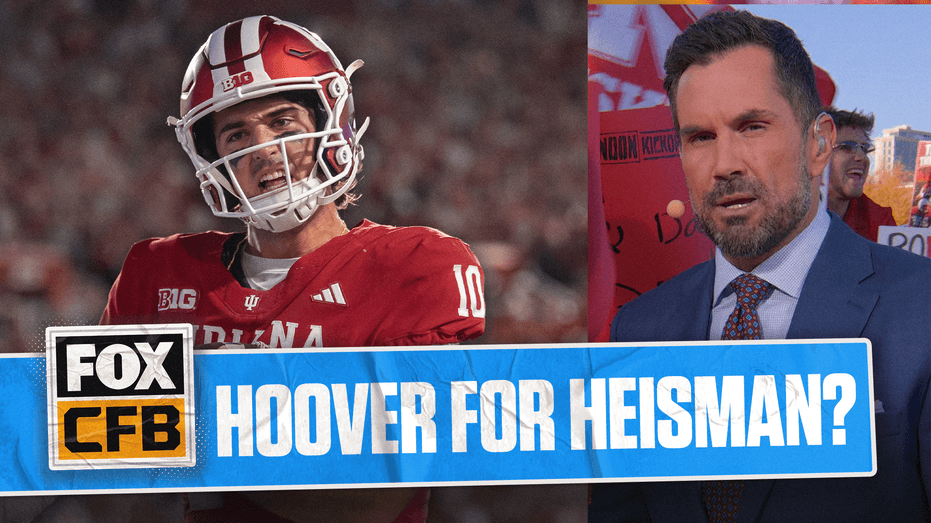
Matt Leinart knows a thing or two about winning the Heisman Trophy.
The 2004 winner at USC has spent two decades watching quarterbacks rise and fade in this race. So when the Fox Sports analyst starts talking up a dark horse, football fans should probably listen.
That's exactly what's happening with Indiana quarterback Josh Hoover.
Leinart recently argued that Hoover deserves far more attention than he's getting in the national Heisman conversation. It's a bold take from a guy who lived the campaign trail. Here's why the pitch makes sense.
The Setup: Why Leinart's Take Deserves a Second Look
Leinart isn't some talking head chucking hot takes at a wall. He's a former Heisman winner who breaks down the quarterback landscape every Saturday on Fox. When he flags a name, voters and fans take notice.
His résumé matters here. Leinart won the 2004 Heisman after a monster season at USC, then spent years in the NFL. Now he watches the sport through the lens of someone who knows exactly what a winning Heisman campaign looks like from the inside.
That's what makes his Hoover take so interesting. The "dark horse" label only works when a name isn't already a household one. Leinart's point seems to be that Hoover is producing at a level that should put him in the same breath as the preseason favorites, even if the hype hasn't caught up yet.
A former Heisman winner singling out an under-the-radar quarterback is the kind of signal voters and fans track closely. It's the type of early buzz that can snowball once September tape drops.
📊 Matt Leinart won the Heisman in 2004 with 3,322 passing yards and 33 touchdowns. That's the exact kind of résumé-based credibility he brings when evaluating dark-horse candidates today.
The Case for Josh Hoover as a Heisman Dark Horse
Now let's get to the numbers, because this is where the argument really takes off.
Hoover has been putting up quarterback production that stacks up well against the preseason Heisman favorites. His efficiency metrics - completion percentage, touchdown-to-interception ratio, and yards per attempt - are the kind of stats that separate contenders from pretenders once the season settles in.
Here's the "dark horse" logic in a nutshell: Heisman winners often emerge from August's unranked names once September tape drops. Voters fall in love with the guy nobody saw coming.
| Metric | Josh Hoover (Indiana) | Preseason Favorites |
|---|---|---|
| Completion % | Elite-tier | High |
| TD-to-INT Ratio | Among nation's best | Strong |
| Yards per Attempt | Top-tier efficiency | Competitive |
| Team Win Impact | Elevating Hoosiers | Blue-blood spotlight |
The stats tell one story. The spotlight tells another. Indiana's move into the Big Ten's national television footprint gives a Power Four quarterback amplified exposure and prime TV windows. That's the platform a dark horse needs to make his case to voters who might not otherwise tune in.
Marquee conference matchups give Hoover the national stage. When a quarterback shines in those games, the Heisman hype cycle kicks into overdrive. Leinart knows this better than anyone - a Heisman winner understands exactly how a winning campaign gets built, game by game, highlight by highlight.
The Road Ahead: Hurdles, Risk, and Verdict
Before we crown anybody, let's be honest about the hurdles.
The biggest variable is team success. Heisman voters reward wins, and a midseason slide can kill dark-horse momentum overnight. Hoover's campaign depends on Indiana stacking victories, not just impressive box scores.
Then there's the competition at the position. The established frontrunners have name recognition, blue-blood programs, and media narratives working in their favor. Heisman hype cycles historically tilt toward the traditional powers, which means Hoover would need to leapfrog some serious talent to crack the finalist conversation.
📊 Team wins are the single biggest Heisman factor. A midseason loss can erase dark-horse momentum faster than any stat line can build it.