The college sports world is bracing for a seismic shift. A federal court ruling, handed down late last week, has potentially redefined the boundaries of NCAA eligibility, placing Kansas Jayhawks athletes - and programs nationwide - in a state of high alert. With NIL reshaping the landscape, the transfer portal in constant flux, and the legal system evolving by the day, this decision could rewrite the rulebook for athletes chasing more time on the field, court, or diamond. Here's what it means for Kansas and why every fan should be locked in.
The Legal Earthquake: What Just Changed?
This isn't your average procedural tweak. This ruling cuts to the heart of how the NCAA governs its athletes. For decades, the association has operated with near-total autonomy over eligibility, granting waivers for medical hardships or unique circumstances on a case-by-case basis. That foundation is now under direct assault. The decision challenges rigid restrictions on how many seasons a player can compete, and the potential fallout is enormous.
The core of the argument stems from antitrust principles, building on the massive $2.78 billion House v. NCAA settlement that reshaped the financial landscape in 2024. The latest ruling suggests that limiting eligibility without a clear, pro-competitive justification could be viewed as an unlawful restraint of trade. For Kansas players who have lost seasons to injury, or those whose campaigns were disrupted by the transfer portal chaos of recent years, the door has just swung wide open. The strict "five-year clock" is now on shaky legal ground, offering immediate hope to those who felt their collegiate careers were prematurely cut off.
📊 Federal judges have now struck down NCAA eligibility restrictions in three separate rulings since 2024 - The cumulative effect has created the most athlete-friendly legal environment in college sports history.
The ruling specifically takes aim at the NCAA's waiver process, which traditionally required athletes to prove they lost two seasons due to injury or illness to earn a sixth year. Under this new interpretation, the burden shifts dramatically. Athletes who lost even one season to circumstances beyond their control - including the lingering effects of the COVID-19 pandemic - could now successfully petition for additional eligibility.
The Kansas Connection: Who Benefits Most?
For the University of Kansas, the impact is tangible, immediately affecting key positions in major sports.
A New Lease for Veteran Talent
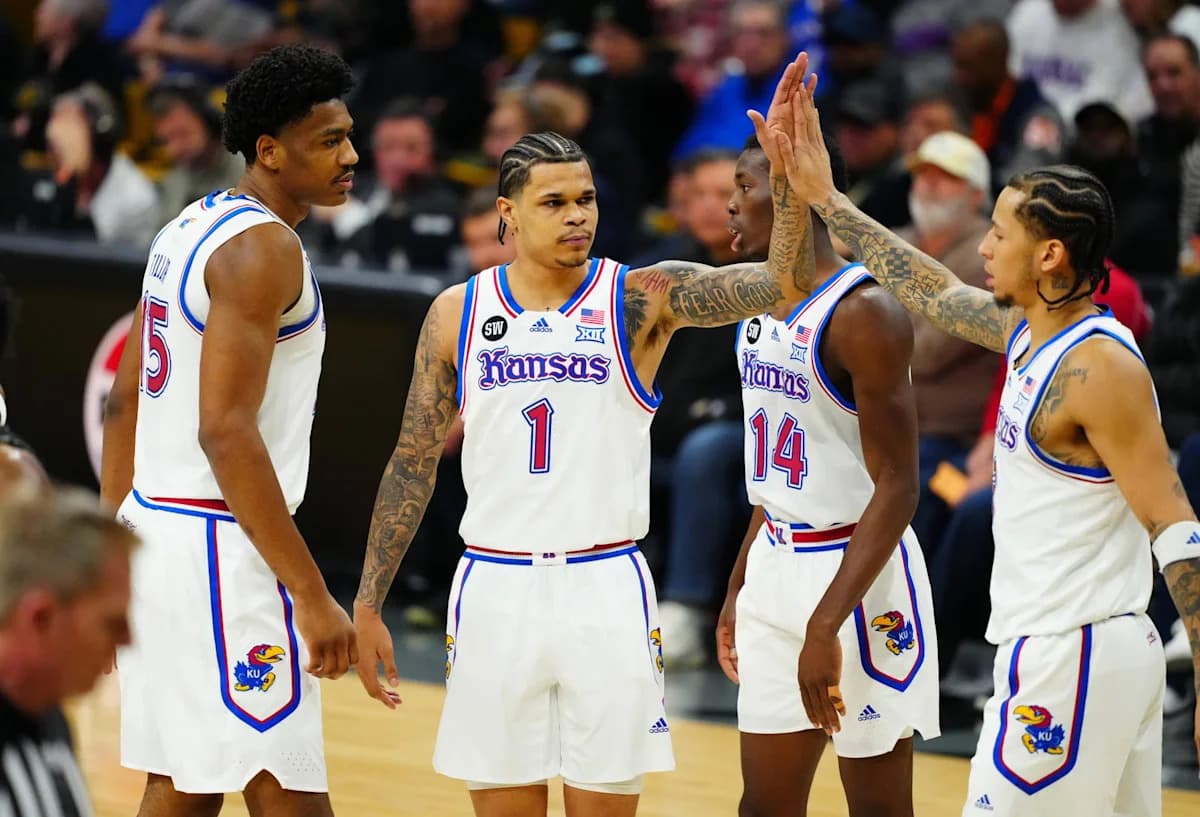
The most obvious beneficiaries are the seasoned players - the sixth-year seniors and graduate transfers who have been the backbone of head coach Bill Self's basketball program or Lance Leipold's football squad. Imagine a star running back or a lockdown cornerback who has battled injuries for multiple seasons. Under previous rules, they were out of eligibility. Under this new interpretation, they could petition for another year, bringing immediate veteran leadership and high-level production back to Lawrence.
The Offensive Line and Skill Positions
The ruling is a godsend for positions that rely heavily on physical development. Offensive linemen often need years to add bulk and master technique. A Kansas lineman who redshirted, played a COVID year, and then missed a season due to injury could now theoretically return for a seventh year, providing a massive, experienced anchor for the offensive line. This isn't just about getting older; it's about getting better. Players who were forced to watch from the sidelines now have a legal avenue to reclaim their spot in the huddle.
Table: Kansas Athletes Potentially Impacted by Eligibility Ruling
| Sport | Position Groups Most Affected | Estimated Players Eligible |
|---|---|---|
| Football | Offensive Line, Defensive Backs, Running Backs | 8-12 |
| Men's Basketball | Guards, Stretch Forwards | 3-5 |
| Women's Basketball | Guards, Post Players | 2-4 |
| Baseball | Pitchers, Catchers | 5-7 |
Strategic Fallout and the Road Ahead
This is where the ruling gets messy, and where fan emotions run high. The immediate reaction from athletic directors and coaches is a mix of excitement and logistical dread.
Roster Management Nightmare
For Kansas Athletic Director Travis Goff, the ruling creates a massive roster management puzzle. Scholarship limits are still in place, but the number of eligible players is now fluid. Do you save a scholarship for a returning veteran or use it on a four-star high school recruit? The financial implications are enormous. Programs must now evaluate talent not just on potential, but on the timeline of availability. The transfer portal becomes even more chaotic, as players who were expected to leave might now stay, clogging up the pipeline for incoming freshmen.