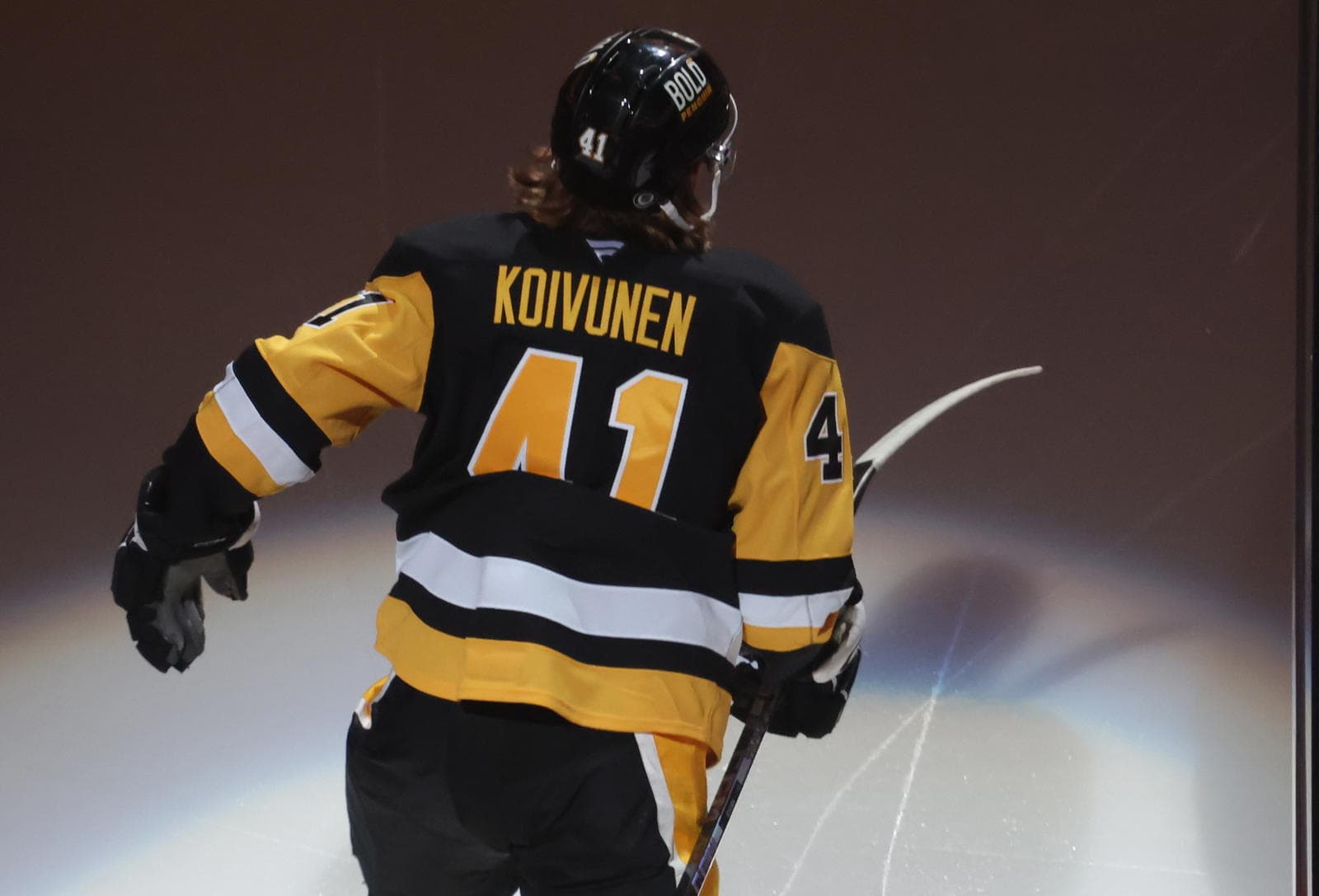
The Pittsburgh Penguins made a quiet but significant splash on August 4, 2026, inking Finnish forward Ville Koivunen to a two-year, one-way deal worth $1.65 million AAV. On the latest Pucks N’at Podcast episode (August 6), the hosts fired up the debate: does this contract crack open the door for every young European prospect in the system, or is it just a calculated gamble by Kyle Dubas? With zero NHL games on Koivunen’s resume, handing out an above-entry-level, one-way pact is a first for the franchise since the lockout. Let’s break down why this matters, what it costs, and whether it changes the game for guys like Tristan Broz and Emil Bemström.
Breaking Down the Dollars and the Risk
The Numbers That Raised Eyebrows
Koivunen’s deal is structured as a flat $825,000 per season - a one-way NHL salary that guarantees him the full amount whether he’s in Pittsburgh or riding buses in Wilkes-Barre. For a player who posted 17 goals and 29 assists (46 points) in 68 AHL games last year, the production is legit. But the contract structure? That’s the twist. The Penguins have routinely used two-way deals to incentivize young players to earn their spot. This flips the script: the team is paying NHL money before Koivunen proves he can hang at the top level.
📊 $1.65M AAV for zero NHL games - The Penguins just made Koivunen the highest-paid unproven prospect on their roster, a franchise first since the lockout.
Cap Space and the Waiver Waiver
As of August 9, Pittsburgh sits at roughly $1.2 million in projected cap space for 2026-27. The Koivunen contract doesn’t force a waiver move - he’s exempt - but the one-way structure means if he starts in the AHL, the Penguins eat the full cap hit. That’s $825K in dead space that could’ve been a deadline weapon or a rental pickup. The hosts on the pod pointed out that this is less about today’s roster and more about signaling trust. Dubas is betting on the kid’s trajectory, not his current fit.
| Player | Team | AAV | NHL Games Before Deal | Structure |
|---|---|---|---|---|
| Ville Koivunen | Penguins | $825K | 0 | 2-Year One-Way |
| Matt Coronato | Flames | $850K | 12 | 2-Year One-Way |
| Shane Wright | Kraken | $863K | 8 | 3-Year One-Way |
The Agent Factor
Here’s the behind-the-scenes rub: Koivunen’s agent, Mark Gandler, pushed hard for the one-way clause. He pointed to comparable deals for Matt Coronato in Calgary and Shane Wright in Seattle - young players who got guaranteed money before proving themselves. The podcast guys made this clear: Gandler knew the Penguins had zero leverage. With Koivunen coming off a rookie-leading assist campaign, the risk of a bridge contract standoff was real. Dubas chose certainty over a potential holdout. But at what cost to precedent?
What This Means for the Pipeline Pecking Order
The Broz and Bemström Conundrum
The elephant in the room is the message this sends to the next wave. Tristan Broz and Emil Bemström are both knocking on the NHL door, and their agents will absolutely use the Koivunen deal as a comp. Why should Broz sign a traditional two-way entry deal when Koivunen just scored a one-way pact with zero NHL games? The podcast hosts argued this could spark a domino effect - every top prospect’s camp will now demand a similar guarantee. The Penguins’ development model of “earn it, then get paid” suddenly looks outdated.
Dubas’s Targeted Risk vs. Blanket Precedent
The key takeaway from the episode: this is not a full precedent, but a targeted risk. Dubas structured this to avoid a bridge contract dispute with a player who has momentum. It also preserves trade flexibility - if Koivunen flashes at camp, he becomes a movable asset with a friendly cap hit for a contender. But if he regresses, the Penguins are stuck paying AHL money for an NHL salary. The hosts stressed that this works only if it’s an isolated case, not a template. One bad deal can spiral; three or four would destroy the team’s cap architecture.