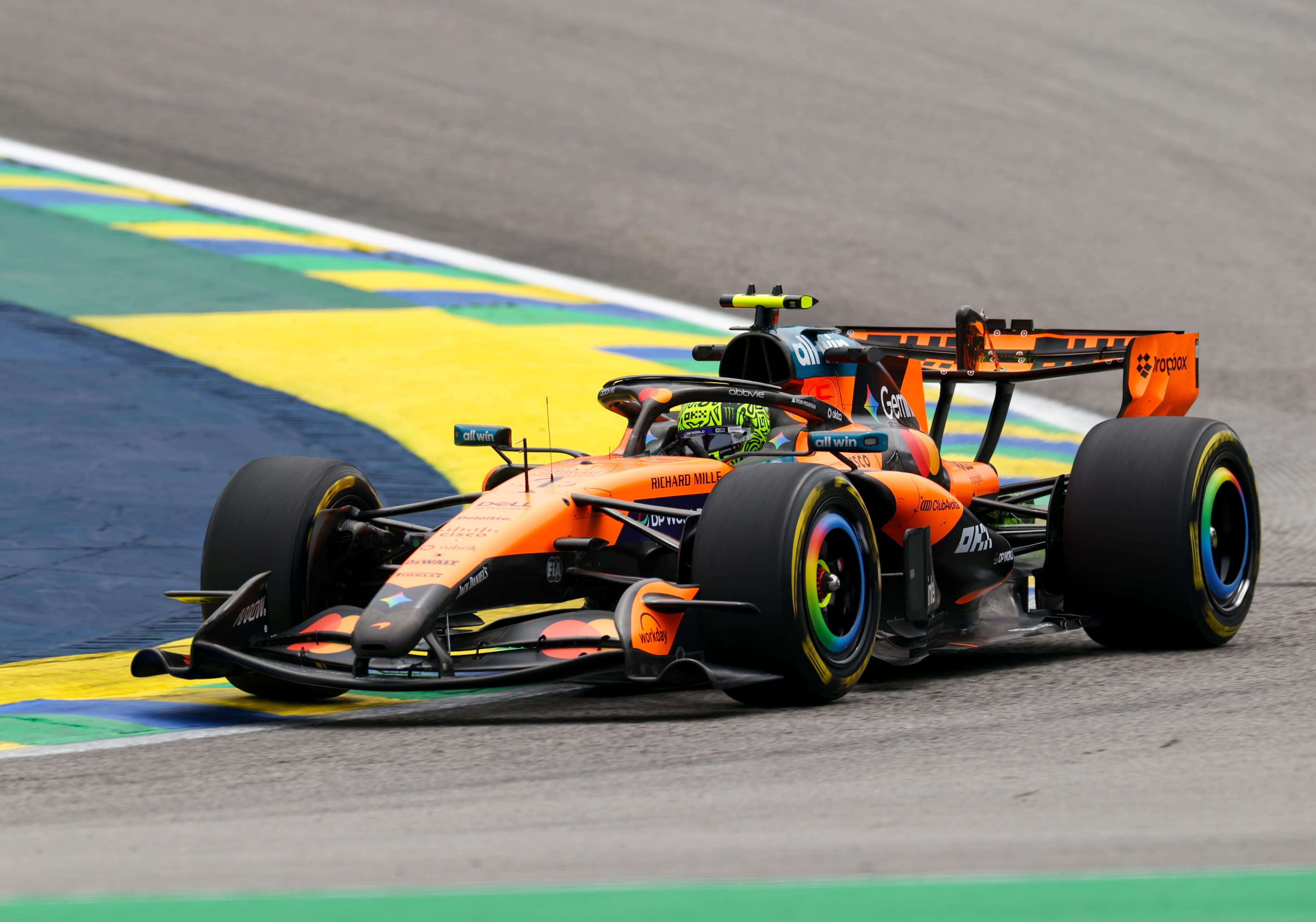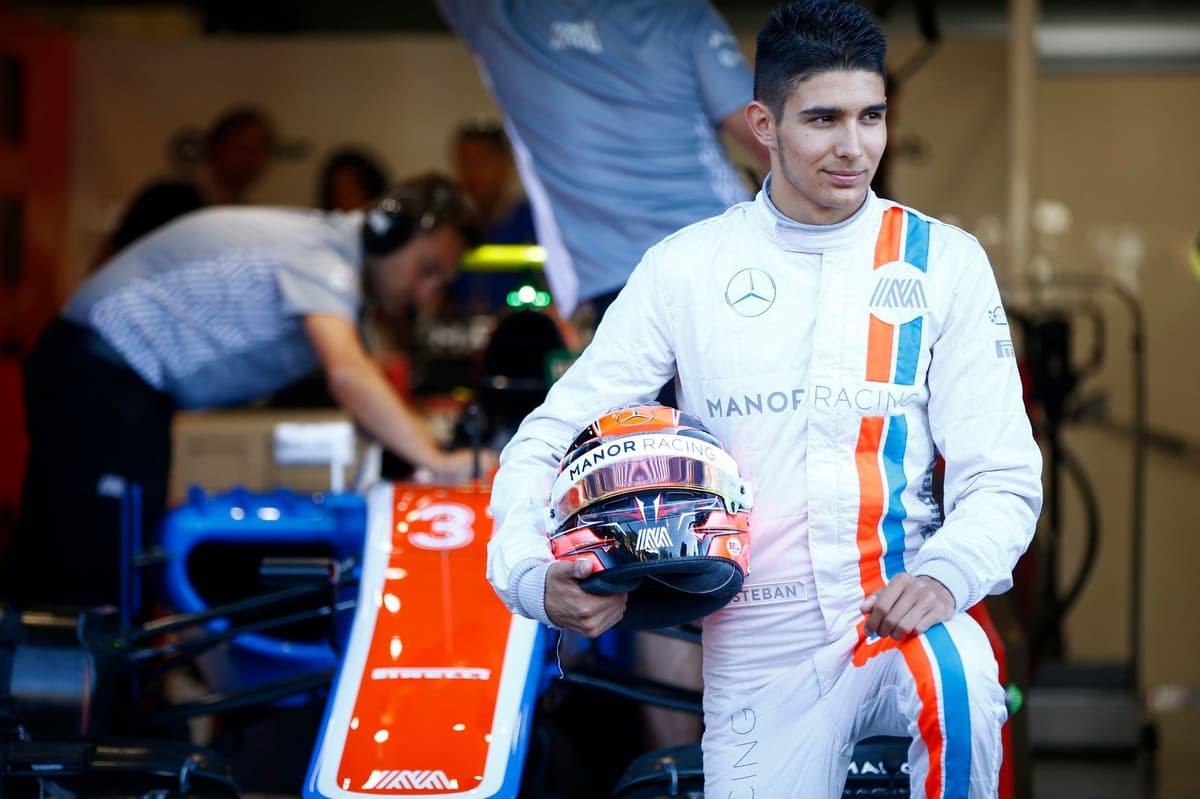
The paddock has a new favourite argument, and it has nothing to do with who's fastest on track. When Charles Leclerc leaps to Albon's defence as F1 drivers reject Alonso's verdict on midfield careers, the sport's oldest debate - talent versus machinery - goes mainstream. Fernando Alonso's blunt take that drivers stuck in slower cars risk being "forgotten" has ignited a larger fight over how F1 measures greatness. Leclerc has planted himself firmly on the other side.
The Paddock Erupts: Leclerc Takes On Alonso
The spark came from Alonso's trademark candour. The two-time world champion suggested that a driver of Alex Albon's calibre risks fading from the conversation if he remains in midfield machinery too long - a jab that landed squarely on every driver outside the top four teams.
Leclerc's counterpunch was immediate and public. The Ferrari man rejected the verdict outright, arguing that car performance - not talent - is what limits Albon. The numbers back him up: Albon's standout 2023 form earned him a Williams re-signing that kept him with the team through 2025, and he delivered the results to justify it.
Why does a Ferrari driver weighing in on a Williams driver land so hard? Because it cuts to the heart of how fans and teams judge drivers. When Leclerc leaps to Albon's defence as F1 drivers reject Alonso's verdict, he's not just defending a rival - he's challenging the idea that the grid is a meritocracy.
Why Drivers Are Rejecting Alonso's Logic
The talent-versus-machinery split has become the talking point of the paddock's final stretch. Drivers are lining up behind Leclerc's read: the car, not the driver, decides the headline. A brilliant drive in a midfield car rarely survives the highlight reel when a front-runner wins by twenty seconds.
Albon's own response has been measured. Reputation, he argues, is built on beating your teammate and maximising the car you're given - a philosophy that has quietly made him one of the most respected operators on the grid. His teammate record tells the story better than any quote.
| Metric | Albon | Teammate (Sargeant) |
|---|---|---|
| Qualifying head-to-head | Dominant | - |
| Points contribution | Majority of team total | Minimal |
| Contract security | Re-signed through 2025 | - |
> 📊 Albon's 2023 form earned him a Williams deal running through 2025 - proof that beating your teammate in a midfield car can secure your future even without wins.
Fans are split. Is Alonso right, or is Leclerc? The social polls are running hot, and every answer seems to change by the hour.
The Real Story: Why Car Performance Decides Driver Legacies
The 2026 twist makes this more than a media spat. New power unit and chassis regulations have reshuffled the grid - some teams have vaulted up the order, others have slumped - and the fear of being "forgotten in midfield" is a live threat, not a hypothetical.
History lessons cut both ways. Midfield gems who broke through to front-running machinery rewrote their legacies overnight, while genuinely elite drivers who stayed too long in uncompetitive cars slid out of the conversation. That record proves Alonso's point half-right - and Leclerc's point fully right. Context matters as much as raw pace.
| Scenario | Outcome for Driver Legacy |
|---|---|
| Elite talent in top car | Championships, lasting fame |
| Elite talent in midfield car | Respected, under-rewarded |
| Midfield talent in top car | Breakout, reputation spike |
| Elite talent stuck too long | Risk of being "forgotten" |
> 📊 New 2026 power unit and chassis regulations have reshuffled the grid order - the context that makes midfield career fear a live story, not a hypothetical one.
The Williams factor remains the case study. For Albon, a step up would mean everything: a front-running seat could turn a respected midfield operator into a championship contender. Leclerc knows exactly what that seat can do for a career.