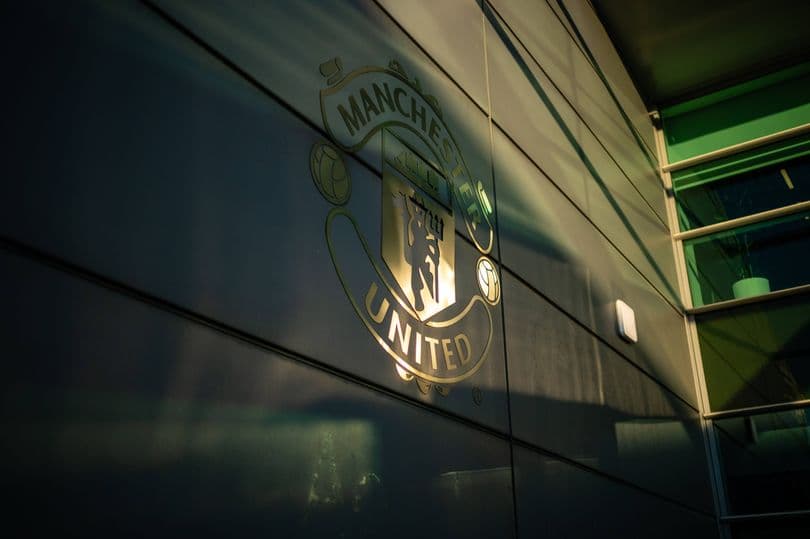
Manchester United's push for a world-class training base has slammed into an obstacle nobody at Old Trafford saw coming: bats.
Not a transfer saga. Not a fixture pile-up. Not another injury crisis. Bats. Reports as of November 18, 2026 suggest a complaint has been lodged that could throw the club's training facility upgrades into planning limbo - and suddenly United's off-pitch rebuild faces a battle nobody game-planned for.
Here's the honest state of play, no dressing up: this story is still developing. Key details - who filed the complaint, exactly when, and which protected species sits at the centre of it - remain unverified in the public domain as of today. What we do know is the framework. Under UK law, bats and their roosts receive strict protection. Any construction project that touches them triggers mandatory ecological surveys, seasonal restrictions on works, and mitigation requirements. In plain terms: a colony of bats can legally stop the diggers.
For a club chasing elite facilities, that means delays, added costs, and a reputational headache United simply don't need. The Red Devils want headlines about recovery pools and academy pitches, not planning wrangles with wildlife. Stay tuned - this one's moving fast.
What the Upgrades Were Meant to Deliver - and What's Now at Risk
The ambition behind Manchester United's training facility upgrades is straightforward: give the first team and the academy the elite infrastructure their rivals already boast. Upgraded pitches. Expanded recovery and medical facilities. Modernised academy infrastructure. The kind of investment that pays back over a decade.
| Area of Upgrade | What's at Risk if Delayed |
|---|---|
| First-team pitches | Pre-season and in-season training disruption |
| Recovery & medical facilities | Slower player turnaround, competitive disadvantage |
| Academy infrastructure | Recruitment and development pipeline setbacks |
Now add bats to the equation. Any bat-related hold on a UK construction project typically means a full ecological survey - and those surveys are seasonal. Activity surveys generally need to run through spring and summer, when bats are active. Miss the window, and decisions can slip by months, not weeks.
> 📊 Seasonal survey windows can push planning decisions back by months - timing, not just legality, is the real risk to United's timeline.
That's mitigation costs, revised phasing for the first team and academy, and a project clock that keeps ticking. No confirmed figures yet - and we won't invent them - but the practical fallout is obvious to anyone who's watched a UK planning saga unfold.
The Precedent: Bats Have Stopped Big Projects Before
This isn't a novelty story. Protected bat populations have forced redesigns and delays across UK construction and sport before - from housing developments to major infrastructure - with developers routinely required to build bat boxes, relocate roosts, and restrict lighting and tree-felling. The precedent is clear: when bats are in the picture, the schedule bends to them, not the other way round. That's exactly why Manchester United's training facility upgrades could be blocked by BATS following complaint - and why planners take it seriously. Authorities like the UK's statutory nature conservation bodies set out the licensing rules, and the Chartered Institute of Ecology and Environmental Management maintains the survey standards developers must follow.
The Road Ahead: Negotiation, Mitigation, or a Long Fight
So what happens next? Three plausible paths. First, negotiation - an agreed mitigation plan with bat boxes, roost relocation, and lighting and tree-felling restrictions baked into the works. That's the smoothest route, and the one developers usually chase. Second, a revised planning application that reshapes the scheme around ecological constraints. Third, a protracted dispute that drags the whole project into slow motion.
> 📊 Bats are legally protected in the UK, and their roosts cannot be disturbed without a licence - meaning the club can't simply build around them without formal sign-off.
Fans should watch for three markers: any public club statement addressing the complaint, the relevant planning authority's response, and the scheduling of ecological surveys. Whoever moves first on surveys controls the timeline. The next few weeks will tell us whether this is a speed bump or a season-killer.
Here's the kicker. Manchester United have fought off plenty of opponents on the pitch. But a colony of bats doesn't care about history, revenue, or a packed Old Trafford. Right now, a few hundred grams of protected wildlife could prove a bigger obstacle to the club's future than any fixture list. Watch this space.
Editor's note: Complainant identity, the specific species cited, and full planning details remain unverified as of November 18, 2026, and will be updated as primary sources are confirmed.