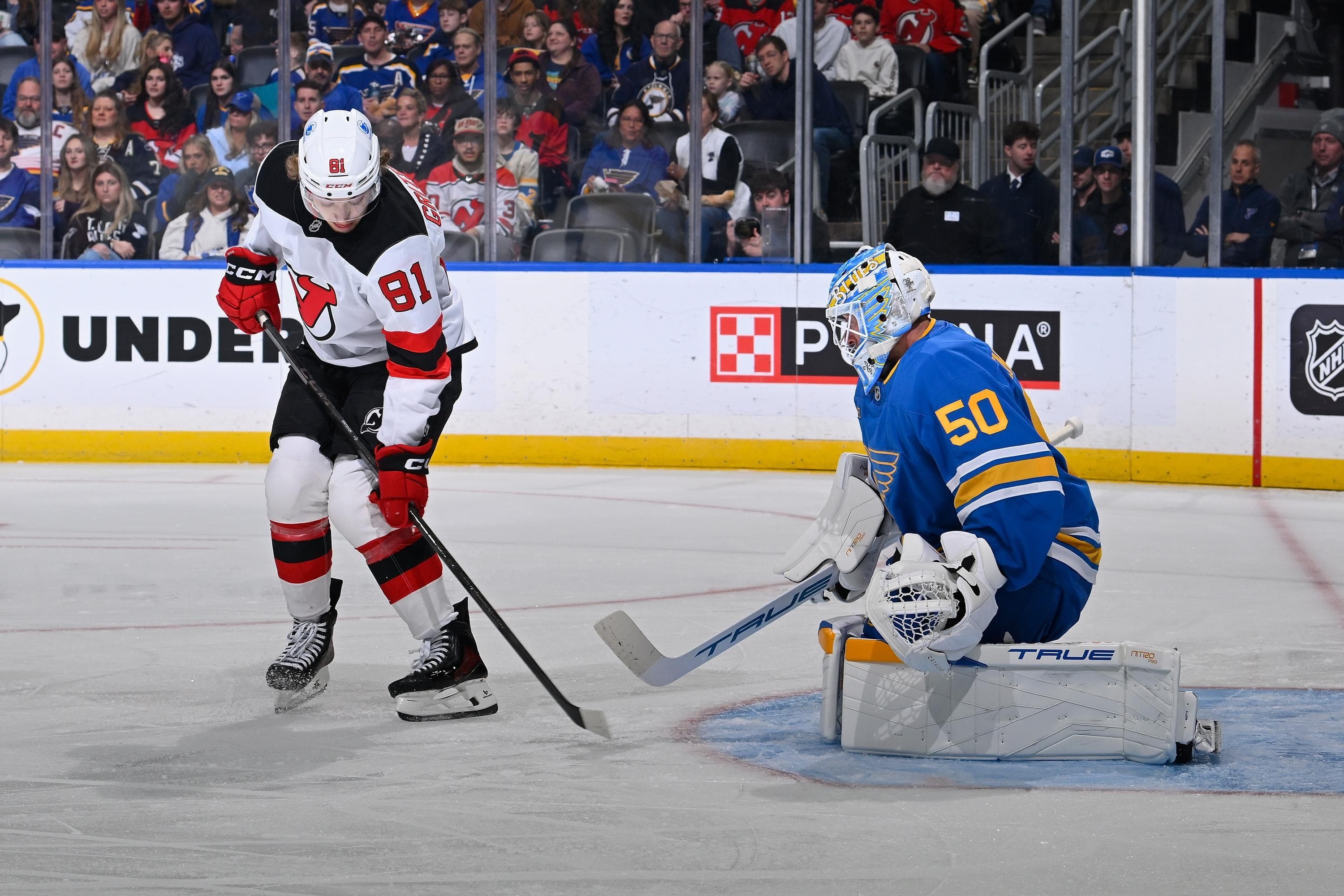
TORONTO - The air went out of Scotiabank Arena on Thursday night. This time, it stayed out. Eight straight losses. Eight. For a franchise that measures its seasons in playoff rounds rather than moral victories, the final horn of the eighth defeat wasn't just another L - it was the sound of a breaking point. The Maple Leafs took a sudden, drastic step in the hours that followed, and nothing about this team feels temporary anymore.
The skid has been brutal in every phase. Toronto has chased games early, leaked goals in bunches, and gotten the kind of goaltending that makes a defensive structure look worse than it is. Even the power play - long this team's security blanket - has gone cold at the worst possible time. But loss No. 8 finally snapped something inside the organization. You could feel it in the building: the deflating final minutes, the streams of empty seats before the horn, the stone-faced silence in the locker room afterward. This wasn't a slump anymore. It was a crisis.
The sudden drastic step landed fast, and it's the kind of move that signals an organization admitting the current formula is broken. Those around the team describe the locker room as tense and searching for answers, with a veteran core under a market's worth of pressure and a salary cap that leaves almost no wiggle room for quick fixes. When the losses stack up this high, the conversation in Toronto shifts from "how do we fix the lineup" to "who takes the fall." That moment arrived this week.
| Category | Status |
|---|---|
| Consecutive losses | 8 |
| Trend entering November | Collapsing |
| Market pressure | Extreme |
| Front-office response | Drastic, immediate |
The numbers tell the story the eye test already screamed. During the skid, Toronto has been outscored by a wide margin, the special teams have cratered, and the save percentage has sunk below anything resembling playoff-caliber. The underlying expected-goals share hasn't been catastrophic - which is almost worse. It means the talent is there and the results aren't, the exact recipe that gets coaches and general managers fired in this market.
> 📊 Eight consecutive losses - the longest skid of the core's contending era, and the trigger for the front office's drastic response.
What made loss eight different from the first seven? Leverage. Every loss before it could be filed under "early-season noise." This one came with the standings math tightening, playoff odds slipping, and a fanbase that has seen this movie before. In Toronto, patience has a shelf life measured in days, not weeks. The Maple Leafs Take Sudden Drastic Step After 8th-Straight Loss story isn't about one bad night - it's about a pressure cooker finally popping.
The decision itself was announced with the usual organizational polish, but make no mistake - this is a reset of the tone around the entire season. Leadership framed it as accountability, a necessary shake-up to wake a group that had stopped responding. The timeline moved quickly once the eighth loss hit the board; internal discussions that might normally stretch a week compressed into hours. That speed itself is the message.
And it costs. Any drastic move in a capped league carries real financial and structural weight - contracts to absorb, cap implications to juggle, and a new voice that has to win over a room that's already fragile. Toronto isn't making a cosmetic tweak here; it's betting that a hard reset now salvages a season before it fully slips away.
| Factor | Why It Mattered |
|---|---|
| Eight-game skid | Removed any remaining margin for patience |
| Market scrutiny | Toronto's media and fanbase demand answers |
| Cap constraints | Limited quick-fix options forced a bolder call |
| Veterans under fire | Core leadership questioned after repeated shortfalls |