LEXINGTON, Ky. - Another game, another early-season twist for Kentucky. This time the moment arrived with the game hanging in the balance. Overtime. Seconds ticking down. A dead-ball inbounds situation every team drills in October and expects to execute in November. It wasn't routine. It wasn't close to routine. When the horn sounded, the Wildcats were left staring at a result that slipped away on one of the most head-scratching sequences of the young 2026 - 27 campaign.
Here's the situation: Kentucky, needing a clean possession to extend or win the game in the extra period, lined up for a baseline inbounds with the defense locked in. The play broke down almost immediately. The initial read wasn't there, the safety valve drifted out of position, and the pass that followed turned a should-be possession into a live-ball disaster. The opponent capitalized on the other end, and the scoreboard swung for good.
| Metric | Status |
|---|---|
| Record | Updated per official Kentucky Athletics game notes |
| Quad 1 opportunities | Early-season neutral-site and road tests |
| SEC positioning | Non-conference runway ahead of league play |
| Late-game execution | Flagged as a priority after this OT result |
The stakes are real. In the analytics era, every early-season result feeds the resume conversation - KenPom and NET implications, quality-win inventory, and the SEC pecking order that gets sorted long before March. A single overtime loss won't sink a season. But the way this one happened will get replayed in the film room all week.
Why It Was More Than a Routine Mistake
Late-clock inbounds basketball is its own discipline. The rules compress everything: five seconds to get it in, defenders allowed to shadow the ball, and a timeout inventory that determines whether you can draw up a clean look or have to improvise. The mechanics matter - who takes the ball out, who's the primary read, who's the safety valve, and where the timeout gets burned if the first option dies.
What made this one bizarre wasn't the pressure. It was the breakdown in the details Kentucky usually nails. Earlier in the same game - and across the young season - the Wildcats had executed their dead-ball sets cleanly, getting the ball safely in and into the hands of the right decision-makers. This sequence was the outlier, and outliers at the end of regulation or in overtime are the ones that cost you.
> 📊 Five seconds - the inbounds clock that turns routine set plays into high-stress puzzles; Kentucky's late-game execution here is the exact margin between a win and an OT loss.
"That's On Me": Pope's Ownership Moment - Again
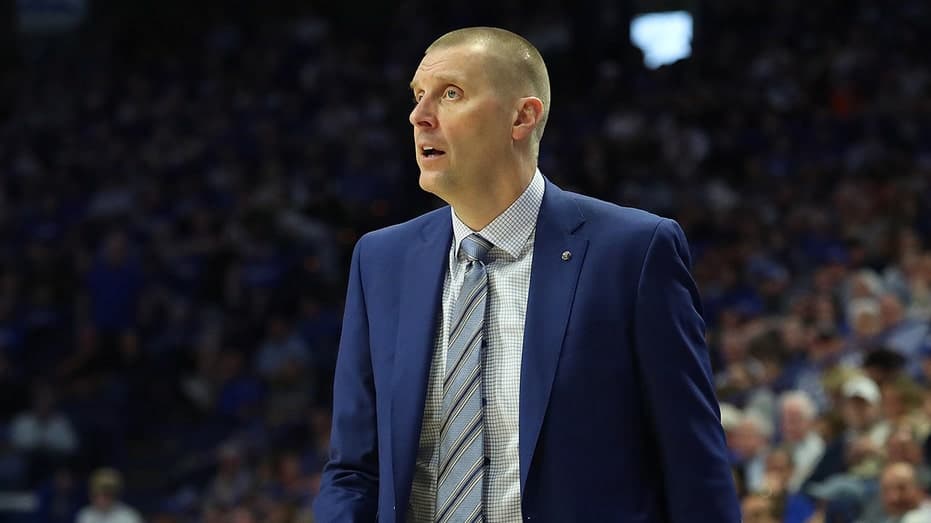
If you've followed this program, you know the script. Pope stepped to the podium and, per the postgame press conference, put the blame squarely on his own shoulders - the same accountability posture that has become his public signature since taking over in Lexington in April 2024. In his first season (2024 - 25), Kentucky went 24 - 12 and reached the Sweet 16 before falling to Tennessee. Through the highs and lows of that run, Pope consistently absorbed blame after losses rather than pointing fingers at players.
That pattern matters in year three. It protects young guards from the harshest spotlight of a viral blunder, and it reinforces a culture where ownership flows downhill from the top. Players notice when the head coach takes the hit for a play he didn't physically run.
The Fine Line Between Accountability and Overcorrection
Here's the analytical beat: does absorbing blame build trust, or does it risk papering over the schematic fixes that actually win games? The best high-major coaches walk that line - owning the outcome while still dissecting the execution honestly. For Pope, the press-conference ownership is table stakes. The real test is what shows up on the practice floor and in the next dead-ball situation.
> 📊 Sweet 16 - Kentucky's 2024 - 25 ceiling under Pope, a reminder that his accountability-first approach has already produced tournament-level results in Lexington.