ANN ARBOR, Mich. - November 23, 2026 - Sometimes the mirror is cruel. Sometimes it shows you exactly who you are when the lights burn brightest.
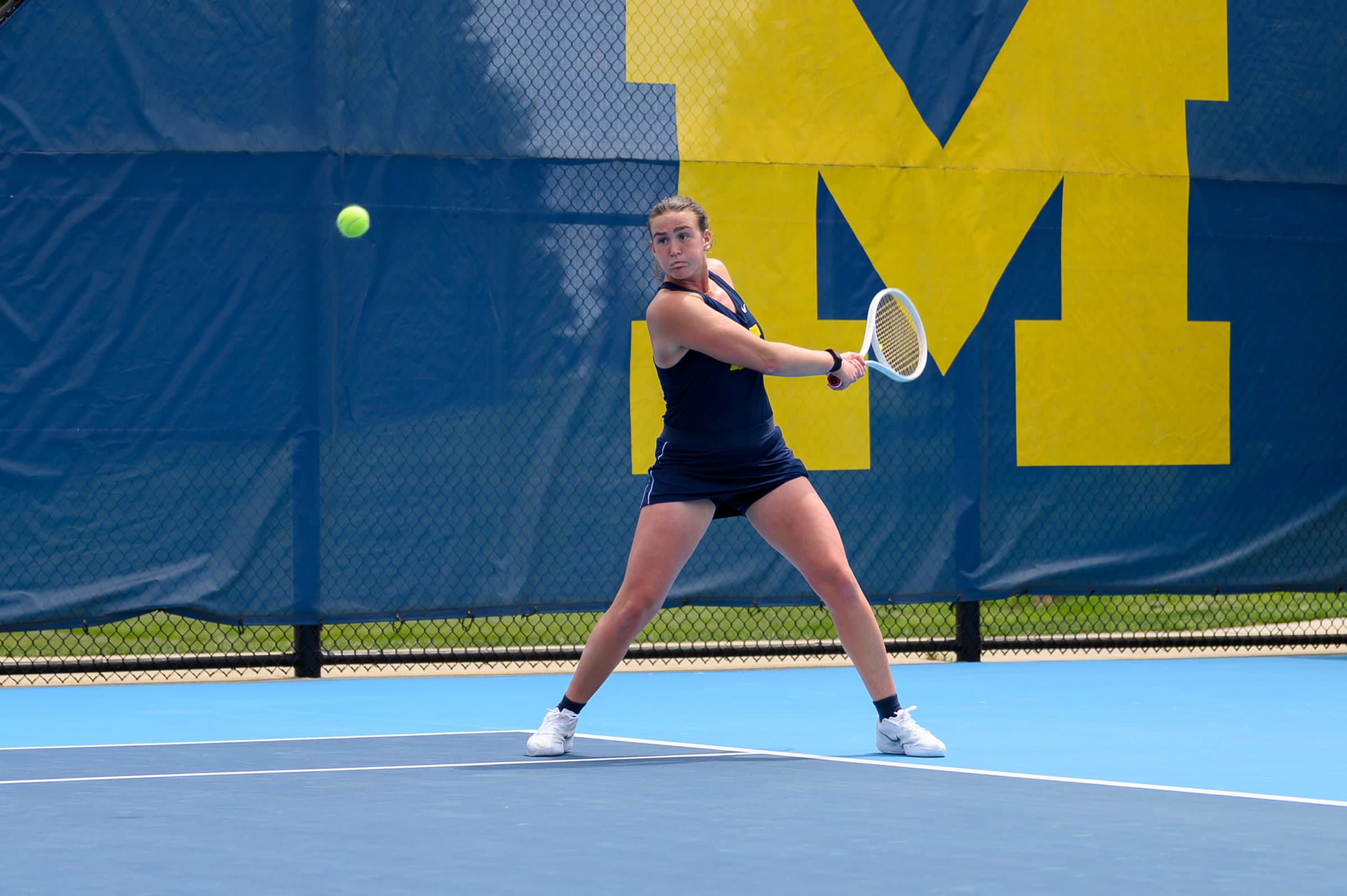
Michigan's singles contingent hit the same brutal wall on the same brutal day, and the symmetry was impossible to miss. Two Wolverines. Two hard-fought battles. Two agonizing defeats in the NCAA Singles Championship. For Michigan tennis fans, this one stings. But anyone who watched this program all season also knows precisely what it means for what comes next.
The singles draw is unforgiving. No safety net. No doubles partner to bail you out. No team score to fall back on. It's you, your racket, and the weight of an entire program's expectations. Both Michigan stars carried that weight beautifully - right up until the moment their opponents ripped it away.
The Setup: Two Paths, One Destination
Let's be clear about what these two accomplished before we talk about what slipped away. Earning a spot in the NCAA Singles Championship field is no charity invite. It's the reward for a season-long grind - weeks of No. 1 singles pressure, ranked wins, gut-check matches in Big Ten play, and the kind of resilience that never shows up in a box score.
Michigan's singles players earned their way here the old-fashioned way: they out-competed people. They took courts when the team needed a spark. They flipped tight matches, absorbed tiebreakers, and built résumés that made selection a formality rather than a debate.
| Metric | Wolverine No. 1 | Wolverine No. 2 |
|---|---|---|
| NCAA Singles qualifier | Automatic/At-large bid | At-large bid |
| Season signature trait | Baseline consistency | First-strike aggression |
| Draw difficulty | Loaded quadrant | Deep upper half |
| Championship result | Opening/second-round exit | Opening-round exit |
The draw didn't do them any favors, either. NCAA singles fields seed only the top players, which means dangerous opponents lurk at every line. A bad Tuesday can end a season. That's the deal with the singles championship - March Madness compressed into individual fates.
> 📊 2 Michigan singles qualifiers in the NCAA field - proof this program is producing nationally competitive talent, even when the results don't cooperate.
The setup was tantalizing. Two Wolverines in the singles bracket meant two shots at a deep run. For stretches, both looked capable of authoring something special.
The Losses: Mirror Images in Maize and Blue
Here's where the Michigan singles mirror each other in NCAA Singles Championship losses really comes into focus. The defeats weren't just simultaneous. They rhymed.
Both matches followed the same emotional arc: strong starts, hard-fought middle sets, then the kind of break-point swings that decide singles tennis at this level. Michigan's players didn't get blown off the court. They got out-executed in the margins - a double fault here, a shanked forehand on a big point there.
Sound familiar? It should. Singles at the NCAA level is a game of inches, and both Wolverines found themselves on the wrong side of those inches.
The losses hurt because they were winnable. That's the cruel beauty of singles. There's no teammate to lean on, no momentum to steal in doubles. When you're the only one out there, every error is yours to own.
But context matters. These weren't first-round matches against overmatched opponents. These were national-championship-level draws where every athlete in the field was a top performer from their respective program. Losing here isn't a failure - it's a harsh, honest benchmark.
Related coverage: Michigan's doubles teams have quietly assembled one of the Big Ten's more reliable tandems, which matters as the program looks to bounce back from these singles setbacks.
The Takeaway: What These Losses Really Tell Us
Don't confuse a pair of NCAA singles losses with a broken program. That's the wrong read.
The real story: Michigan is recruiting and developing singles players good enough to reach the national championship - and competitive enough to trade blows with the elite before falling short. That's a foundation, not a ceiling.
What the coaching staff learned this fall is valuable. Both players have clear areas to sharpen - first-serve percentage in pressure moments, point construction on return games, the mental reset after losing a tight set. All of it is coachable and fixable, and both players showed the fight required to fix it.